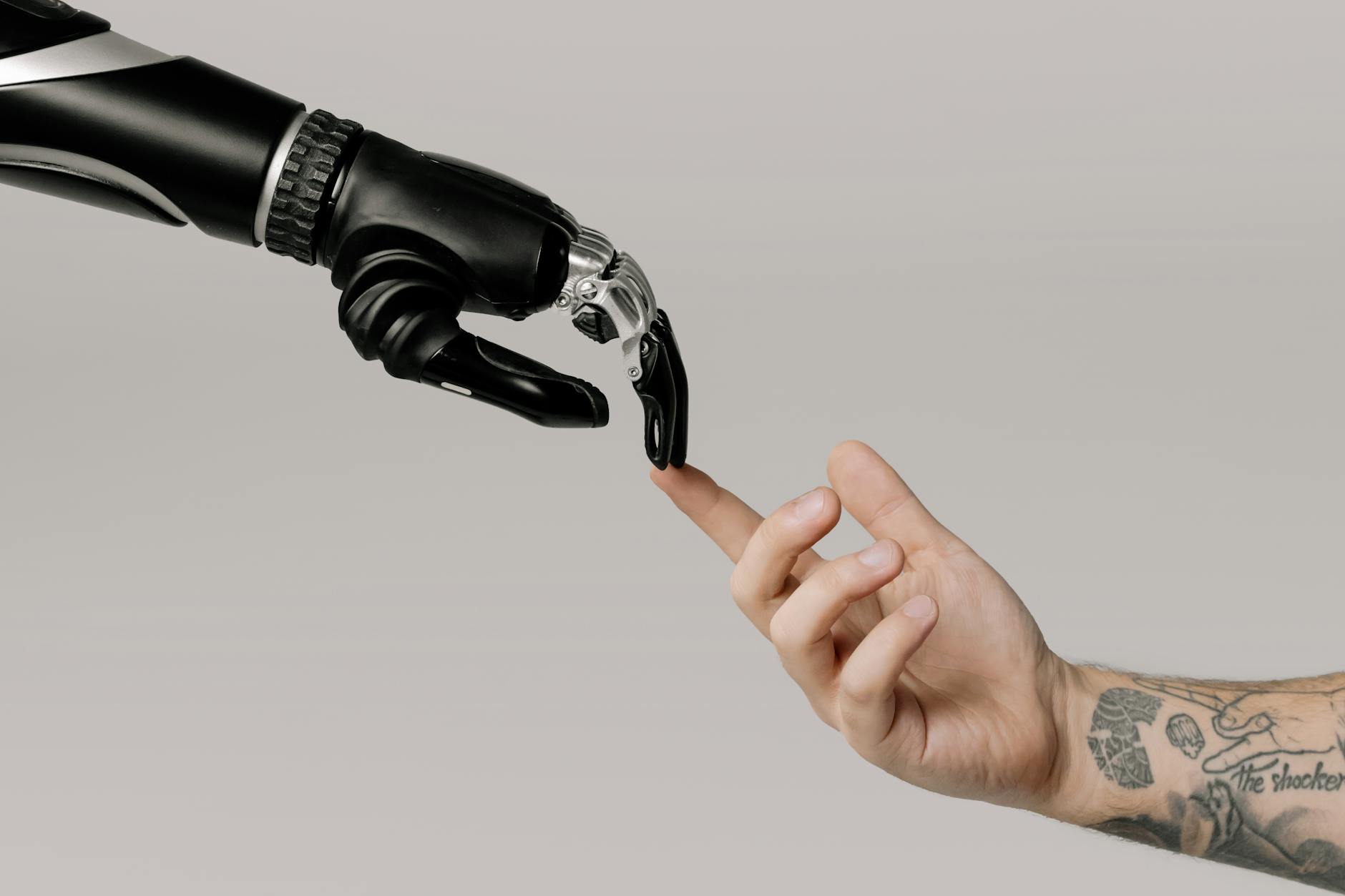
220 Million People Are Dating AI: A New Era of Companionship
The Rise of AI Companions
Reports indicate that approximately 220 million individuals in China are currently engaging with AI companions, reflecting a growing trend in the tech landscape. As loneliness and emotional distress become more prevalent in modern society, these AI entities are being leveraged as potential solutions for those seeking companionship or solace. Many users are turning to these virtual partners to fill emotional voids left by previous relationships or social isolation.
A Response to Loneliness
The increasing adoption of AI companions can be linked to broader societal shifts. As urbanization and the fast-paced lifestyle continue to reshape social interactions, many people find themselves isolated. AI companions, powered by advanced algorithms, allow users to simulate meaningful interactions without the complexities of traditional relationships. This trend raises critical questions: Are AI companions a temporary fix, or are they paving the way for a new form of socialization?
The Technology Behind AI Companions
The technology enabling these interactions is no small feat. AI companions utilize sophisticated natural language processing and machine learning algorithms to provide personalized responses, allowing users to engage in seemingly genuine conversations. However, the underlying research supporting these advancements is facing scrutiny. Notably, experts argue that resources should be redirected towards the foundational aspects of AI algorithms rather than merely enhancing application layers. This perspective echoes the sentiments of Chinese Academy of Sciences academician Zhou Zhihua, who has called for a more holistic approach to AI research.
Navigating Geopolitical Challenges
Amid these developments, the geopolitical context cannot be ignored. Trade policies and sanctions affecting technology exchange between China and Western nations could have implications for the evolution of AI and its applications. As China continues to invest heavily in AI, the question remains: how will international relations shape the future of this burgeoning field? The delicate balance between innovation and regulation will likely influence the trajectory of AI companions and their acceptance in global markets.
In summary, the phenomenon of AI companionship is not just a passing trend; it reflects deeper societal issues and technological advancements. As more individuals turn to AI for emotional support, the implications for both personal relationships and the broader tech ecosystem warrant careful examination.