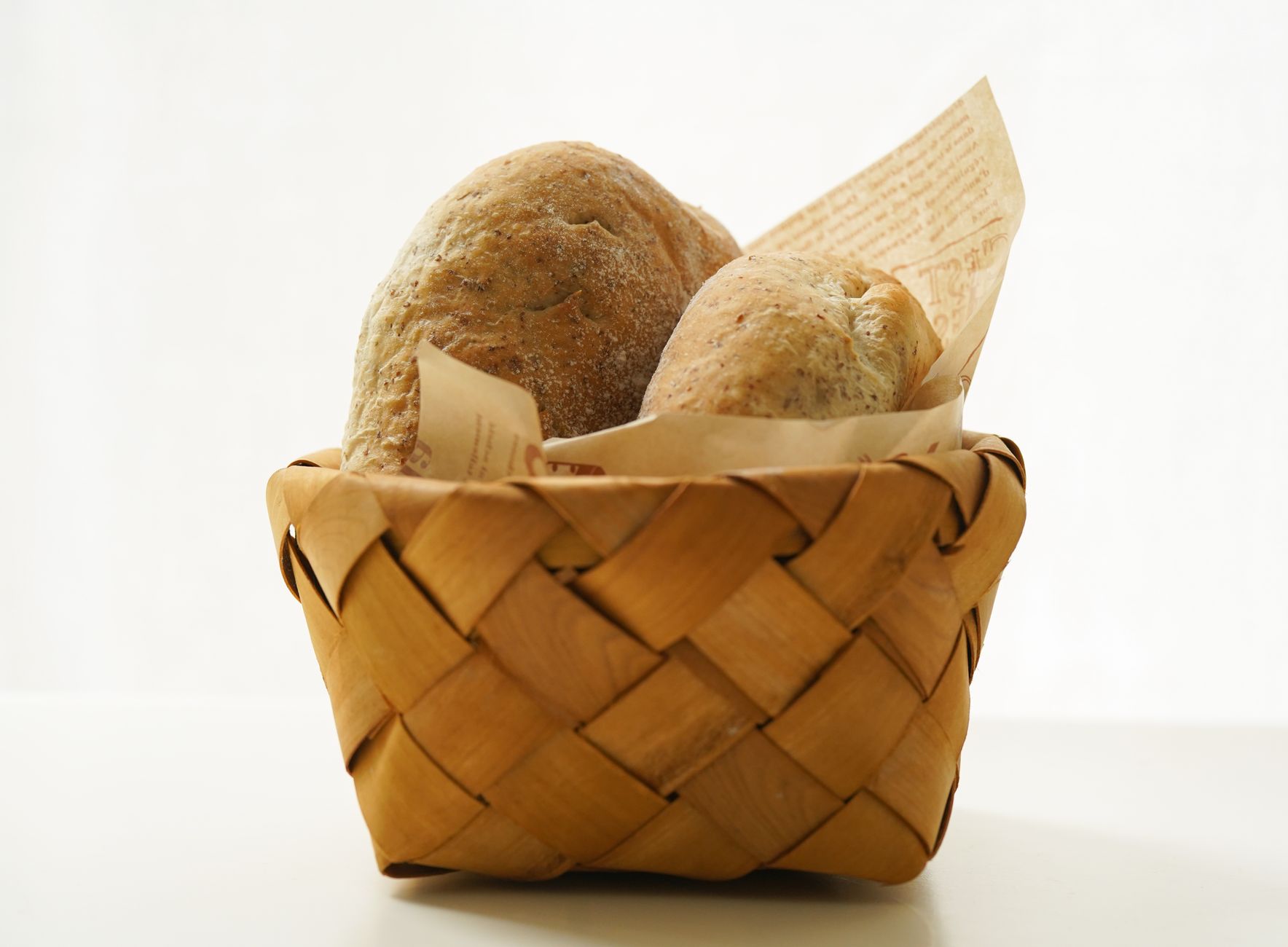
How can unsold bread waste be reduced?
The problem on the shelf
Unsold bread is a visible, persistent waste problem in China’s rapidly modernising food retail sector. Fresh-bakery items spoil quickly. Margins are thin. Consumers expect perpetual freshness. The result: significant volumes of edible product thrown away each day. It has been reported that smaller bakeries and supermarket outlets, squeezed by rent and labour costs, are particularly prone to overproduction.
Practical fixes being tried
Retailers and foodservice operators are experimenting with a toolkit of operational and tech fixes. Dynamic, last‑hour discounting — selling yesterday’s loaves at reduced prices — is common. Freezing and re‑baking extend shelf life. Unsold stock is being repurposed into secondary products such as breadcrumbs, animal feed or ingredients for in‑house dishes. It has been reported that some outlets are piloting app‑based clearance channels and closer demand forecasting to avoid overbaking in the first place. Donation to community kitchens is growing too, though food‑safety rules and logistics remain obstacles.
Why it matters beyond the bakery
This is not just an efficiency play. Reducing bread waste ties into China’s broader food‑security and sustainability goals launched under national anti‑waste campaigns. For Western readers: think of it as the intersection of grocery retailing, delivery platforms and public policy — where small operational fixes can scale into measurable carbon and food‑security gains. But challenges persist: consumer perceptions of discounted food, regulatory hurdles around donations, and the economics of converting waste into value. Can these pragmatic measures scale nationwide? The experiments underway suggest progress is possible, but scaling will require coordination between retailers, platforms and local regulators.