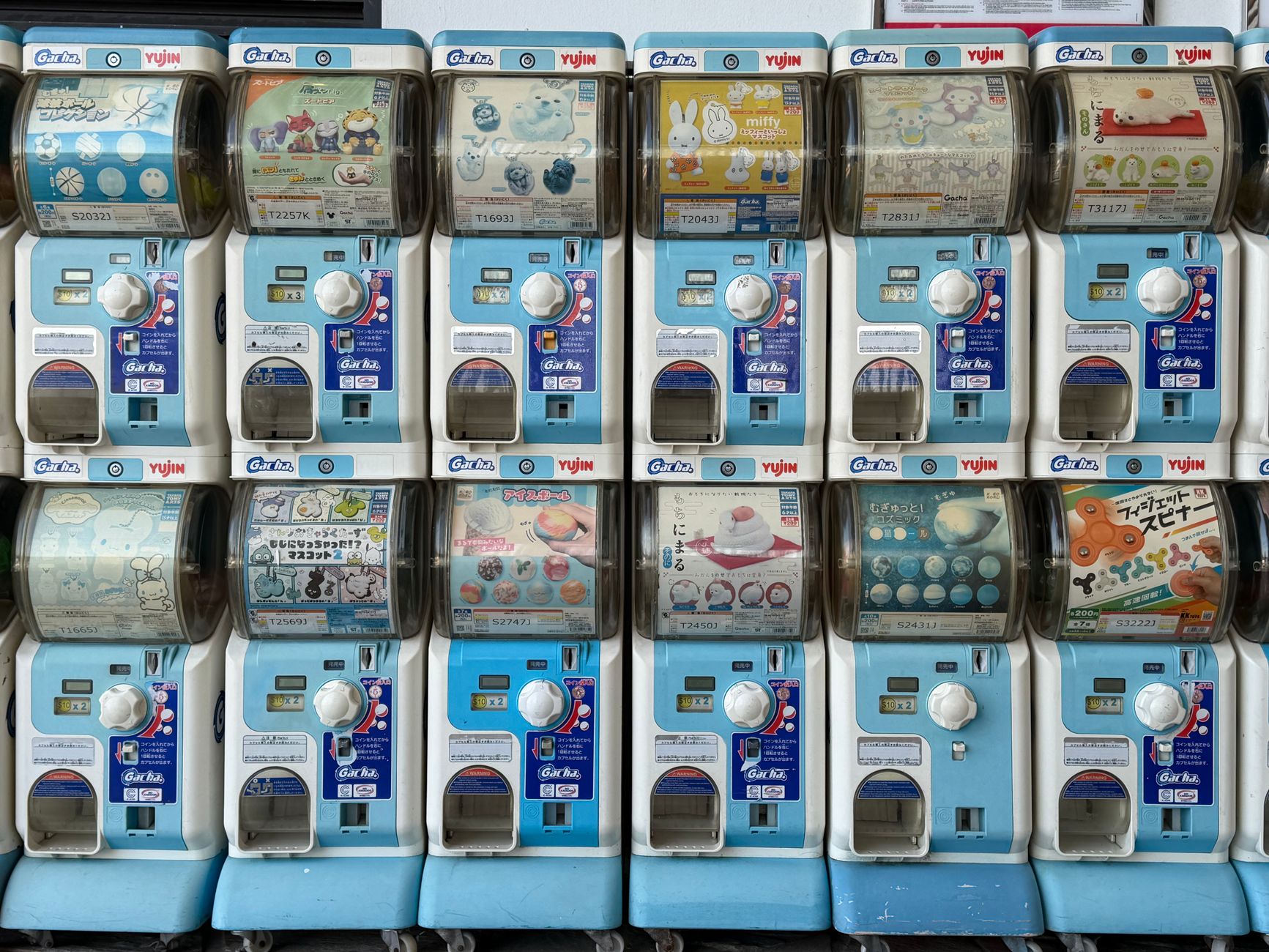
Holding 800,000 Units, the Shop Owner Can't Hold On Any Longer
Bubble bursts for gacha shops (谷店)
It has been reported that a gacha shop owner in China is now stuck with some 800,000 unsold units and can no longer keep the doors open. What was a gold rush just a few years ago has turned into an overstocked wasteland. Once-cash cows such as Pop Mart (泡泡玛特) and lifestyle chains like Miniso (名创优品) helped normalize blind-box collectibles, and investors and young entrepreneurs rushed in, believing student fandom and nostalgic IPs would sustain endless growth.
Why the model is failing
The business model depended on three fragile pillars: seasonal student spending, hot IP cycles and scarcity-driven secondary markets. It has been reported that a “Gacha Shop Map” found 2025 closures outpaced openings at roughly 2:1 in many cities, and about 14% of new stores failed within a year. Students—gacha’s core consumers—are cheap and fickle. Peak sales sync with holidays; once school resumes, traffic collapses. Meanwhile, oversupply, easy second‑hand trading and group-buying arbitrage erode in-store margins. Add licensing costs and supplier bundling demands, and small operators are squeezed from both ends.
Structural pressures and IP dynamics
IP used to be the rocket fuel. Big anime runs produced “sea‑view” boxes that fetched absurd second‑hand prices. But floods of repeat releases, faster domestic knockoffs and rapidly shifting tastes have deflated perceived value. It has been reported that some shop owners face non‑negotiable purchasing terms—buy hot boxes only if bundled with low‑demand SKUs—turning potential profit into loss. And when popular Japanese goods take months to arrive, the market often moves on before products land.
Fallout and what next
What does this mean for China’s niche retail scene? Expect consolidation, better inventory discipline, and a shift toward experiences rather than pure product turnover: instant gratification alone no longer pays rent. For Western observers, the gacha slump is a cautionary tale about how fandom‑driven consumer booms can be amplified — and then imploded — by overexpansion, secondary markets and brittle licensing economics. Reportedly, many shop owners will either pivot to diversified offerings or exit, leaving fewer, more curated stores to service a still‑passionate but smaller fanbase.