Li Auto (理想汽车) L9 Livis stuck between “stay‑at‑home dad” roots and an AI rewrite
Product pivot, muted payoff
Li Auto (理想汽车) launched its new‑generation L9 on May 15 aiming to shift its image from pragmatic family vehicle to technology‑led premium SUV. But the debut has landed with a thud. The company doubled down on AI and hardware credentials — touting the in‑house Mach M100 (马赫M100) chip, 2,560 TOPS compute and four lidar units — while the warm, “ice‑box and big sofa” family storytelling that made the original L9 a hit receded. The result? A car that looks like a bid for luxury and tech cachet, but feels short on consumer‑visible breakthroughs.
Market and investor reaction
Investors responded harshly. Li Auto’s shares plunged 14.15% on the first trading day after the launch and slipped further; in three sessions the stock was down nearly 20%. Citigroup (花旗) set a cautious sales outlook — roughly 5,000 L9s per month, with about 1,000 attributed to the Livis trim — and kept a neutral rating. It has been reported that early order flow shows some interest — 36Kr cited over 6,500 locks in 48 hours and retail‑channel math suggests total orders may have passed 10,000 — but those figures fall well short of the viral uptake the first L9 enjoyed in 2022.
Features vs. felt experience
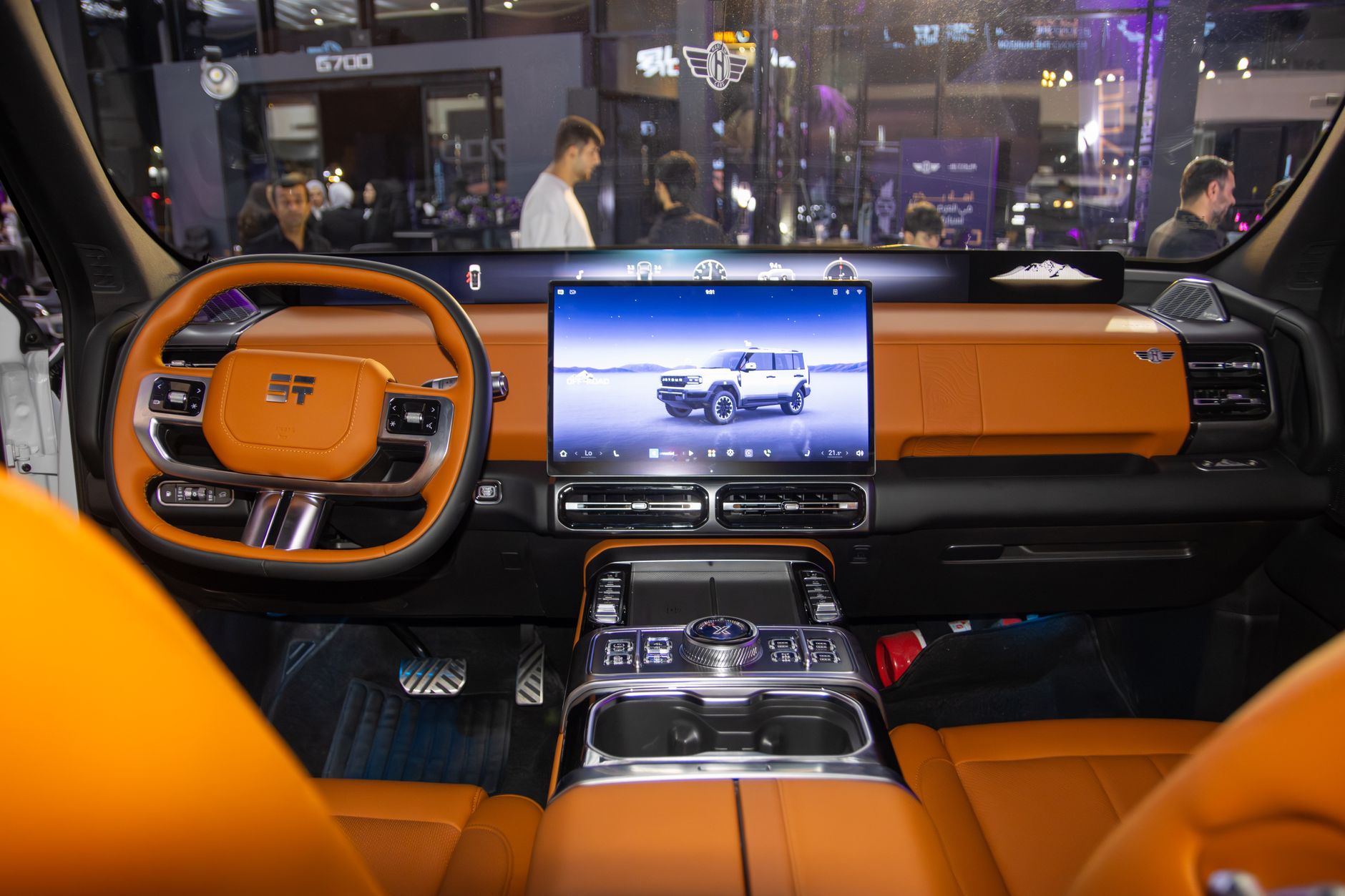
Li’s narrative centers on “embodied intelligence” and advanced hardware, yet many buyers say the new L9’s promises don’t translate into memorable everyday advantages. The most tangible demo is voice‑commandled parking from outside the car; beyond that, reviewers and owners find comfort and cargo space improvements marginal, and some headline elements — the wheel‑mounted mini screen — have been removed, angering loyalists. Critics even question hardware redundancy: is an array of lidars, a big chip and a full wire‑by‑wire chassis materially better for family use, or just a specs contest?
Strategic stakes and geopolitics
This launch is bigger than one model. Li Auto reported falling deliveries and a steep profit contraction last year, and management has publicly acknowledged it fell behind faster rivals. The L9 Livis is both a testbed for the company’s AI push and an attempt to migrate brand perception toward tech luxury. That bet is being made amid broader industry dynamics — Beijing’s push for chip self‑reliance and tightened Western export controls on advanced semiconductors have increased the urgency for Chinese automakers to develop domestic compute and sensing stacks. But for now, the market is asking: can tech narrative alone overcome a legacy image as the “stay‑at‑home‑dad” carmaker? The answer is still unclear.