The power dynamics of Mexico’s customs: Chinese firms (中企) are the first to feel the squeeze
Military control, a corruption scandal and a policy shock
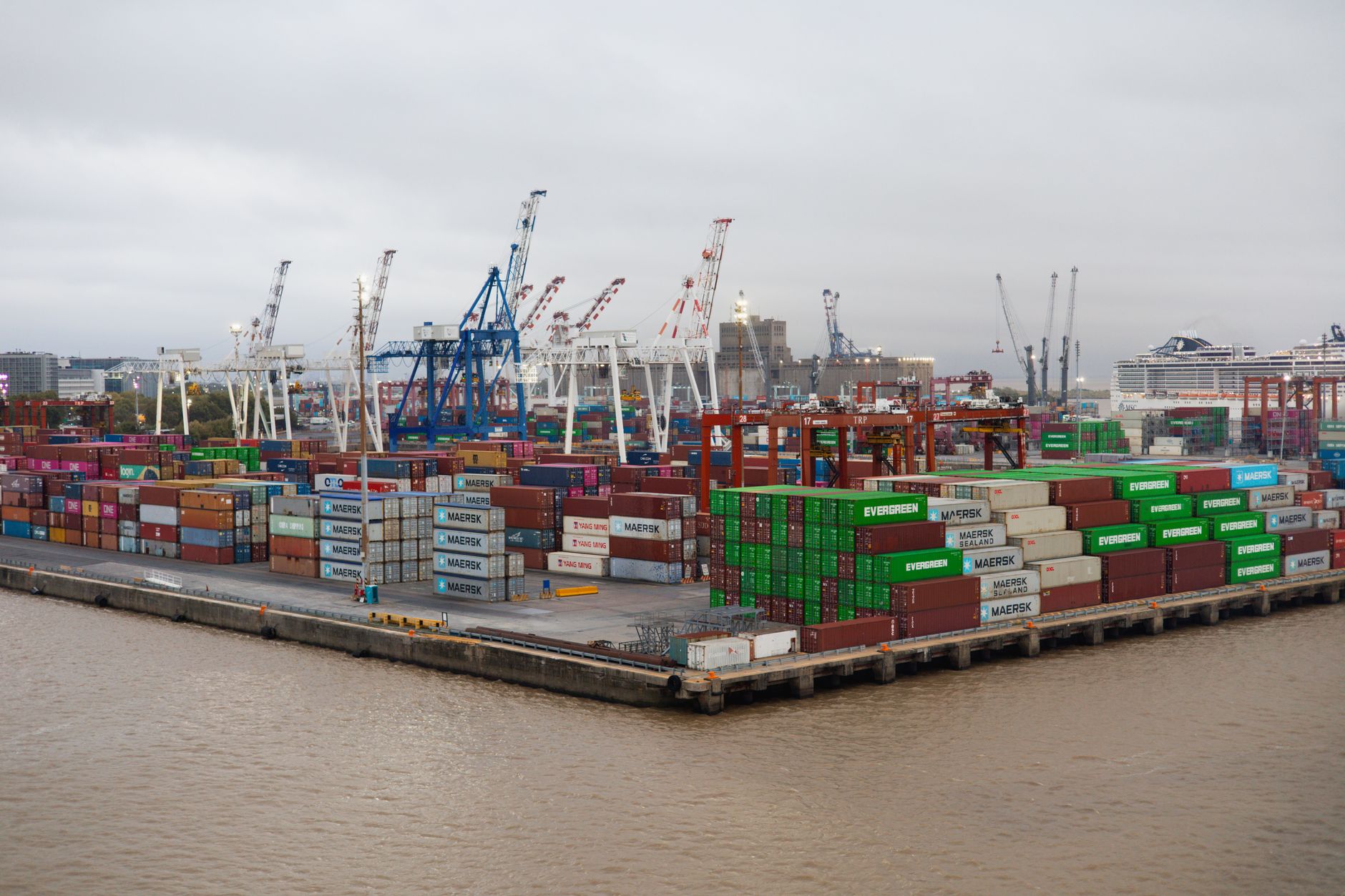
Mexico’s recent customs overhaul has a clear early casualty: Chinese firms (中企). It has been reported that a corruption scandal — one that implicated military involvement in port operations — prompted the government to strip control of many land and sea gateways from civil customs officials and to set up a separate National Customs Agency. The result is that the armed forces now sit on or control checkpoints, inspection timing and who can access terminals. President Sheinbaum (辛鲍姆) has reportedly said the military will remain in the customs and port system, leaving businesses to navigate a security-heavy, less predictable environment.
New rules, new liabilities, immediate bottlenecks
Regulatory changes are coming fast. Mexico moved from an old model where individual licensed customs brokers acted as a protected private class to a company-held licensing regime; at the same time a new Customs Council has been formed to centralize Finance, the tax authority, the National Customs Agency and anti‑corruption units. It has been reported that between 2024 and 2025 some 31 vessels called at Altamira and Tampico carrying diesel declared on paperwork as low‑tax “additives” or “lubricants,” and the alleged scheme cost the treasury about 1,771.7 billion pesos (roughly RMB 696 billion, or about $97 billion) in one year. The government has responded by imposing joint-and-several liability on brokers and raising penalties — fines of 250–300% of cargo value have been cited — even as customs staffing and daily inspection slots were trimmed, contributing to a sharp rise in abandoned or stuck containers at ports.
Why Chinese exporters are disproportionately exposed
Chinese exporters and intermediaries are particularly exposed because many lack Mexican legal presence and still rely on opaque practices: low‑value declarations, triangular trade, or “temporary import” regimes such as IMMEX meant for export processing. It has been reported that Mexican authorities found cases of steel imported via triangular trades, and audits showed large fractions of apparel and footwear imports declared below material cost. With inspections tightened and reference prices set (one footwear floor was cited at $22.58 per pair), goods declared far below benchmarks are being blocked and re‑priced or penalized. At the same time, Mexico faces a geopolitical squeeze: the 2026 USMCA review will put American eyes on whether Mexico is becoming a backdoor for Chinese goods into North America, so regulators are under pressure to show they are clamping down.
A strategic reset — who pays the price?
The policy mix looks aimed both at reining in a military-linked rent system and at breaking longstanding, relationship‑based brokerage networks by forcing company licensing and stronger documentation — in effect creating a designated scapegoat in customs brokers while tightening the entry choke points. For Chinese firms the options are stark: establish bona fide Mexican entities and upgrade compliance, pay higher clearing costs, or try riskier informal channels that are now the explicit targets of enforcement. The more consequential question is political: can Mexico curb corruption and reassure Washington without driving away investment and trade? For exporters and brokers that question is already a working reality at the dock.