When AI Becomes Your 'Colleague', Organizations Really Start to Change
AI as teammate, not just tool
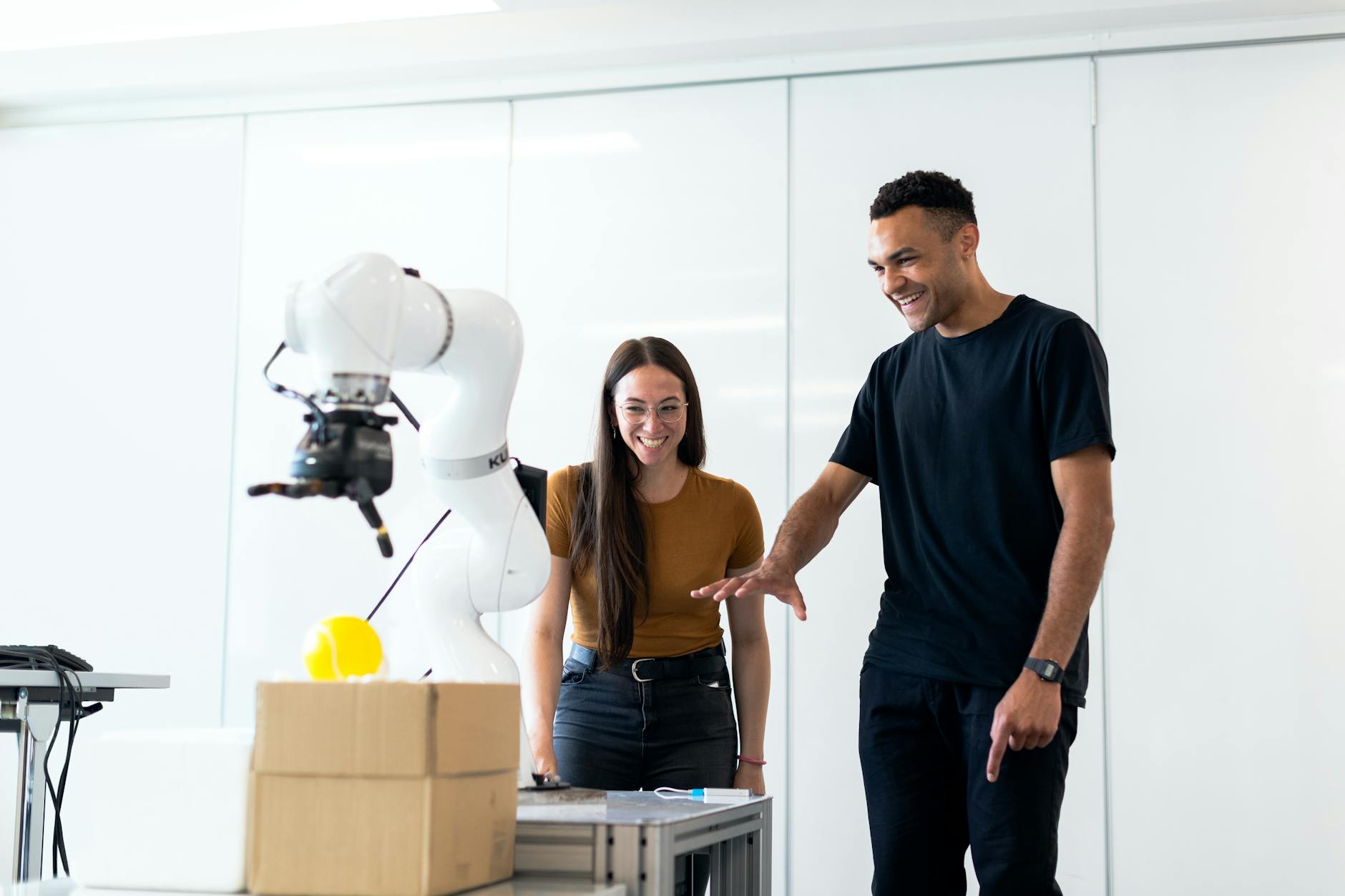
The key angle is simple: treating AI as a colleague — an entity that shares tasks, drafts documents and participates in decision workflows — is changing organizations faster than incremental automation ever did. It has been reported that businesses across China are increasingly embedding generative AI into daily work, so that the machine is no longer a back‑end script but a front‑line collaborator. Shorter cycles. Faster drafts. New expectations of speed and accuracy.
Practical shifts and friction
What does that mean in practice? Teams are redesigning roles, with humans focusing more on judgment, oversight and context-setting while AI handles synthesis, routine analysis and first drafts. Managers find their jobs shifting toward curation and quality control. It has been reported that firms from startups to giants such as Baidu (百度) and Alibaba (阿里巴巴) are experimenting with these hybrid workflows — but the change brings new friction: unclear accountability, uneven skill gaps, and the need for continuous reskilling. Who owns a decision when a suggestion originated with an AI?
Regulation, data and geopolitics
Governance questions follow fast. Data privacy, model provenance and auditability become boardroom issues. It has been reported that Chinese regulators are accelerating guidance on algorithm management even as companies race to deploy tools. The geopolitical context matters: U.S. export controls on advanced chips and other trade restrictions have reportedly pushed Chinese firms to lean harder on software innovation and domestic AI stacks, shaping what kinds of "colleagues" are available and who governs them. The result is a global experiment in organizational design — one that asks whether culture, law and policy can keep pace with machines that act like coworkers.