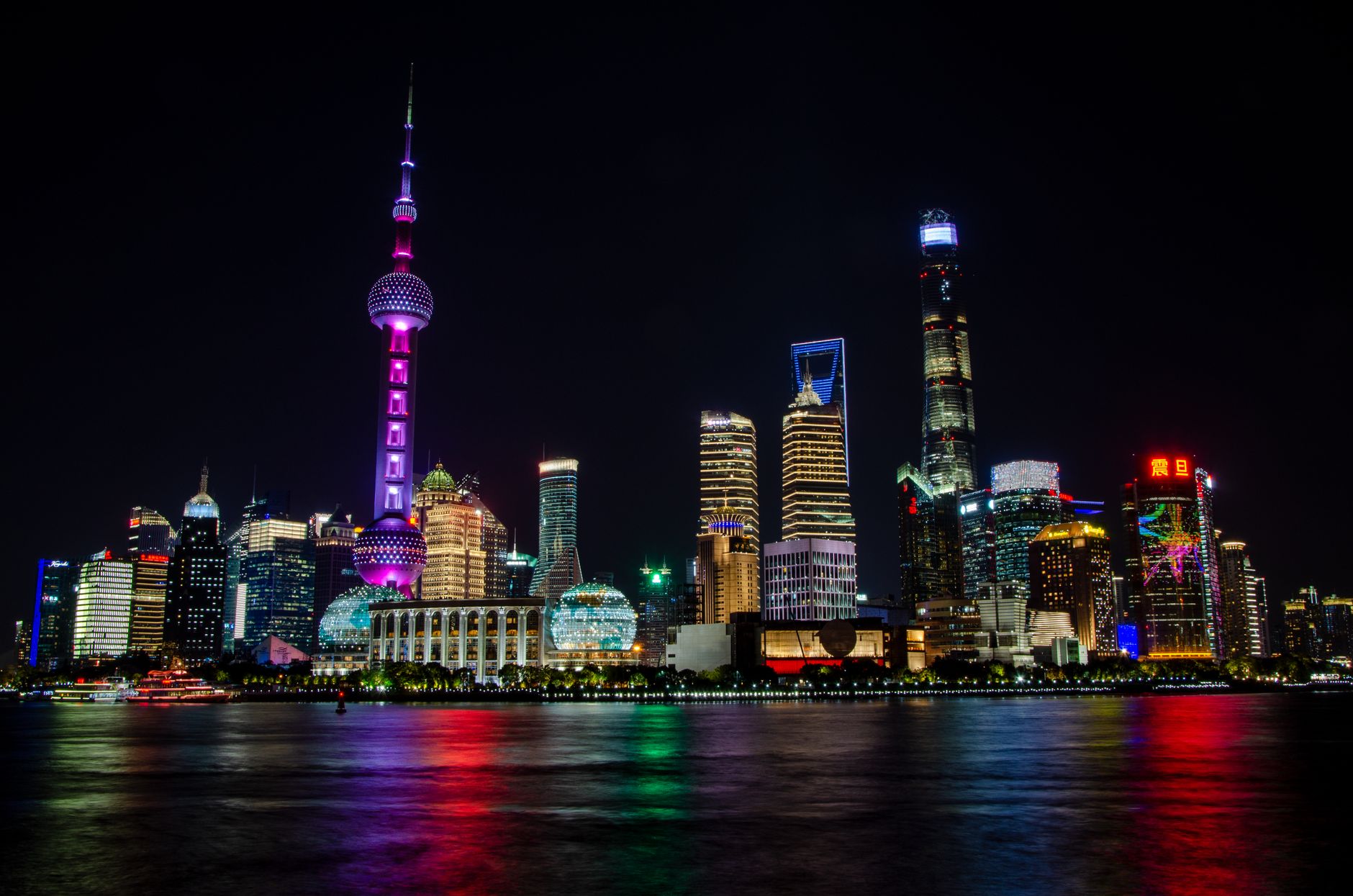
Why is Shanghai (上海) "Far Ahead" in the Global Best Cities Ranking at Second Place This Time?
Shanghai’s leap and the metric behind it
Shanghai has vaulted into TimeOut’s global best cities list at an unexpectedly high second place, trailing only Melbourne and ahead of longtime favorites such as New York, London, Paris and Tokyo. It has been reported that TimeOut — the London-based magazine founded in 1968 — compiles the list using 44 indicators that foreground everyday life: dining, culture, nightlife, affordability, happiness, safety and inclusion, with new soft metrics this year for community warmth and day-to-day joy. Shanghai’s climb has been rapid: first appearing at No.17 in 2021, rising to No.9 in 2025 and now landing at No.2.
What pulled Shanghai forward
Local observers, including an opinion piece in Huxiu by Lian Qingchuan (连清川), argue the city’s advantage lies in its civic DNA: a pragmatic “keep-on-living” ethos among residents that produces dense, reliable services, broad price tiers and durable small businesses. It has been reported that TimeOut’s resident survey shows high marks for affordability and convenience — for example, large majorities say eating out, coffee and films are inexpensive and that cycling is convenient — though Huxiu cautions that housing and rents remain expensive for many younger workers. In short, Shanghai offers a wide menu of real-life choices across budgets: a tourist can find hostels and five‑star hotels; a graduate can find cheap food and long commutes; a retiree can find luxury.
A ranking shaped by global winds
Why now? Analysts say the shift reflects broader geopolitical and economic currents. It has been reported that deglobalization, rising inequality and urban stress have left some traditional world cities struggling with affordability, social disorder and security concerns, opening space for second-tier global hubs to score well on “liveability” as defined by everyday experience. Geopolitical frictions — trade tensions, travel restrictions and the uneven mobility of people and capital — have amplified these patterns, making cities like Shanghai, Melbourne, Edinburgh and Seoul attractive alternatives in the current moment.
Can Shanghai keep this slot once global flows normalize and domestic pressures such as housing are addressed? TimeOut’s methodology rewards what residents actually feel day-to-day, and that is precisely where Shanghai’s mixture of conservative caution, professional rigor and a restless Gen‑Z-driven consumer scene seems to resonate — for now, at least.