Freight Rates Surge, Sellers Abandon Goods, Cut Supply and Hold Links: 30 Days of 'Surviving' for Cross‑Border E‑commerce to the Middle East
Storm at sea, shock on shore
Freight rates have exploded and cross‑border sellers to the Middle East have spent the past 30 days scrambling to “survive.” It has been reported that some merchants abandoned cargo, others cut or delayed shipments, while many sought to preserve buyer links and platform standings. The trigger was sudden instability around the Strait of Hormuz and related incidents in the Persian Gulf — a choke point that carries a large share of global oil and container flows — which sent ocean and air prices sharply higher and capacity sharply lower.
Capacity crunch and cost shock
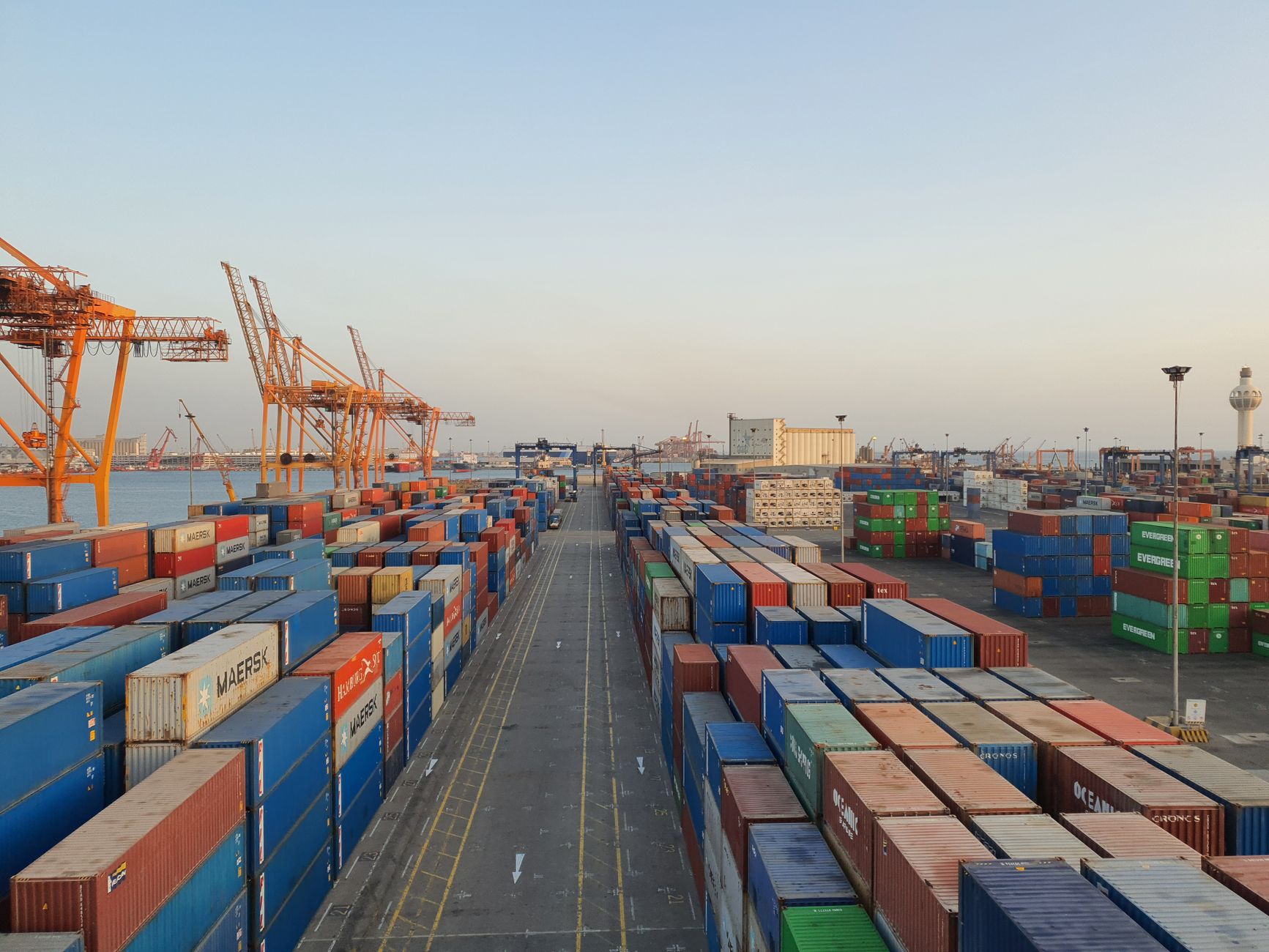
Major carriers and couriers reacted at once. It has been reported that MSC, HMM, ONE, CMA CGM (达飞), Hapag‑Lloyd (赫伯罗特), Maersk (马士基), COSCO (中远海运) and other liners either suspended bookings, skipped ports or rerouted; FedEx, UPS, USPS and DHL cut or paused some Middle East services. Global air cargo capacity fell roughly 22% with Asia‑via‑Middle‑East routes down about 39%, and about 10% of the container fleet was affected by jump‑ports and blanked sailings. The Shanghai Containerised Freight Index (SCFI) for Persian Gulf–Far East surged from 1,333 to 1,855 in weeks — nearly a 40% rise — with insurance premiums, emergency fuel and war‑risk surcharges adding materially to landed costs.
Platforms, logistics firms and traders adapt
It has been reported that marketplaces including Temu (backed by China’s PDD/拼多多), SHEIN, Amazon, eBay and AliExpress (速卖通) issued delivery warnings or temporary exemptions for sellers as lead times stretched. Logistics providers also moved fast: Yuntu (云途) says it used a “four‑step closed loop” — assess, notify, switch, guarantee — to reassign routes and prioritise critical shipments; iMile likewise reported rapid risk assessment, temporary pauses in exposed areas and network rerouting that limited interruptions to a few days in many UAE hubs. Contracts and annual capacity talks are shifting too — buyers and carriers are now negotiating more flexible clauses, force‑majeure language and contingency fees.
Short shock or lasting change?
Who wins depends on scale, speed and a little luck. It has been reported that some sellers with high‑value or time‑sensitive SKUs are deferring Middle East sales; others accept higher costs to keep customers. If the geopolitical flare‑up cools before the year’s peak shipping season, analysts say the market could re‑balance and rates ease; if not, higher structural premiums and revised commercial terms may be with us longer. One question hangs over the industry: will these 30 days merely be a shock to the system, or the start of more persistent, geopolitically priced supply chains?