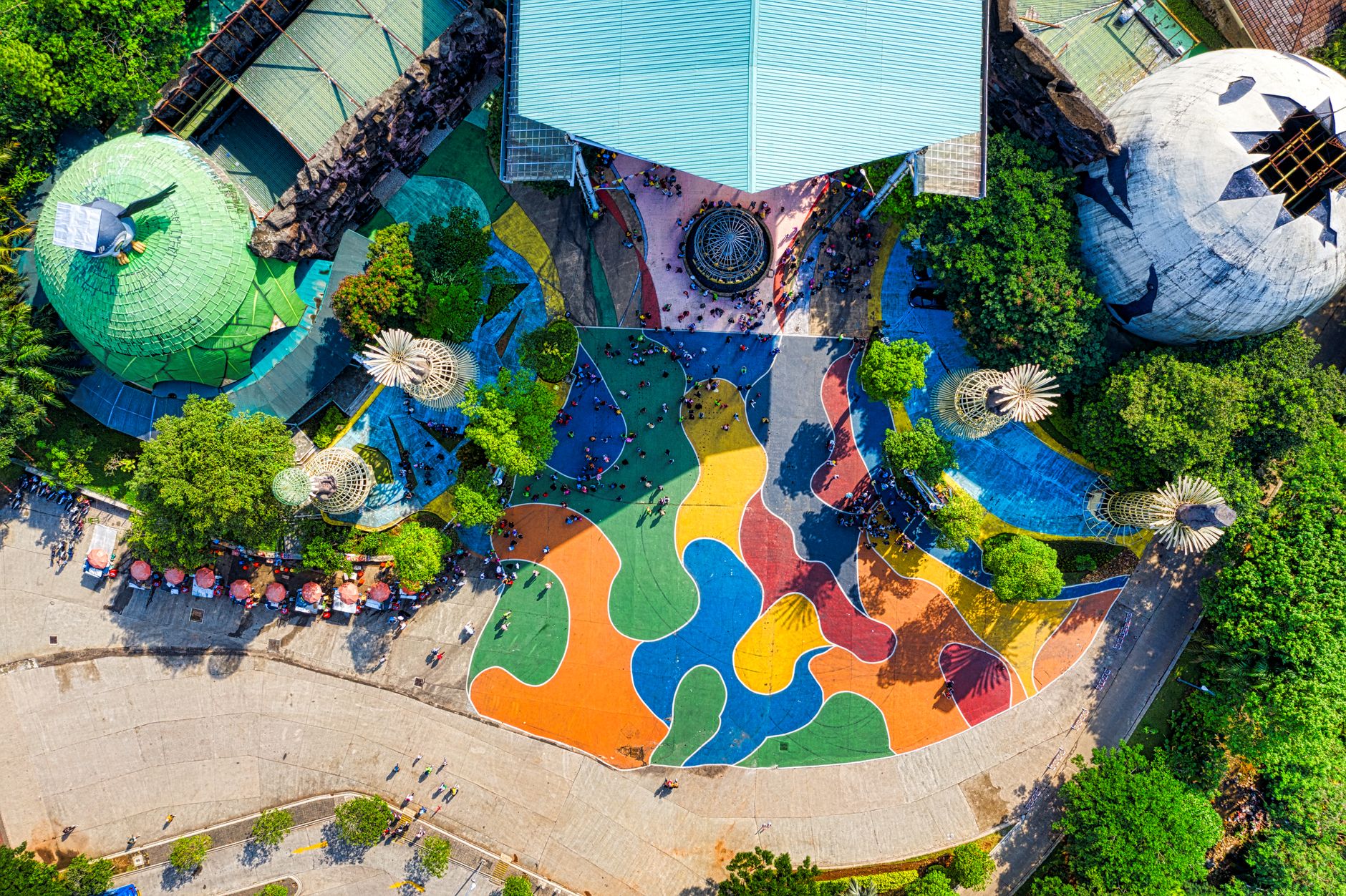
Middle-class urbanites who stayed in for Qingming are quietly staging “Color Walks”
A low-cost, local springtime fad
It has been reported that many middle-class people who stayed home over the Qingming holiday in China are taking up a new urban pastime called “Color Walk.” Rather than plan a destination, participants pick a single color—yellow, green, pink, gray—and set off to find it in the cityscape: a strip of caution tape, a faded sign, a lone wildflower in a wall crack. The trend was first flagged by Phoenix WEEKLY via the WeChat public account 凤凰生活报告 and reposted on Huxiu (虎嗅).
How the game works — and where it’s shared
Color Walk is simple and portable. Solo walkers use a color as a roaming filter; friends turn it into a playful date or group challenge. Reportedly, social feeds on WeChat (微信), Xiaohongshu (小红书) and Douyin (抖音) have filled with same-color “relay” posts—strangers answering one another’s frames with matching hues, creating a dispersed, crowd-sourced photo essay of overlooked urban details. The idea itself traces back to experimental exercises by American writer William S. Burroughs in the 1960s, who proposed guided walks driven by color to break habitual perception.
What it says about urban life in China
Why has this taken off now? In part because many urban residents are retooling leisure to fit tighter schedules and budgets—low-cost, local experiences that resensitize the walker to the everyday. It has been reported that algorithms and ever-faster information streams have dulled casual attention; Color Walk works as an antidote. Against a backdrop of pandemic-era travel habits and wider shifts in China’s urban middle class, the practice highlights a bigger cultural pivot: not fleeing the city for a scenic weekend, but learning to see the city you already live in.
Small ritual, broader resonance
Color Walk is modest, playful and portable. But its appeal goes beyond aesthetics. For a generation accustomed to curated feeds and algorithmic attention, choosing a color becomes a way to reclaim what you look at—and, arguably, what you feel able to notice. The end point is irrelevant. The aim is to make the ordinary feel new again.