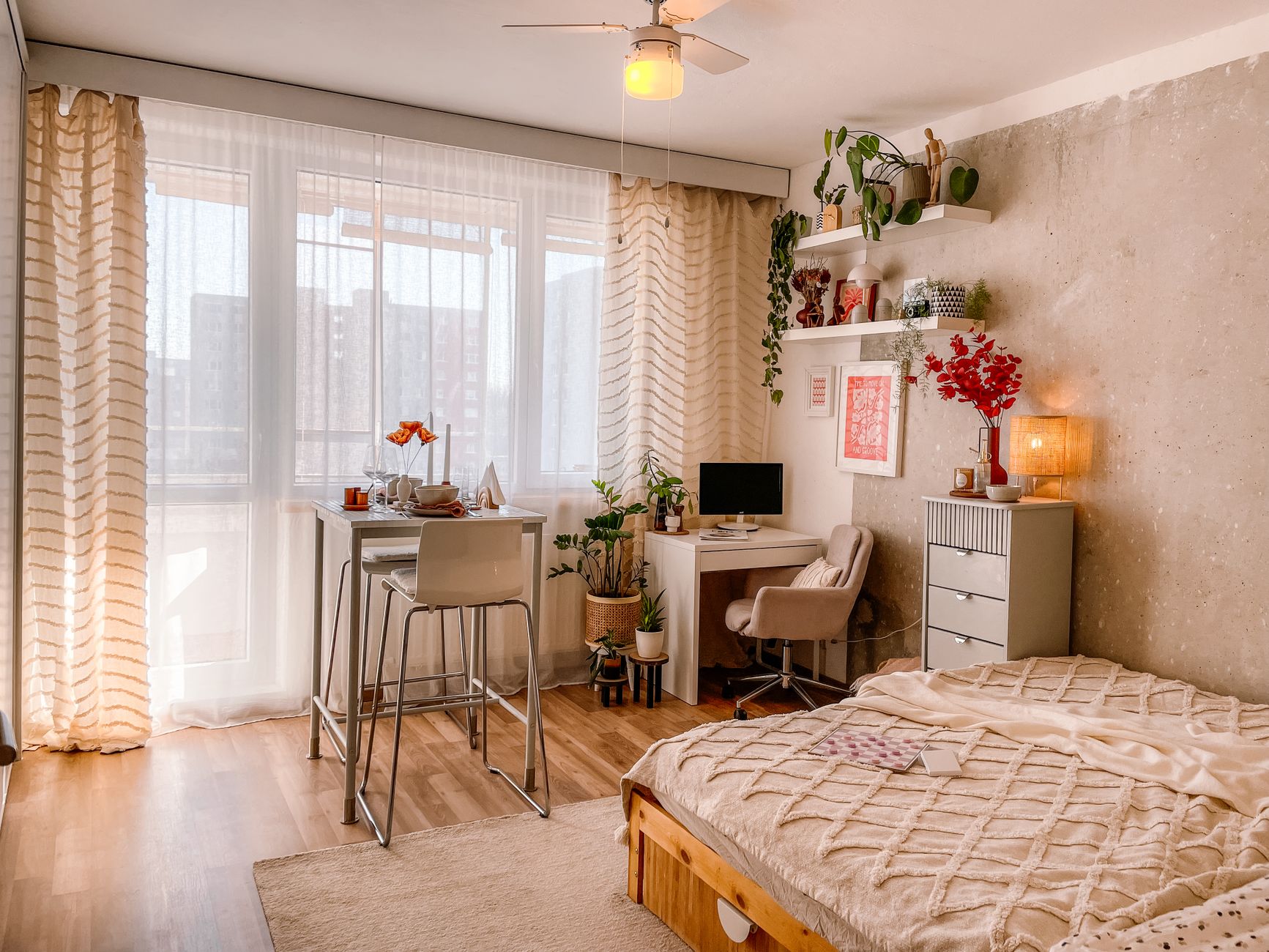
As Homes Get Smaller, Life Requires More Self-Organization
Shrinking space, growing need to manage life
It has been reported that urban apartments in many Chinese cities are getting smaller and households are compressing more functions into fewer square meters. The result is practical: living rooms double as offices, kitchens become compact studios, and every surface must earn its place. Why does it matter? Because when physical space contracts, the cognitive load of daily life expands — people must plan, sort and adapt to make a tiny home work.
Market shifts and design responses
Retailers and platform ecosystems are responding. Storage and space-saving products are reportedly selling strongly on Taobao (淘宝), part of the Alibaba (阿里巴巴) ecosystem, and on JD.com (京东). Manufacturers — from established foreign players to nimble Chinese brands like Xiaomi (小米) with modular accessories — are emphasizing multifunctional furniture, vertical storage and micro-apartment design. Architects and interior designers are pitching solutions that are less about luxury and more about choreography: where does laundry live, how does a sofa become a bed, what fits under the stairs?
Everyday skills and wider implications
This is not just a consumer story. It intersects with broader economic and policy trends: high housing costs, slower household formation and changing lifestyles are squeezing private space. People are developing new routines and habits — scheduling, downsizing, better labeling — that amount to a form of domestic self-organization. The deeper question: if homes keep getting smaller, will urban life bend to new norms of communal services, co-living and digital convenience, or will cultural expectations of private space adapt instead? The answers will shape how Chinese cities are lived in — and how companies pitch the next generation of urban products.