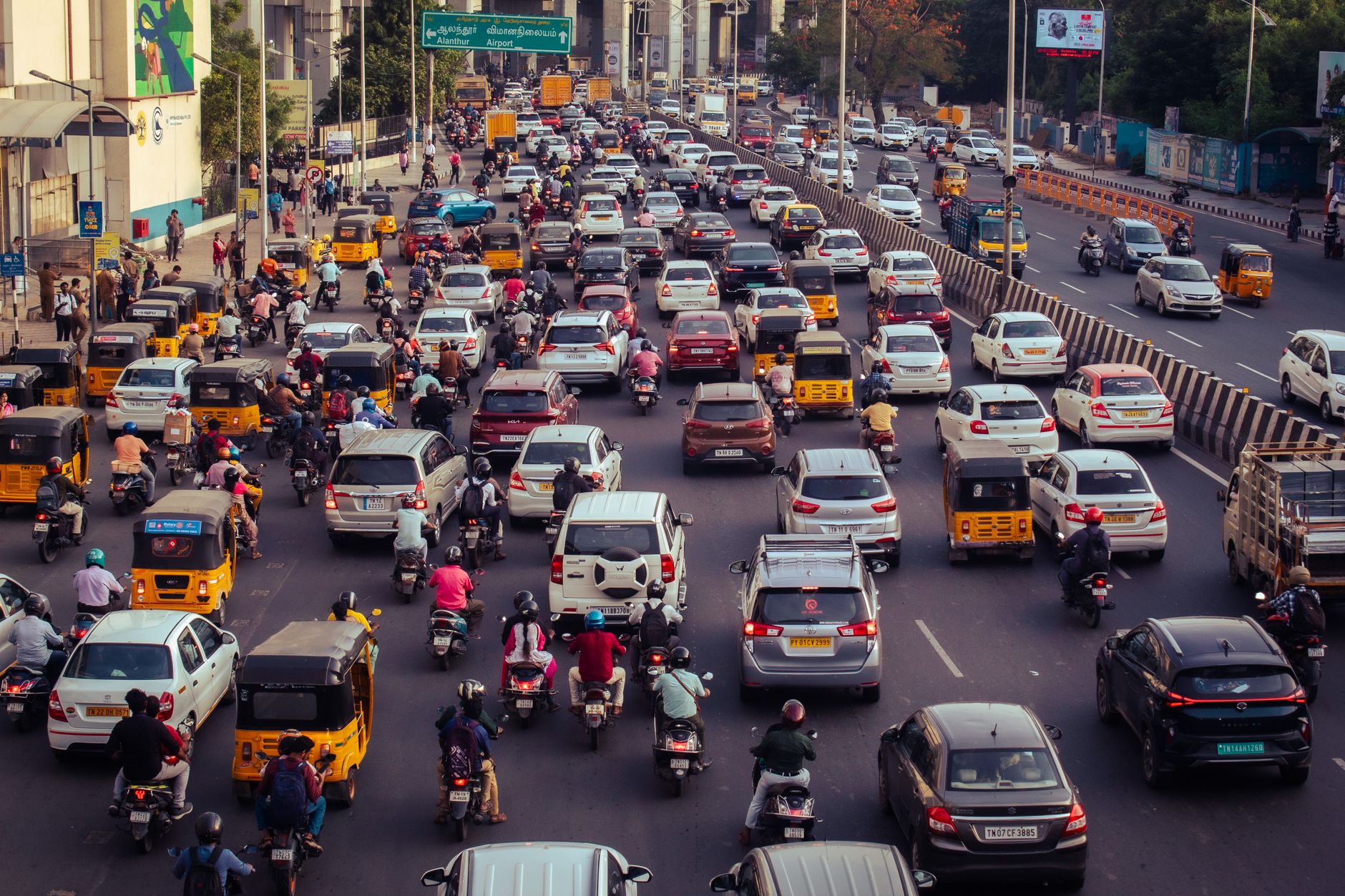
Hundreds of autonomous vehicles in Wuhan break down collectively — who will manage the accidents?
Mass outage in a pilot city
It has been reported that hundreds of autonomous vehicles operating in Wuhan suffered a collective breakdown, temporarily taking large parts of several robotaxi and delivery fleets out of service. Passengers were reportedly stranded and operators scrambled to dispatch human drivers and tow trucks. The scale of the incident — simultaneous failures across many vehicles — raises immediate safety and operational questions for a technology still being trialed on public roads.
Who is legally and operationally responsible?
Who takes the blame when self-driving fleets fail en masse — the vehicle maker, the software supplier, the fleet operator, or the local regulator? Under Chinese law, product-liability rules, traffic safety statutes and contractual obligations between manufacturers and fleet operators all intersect, and insurance will play a central role. It has been reported that investigations are underway to pinpoint cause: whether a software update, sensor fault, communications outage or routine maintenance lapse triggered the failures. For now, responsibility appears fragmented, leaving passengers and local authorities seeking quick answers.
Wider implications for China’s autonomous push
This incident comes as China accelerates trials of autonomous vehicles in dozens of cities as part of a broader industrial push to lead next-generation mobility. But it also arrives against a backdrop of global tech tensions: export controls and sanctions affecting advanced chips and sensors could complicate supply chains for domestic AV suppliers, potentially affecting reliability. Is the technology mature enough for large-scale public deployment, and do regulatory frameworks provide clear accountability when things go wrong? The Wuhan breakdown underscores the urgent need for clearer rules, stronger oversight and transparent incident reporting as China scales its autonomous ambitions.