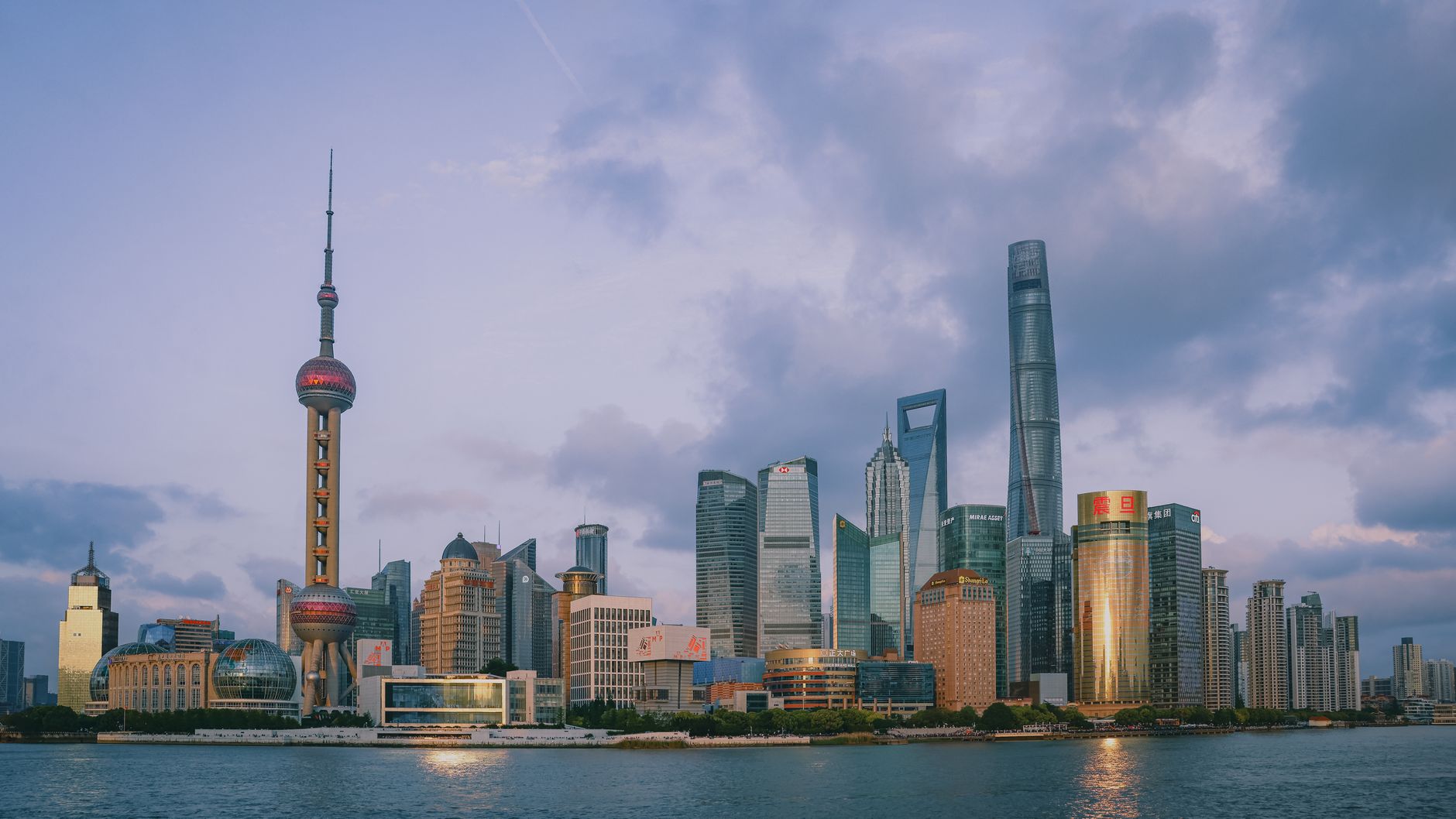
Is Shanghai's Property Market Heating Up Again?
Data points point to a rebound
Shanghai's housing market has shown sharp signs of pick‑up since the city rolled out a local support package known as the "Seven Measures" (沪七条). It has been reported that, in the month after the measures were introduced, the city recorded about 2.17 million square metres of housing transactions — roughly 25,700 units — a year‑on‑year increase of 11%. On March 28 single‑day net‑signed transactions reportedly hit 1,585 units, a near five‑year high. Official releases also show that February marked the end of a nine‑month decline in second‑hand prices, with month‑on‑month gains of about 0.2% for both resale and new‑home prices (some sources put the resale figure at +0.3%).
Luxury sales and a national "small spring"
The uptick is not confined to Shanghai. Shenzhen and Guangzhou are seeing a boom in high‑end deals: Shenzhen has recorded 168 transactions above RMB 30 million (≈$4.3m) — up about 155% year‑on‑year — and early spring sales already include a dozen properties priced above RMB 100 million (≈$14.3m), nearly matching last year’s full‑year tally. In March, national second‑hand contract signings neared 10,000 units for the month, well above 2025 monthly averages, and cities from Chengdu to Ningbo are reporting what local brokers call a "little spring" in activity.
Why buyers are coming back — and why caution remains
Why are people buying when China’s owner‑occupancy rate is already very high (about 89.7%)? Analysts say much of the demand is replacement — families trading up for better space and location — and investor activity is re‑emerging where rental yields look attractive. Reportedly, the share of new‑home transactions for 120 sqm+ units rose to 45.5% in Jan–Feb 2026, up from 40% in 2022, signalling stronger demand for larger, higher‑end stock. The dynamics echo patterns seen in Japan and South Korea, where big cities kept rising even amid demographic decline — but such parallels are not deterministic. Policy moves, local supply constraints and income growth in core cities matter more than birth‑rates alone.
Outlook: momentum meets policy risk
The near‑term picture is one of momentum amplified by local easing and buyer psychology: cheaper financing, marketing pushes by agents (it has been reported that brokers from firms such as Lianjia (链家) are more active), and visible sales spur more activity. But structural risks remain — overhangs in weaker cities, demographic headwinds, and the broader macro backdrop of China’s economic policy versus global monetary trends. Will this be a sustainable recovery or a temporary thaw? For now, the data point to a market that is warming — but many of the deeper questions about valuation and long‑term demand remain unresolved.