SpaceX’s $2 trillion IPO bet shifts the plot from rockets to orbital data — can China keep pace?
SpaceX is selling more than rockets
It has been reported that SpaceX aims for a jaw‑dropping $2 trillion valuation in a quietly filed IPO that could arrive as soon as June. Bloomberg says the company may try to raise as much as $75 billion in the offering; it has also been reported that preparatory “testing‑the‑waters” briefings could disclose more of the financials soon. If true, the move would put value on an integrated space infrastructure business — launch, Starlink, xAI and even proposed orbital data‑center projects — and vault SpaceX toward the top of global market caps.
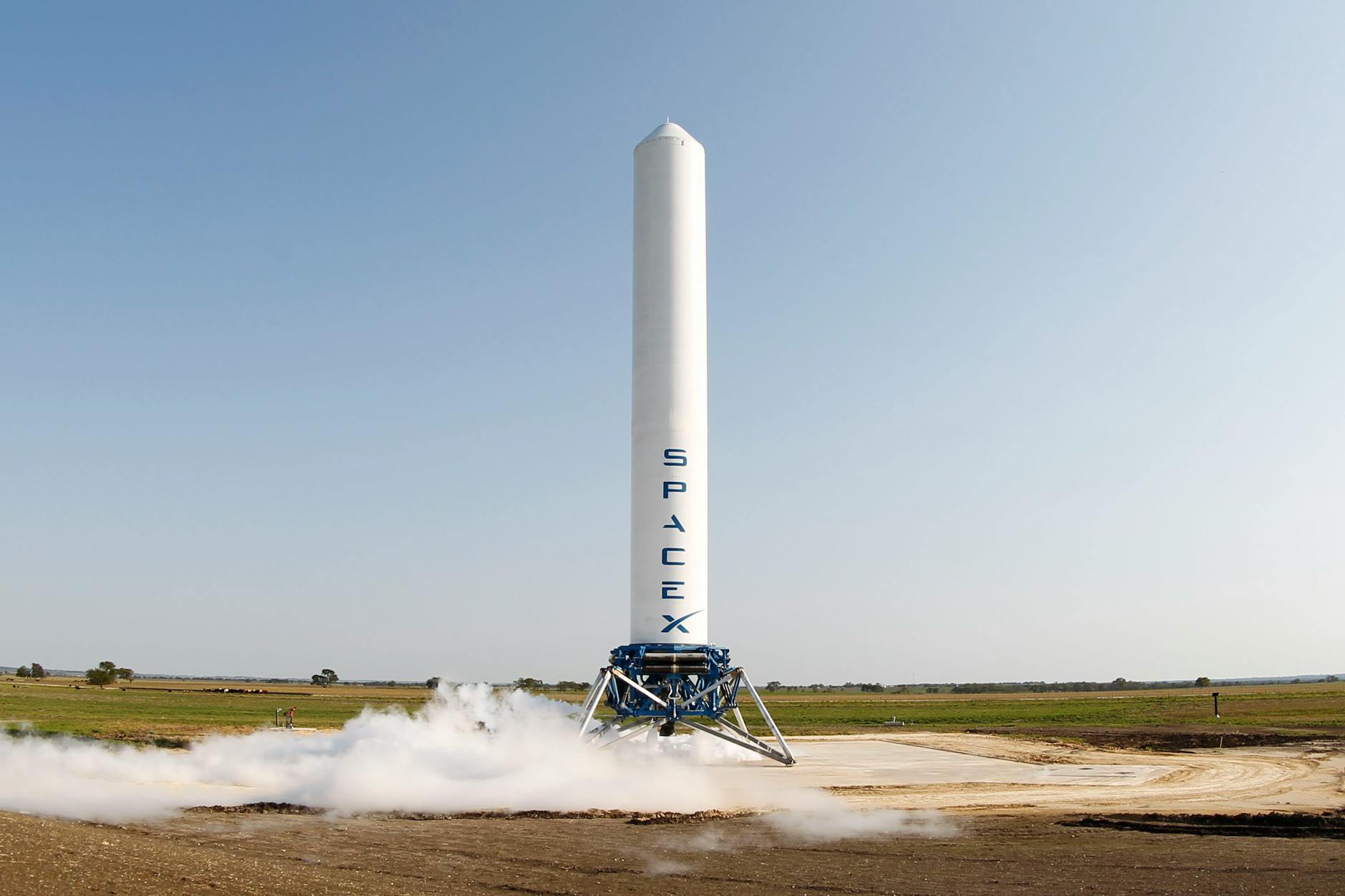
The math behind the headline is not just about reusable boosters. SpaceX’s core commercial launch and Starlink businesses are expected to produce about $1.8 billion this year, while xAI — folded into SpaceX in recent months after a merger — is not expected to bring material revenue this year. More consequential are the company’s longer horizon bets: Terafab (a 1 TW chip fab reportedly to be co‑operated with Tesla), FCC filings for a million‑satellite orbital data‑center plan and moon‑scale PW (petawatt) data‑center visions. Reuse has already driven down per‑launch costs — Falcon 9 has flown a stage up to 34 times — and SpaceX is pitching orbital compute as the next way to escape terrestrial energy and siting constraints.
China’s race is capital‑led, industrially fragmented
Overnight headlines in Washington are meeting a very different scene in Beijing. China is convening a “space compute” industry conference even as Beijing‑based firms accelerate IPO filings to fund reusable‑rocket work. It has been reported that Zhongke Yuhang (中科宇航) has sought about ¥4.2 billion and Blue Arrow Aerospace (蓝箭航天) about ¥7.5 billion, with large shares earmarked for repeatable‑launch technology. Beijing also recently submitted a satellite frequency/slot filing to the ITU for a program reportedly exceeding 200,000 satellites and has set up a national “Space Compute” committee with ten priority projects.
But capital alone may not be enough. Unlike SpaceX’s vertical‑integration playbook — which binds launch, satellites, communications and processing into a single value‑setting hub — China’s private space sector today looks like a split industrial chain. Launch revenues dominate many Chinese players, making their earnings cyclical and their ability to become an industry “chain‑owner” (the sort of integrator that defines pricing and upstream standards, akin to BYD (比亚迪) or DJI (大疆) on the ground) still an open question.
A geopolitical and economic fork in the sky
Geopolitics looms over both trajectories. Vertical integration, access to advanced semiconductors and large‑scale capital are interlinked — and export controls, sanctions and restrictions on high‑end equipment could shape who actually builds the orbital compute stack. Will Chinese firms stitch together the same upstream control via M&A, state backing and domestic supply chains, or will they pursue a distributed ecosystem that specializes around subsegments of the value chain? The answer will determine whether rockets remain the hero or merely the enabler.
2026 may be the turning point. Markets, regulators and engineers are about to decide whether orbital compute is a credible demand sink for future AI growth — and whether China can produce the industrial integrator to match SpaceX’s gambit. Which path will win: a single chain‑master that prices the future, or a fragmented market where launch commoditization leaves the real value to others? The race is now as much about capital and industrial design as it is about propulsion.