Why Are Daily Necessities Rising in Price After the Oil "Supply Cut"?
A single chokepoint, many shocks
The short answer: because crude oil is not just fuel. It has been reported that recent Gulf tensions and a near‑shutdown of the Strait of Hormuz pushed international oil prices sharply higher — and that ripple reaches far beyond petrol stations. When crude becomes more expensive or harder to move, the cost and availability of petrochemical feedstocks used to make plastics, fibres, rubber and fertilisers move with it. The impact shows up in everyday things: it has been reported that Indian plastic buckets jumped in price, that some Japanese snack lines were halted for fuel shortages, and that Koreans scrambled for trash bags even after official price reassurances.
How a barrel of oil turns into your T‑shirt and your toothpaste
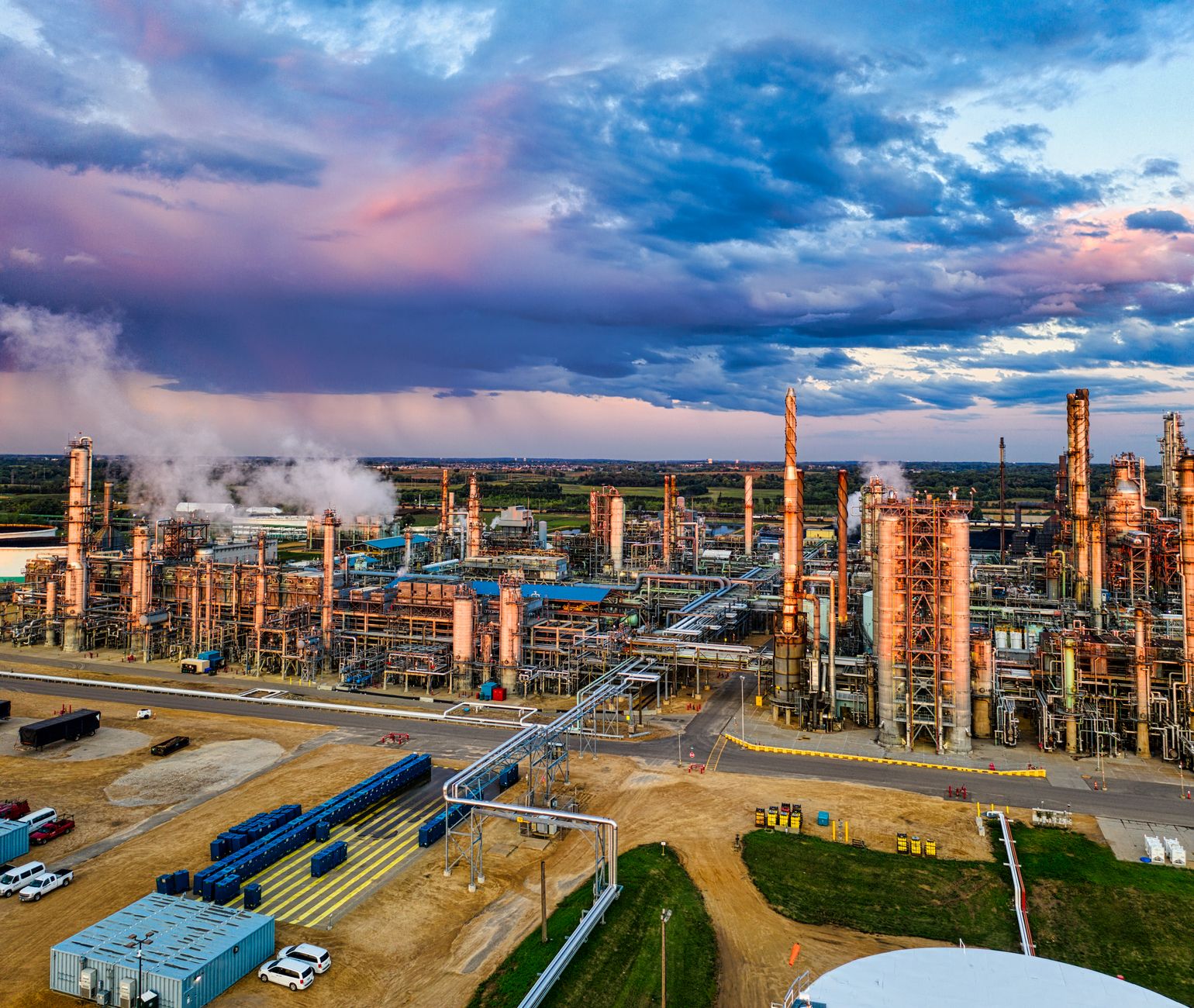
Refining crude separates it into fractions; further cracking under extreme heat produces small building blocks such as ethylene and propylene — the chemical "Lego bricks" for polyethylene (PE), polypropylene (PP), PET (polyester) and dozens of other polymers. Globally, synthetic fibres exceed 60% of textile production and polyester alone accounts for over half of fibre output. About 15–20% of global oil consumption is used as chemical feedstock; in absolute terms, over 10 million barrels per day are routed into the chemical complex that makes plastics, fertiliser, pharmaceuticals and materials we touch every day. When those feedstock prices rise, the higher costs cascade through manufacturing, agriculture and logistics before they land on supermarket shelves.
Can policy and tech break the link — and how fast?
There are options: green hydrogen for ammonia and pilot electrochemical routes to methanol and ethylene can substitute fossil feedstocks. It has been reported that China already hosts large green‑ammonia projects producing at scale. But these alternatives remain costlier and smaller in scale than incumbent fossil routes; replacing a century‑old, global petrochemical base will take time and investment. Meanwhile geopolitical shocks — be they regional conflict, sanctions or shipping disruptions — can still create acute shortages and price shocks. The takeaway for Western readers and Chinese consumers alike: even localized oil supply problems can become systemic, so resilience will require both industrial policy and new chemistry, not just lower fuel bills.