From repair shop to world stage: Zhang Xue’s wife says 20 years of debt finally paid off
Championship breakthrough
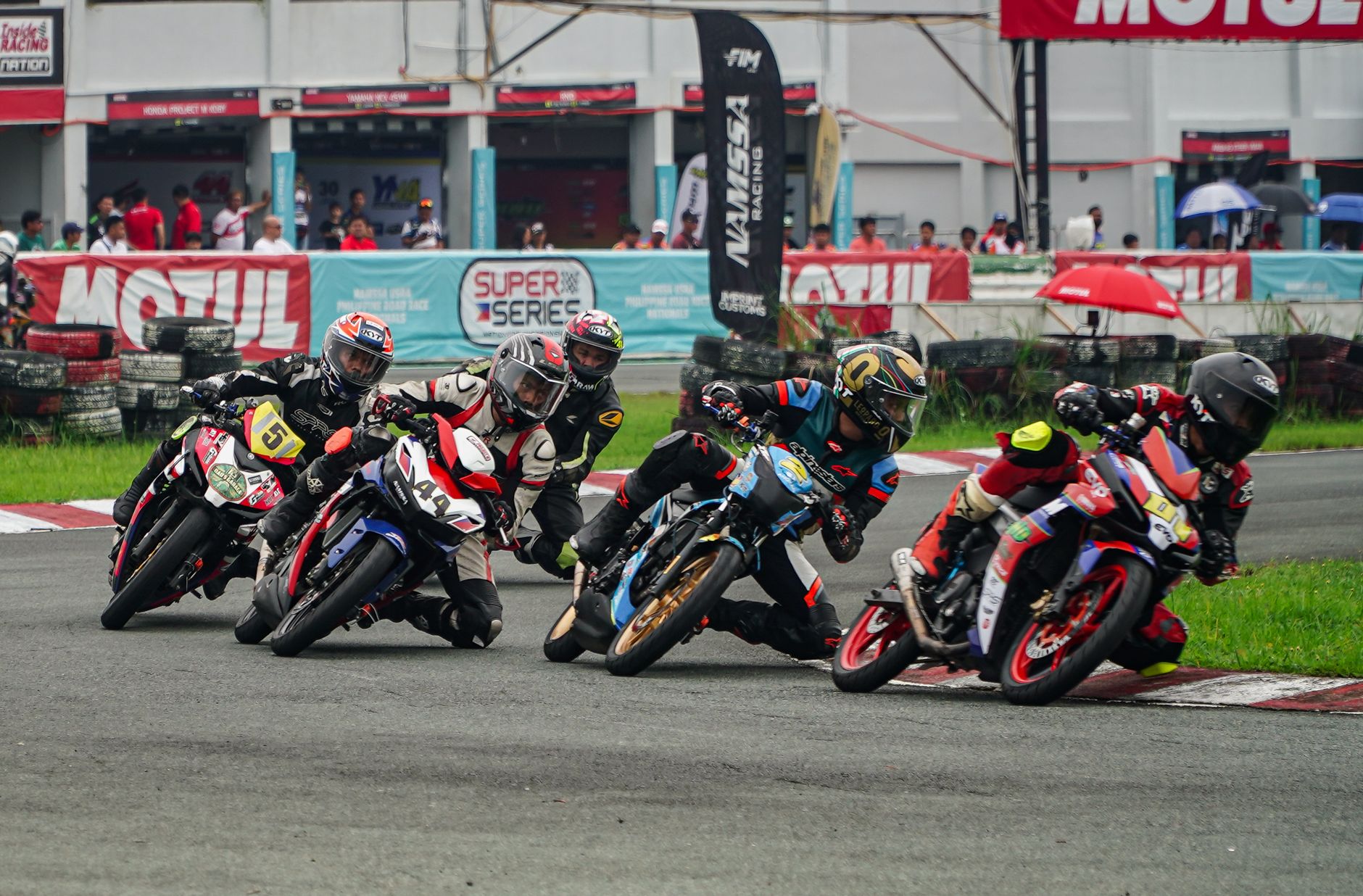
It has been reported that at the World Superbike Championship (WSBK) round in Portugal, French rider Valentin Debise piloted the No.53 820RR‑RS built by Zhang Xue (张雪) to a double victory — a historic first for a Chinese motorcycle brand that reportedly broke a 37‑year stretch of dominance by established European and Japanese marques such as Ducati and Yamaha. For Western readers: WSBK is one of the world’s top production‑based motorcycle series, where brand reputation and factory backing normally decide results. The win immediately sparked a wave of “support domestic” sentiment in China.
Two decades of debt and hustle
In an interview, Chen Xingyi (陈星伊), Zhang’s wife and childhood companion, recounted a 20‑year arc of failed riding ambitions, scams, factory work and entrepreneurship that only recently ended its cycle of personal indebtedness. They moved to Chongqing — China’s so‑called “motorcycle capital” — in 2013 with about ¥20,000 and built a business by borrowing several million yuan from friends and relatives; Chen kept meticulous ledgers of every loan and repayment. It has been reported that the couple cleared all personal debts in 2024 after an 11‑year period of borrowing and repaying, but the emotional imprint of that struggle remains.
From Kaiyue to Zhang Xue Motor
Zhang first found commercial traction after co‑founding Kaiyue Motor (凯越机车), whose 2018 model 500X sold more than 800 units and finally eased their cash flow. But after ideological and R&D disputes with partners he left Kaiyue in early 2024 and founded Chongqing Zhang Xue Motorcycle Industrial Co., Ltd. (重庆张雪机车工业有限公司), a personally controlled firm. Reportedly, orders for Zhang‑linked models surged after the WSBK win — some sources claim roughly 5,500 orders in 100 hours — even as the new company remains in active fundraising and faces the usual investor pressure.
What this means beyond the racetrack
The story is both intimate and symbolic: a rural mechanic’s son who almost gave up on a childhood dream now sits at the center of a national conversation about industrial upgrading and technological self‑reliance. Against a backdrop of trade frictions and Western brand dominance in motorsport technology, Chinese manufacturers are under pressure to secure capital and supply‑chain know‑how while courting national pride. Chen’s final observation captures the human side—“I’m not a dreamer, but his dream made my life visible”—and underscores why victory on an international track matters far beyond trophies.