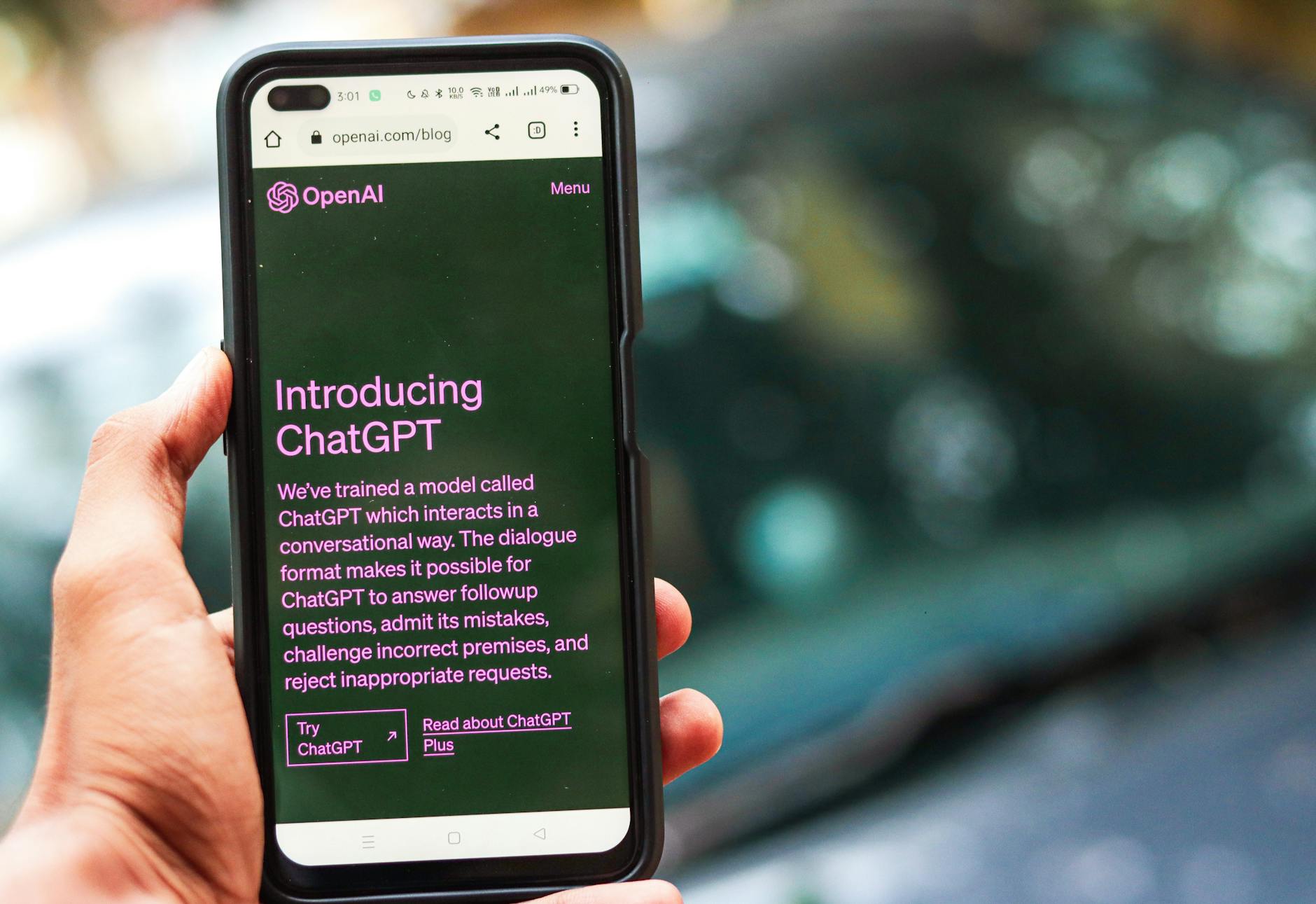
If this keeps up, OpenAI will hit a trillion in valuation before its IPO
It has been reported that OpenAI could reach a $1 trillion private valuation well before it ever lists publicly, according to a feature in Huxiu. The claim rests on rapid revenue growth from ChatGPT subscriptions and API sales, deep enterprise deals—most notably with Microsoft—and a market that continues to reprice what it is willing to pay for dominant AI platforms. How plausible is a trillion-dollar private valuation? For investors and rivals, the prospect is already changing expectations.
Why now: revenue, partnerships and moat
OpenAI’s momentum is tied to multiple revenue lines. ChatGPT Plus subscriptions provide recurring cash; API sales power a wide range of commercial applications; and Microsoft, reportedly an investor of over $10 billion and the company’s preferred cloud partner, offers both capital and distribution. Put together, these elements create a potent mix of scale, data access and sales channels that can justify a steep valuation multiple—if growth continues and margins hold.
What it means for investors and competitors
If OpenAI’s private valuation does top $1 trillion, it will force a re-evaluation of public-market comps and raise the bar for IPO pricing. Investors will ask: is this a winner-take-most platform or a bubble driven by hype? Chinese AI firms such as Baidu (百度), Alibaba (阿里巴巴) and SenseTime (商汤) are watching closely, and so are cloud providers and chip makers globally. Reportedly, this dynamic is already accelerating mergers, talent moves and commercial partnerships across the industry.
Geopolitics and the chip supply question
This story does not sit in a vacuum. US export controls, broader technology tensions with China, and constraints on advanced accelerators from companies like NVIDIA shape how fast competitors can close the gap. Will the geopolitical bottlenecks entrench incumbents or spur regional alternatives? Either outcome will matter for valuations and for the broader race to commercialize generative AI.