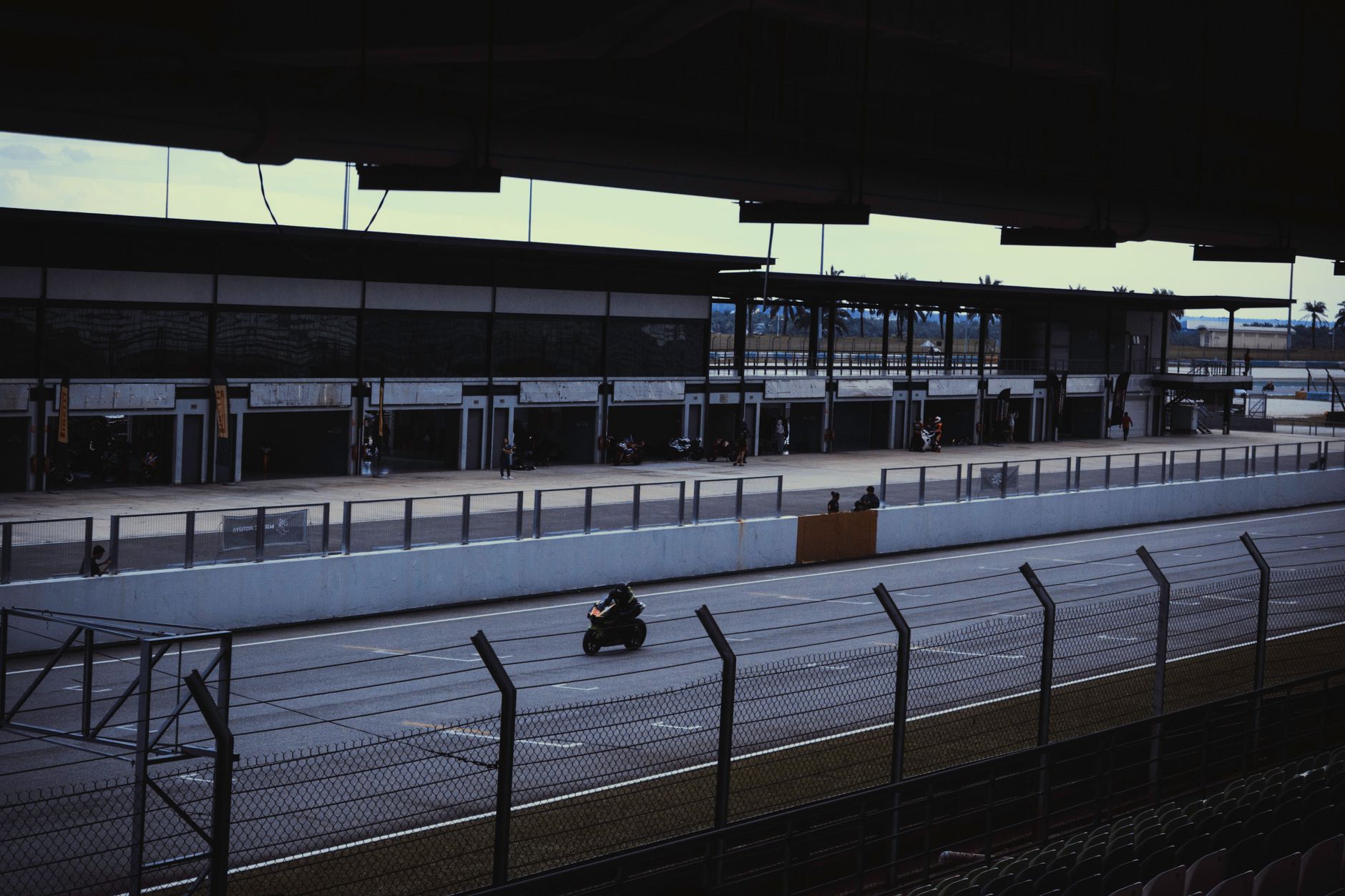
Zhang Xue’s comeback: Hunan-born engineer’s Chinese-made bike wins back-to-back WSBK Supersport titles
A dramatic return from the workshop to the podium
Zhang Xue Motorcycles (张雪机车) stunned the World Superbike Championship (WSBK) paddock in Portimão, Portugal, when a French rider aboard a Zhang Xue–built machine took both races in the Supersport (SSP) class — back-to-back victories that mark a rare overseas double for a Chinese manufacturer. How did a young apprentice from Huaihua, Hunan, who once fixed bikes in a shabby repair shop, help produce a machine that can beat long-established Ducati, Yamaha and other European and Japanese marques on their home turf?
From apprentice to engine maker
Zhang Xue’s rise reads like a comeback script. He began as a 14‑year‑old apprentice and established Kaiyue Motorcycles (凯越机车) in 2017; its first model became a domestic hit. But in 2024 Zhang left the company he founded to pursue what he saw as the harder task: developing competitive engines. In 2026 his marque launched the 820RR three‑cylinder sportbike. That production model, after race‑spec modification, reportedly formed the basis of the Portimão winner — a machine Zhang insists was developed from core engine to chassis with largely domestic parts.
A testbed for Chinese industrial ambition
WSBK is not just a race series; it is a proving ground for production‑based machines. A Chinese‑built double victory on such a stage challenges assumptions about where high‑performance motorcycle engineering can originate. It has been reported that the 820RR’s powerplant and key components achieved substantial localization — a sensitive point given that high‑end vehicle technology has long been constrained by foreign suppliers and export controls. For Western readers: this matters because automotive and motorsport tech feeds into broader industrial capabilities, from precision machining to materials and electronics.
What the win means — and what comes next
The Portimão result offers a marketing and morale boost for China’s motorcycle industry and for firms betting on indigenous R&D. But real tests remain: can such bikes sustain performance across seasons, secure parts supply chains for overseas customers, and scale production while navigating export rules and geopolitical tensions? For Zhang Xue, the moment answers one question — can he engineer a comeback? — but opens many more about whether a new generation of Chinese manufacturers can convert headline victories into lasting global competitiveness.