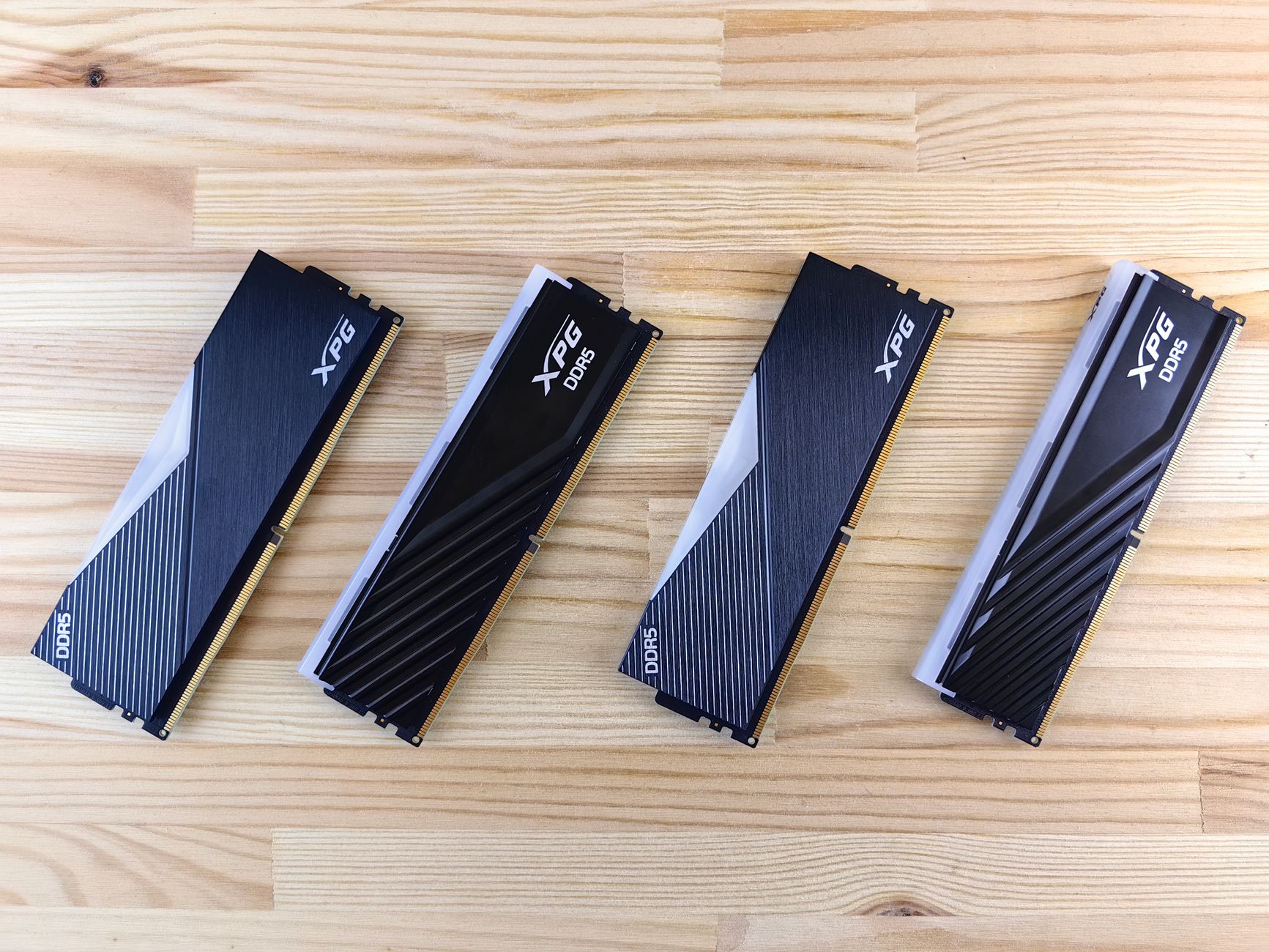
DDR5 “Crash” Hits Retail, Not AI Servers — But Bigger Systemic Risks Loom
Spot plunge is real. Panic is misplaced.
It has been reported that DDR5 memory-module spot prices plunged by nearly 30% in a month after fears that Google’s TurboQuant compression and earlier overstocking flooded retail channels. Consumer listings on Amazon and Chinese marketplaces tumbled — a 32GB 6400MHz DDR5 stick fell from about $490 to $379.99 on Amazon, and mainstream 16GB DDR5 modules in China slid from roughly RMB1,000 to about RMB700. Is this a crash? For retail buyers, yes. For the market that actually drives profits, not so much.
Two markets: retail noise vs. server demand
Analysts emphasize that the slumping spot market represents only a sliver of total DRAM trade — at most low single-digit percentage points — while enterprise contract demand for server memory is surging. It has been reported that Taiwanese server ODMs Inventec (英业达), Quanta (广达), Wiwynn (纬颖) and Wistron (纬创) saw combined February revenues rise year‑on‑year by about 84%, and suppliers such as Aspeed posted strong gains. Goldman Sachs and other broker reports argue TurboQuant’s near‑term memory‑use reduction is a headline, not a fundamentals‑flipping event: greater memory efficiency could lower deployment barriers and expand AI use, offsetting per‑instance declines.
The true systemic worries: energy, supply concentration and debt
Investors should instead watch macro tail risks. The Middle East conflict has reportedly pushed Brent and LNG prices sharply higher and disrupted shipping through the Strait of Hormuz, stressing inputs such as helium and other materials critical to advanced chip making. At the same time, AI buildouts have been financed by a surge in debt — it has been reported that hyperscalers’ annual AI investments approach trillions and that 2025 debt issuance tied to AI/data‑center buildouts spiked — concentrating financial risk across pension and insurance capital. Small shocks in energy, materials or finance could therefore have outsized knock‑on effects on the storage sector.
The headline “memory module crash” sells, but the nuance matters. Short‑term retail volatility is tangible. Long‑term server and AI demand still looks robust — yet geopolitics, energy and leverage are the variables that could turn volatility into crisis. Investors would do well to watch those instead of just spot prices.