Zhang Xue Wins the Championship, but China’s Motorcycle Industry Faces the "Indian Model" Challenge
A symbolic victory — and a warning
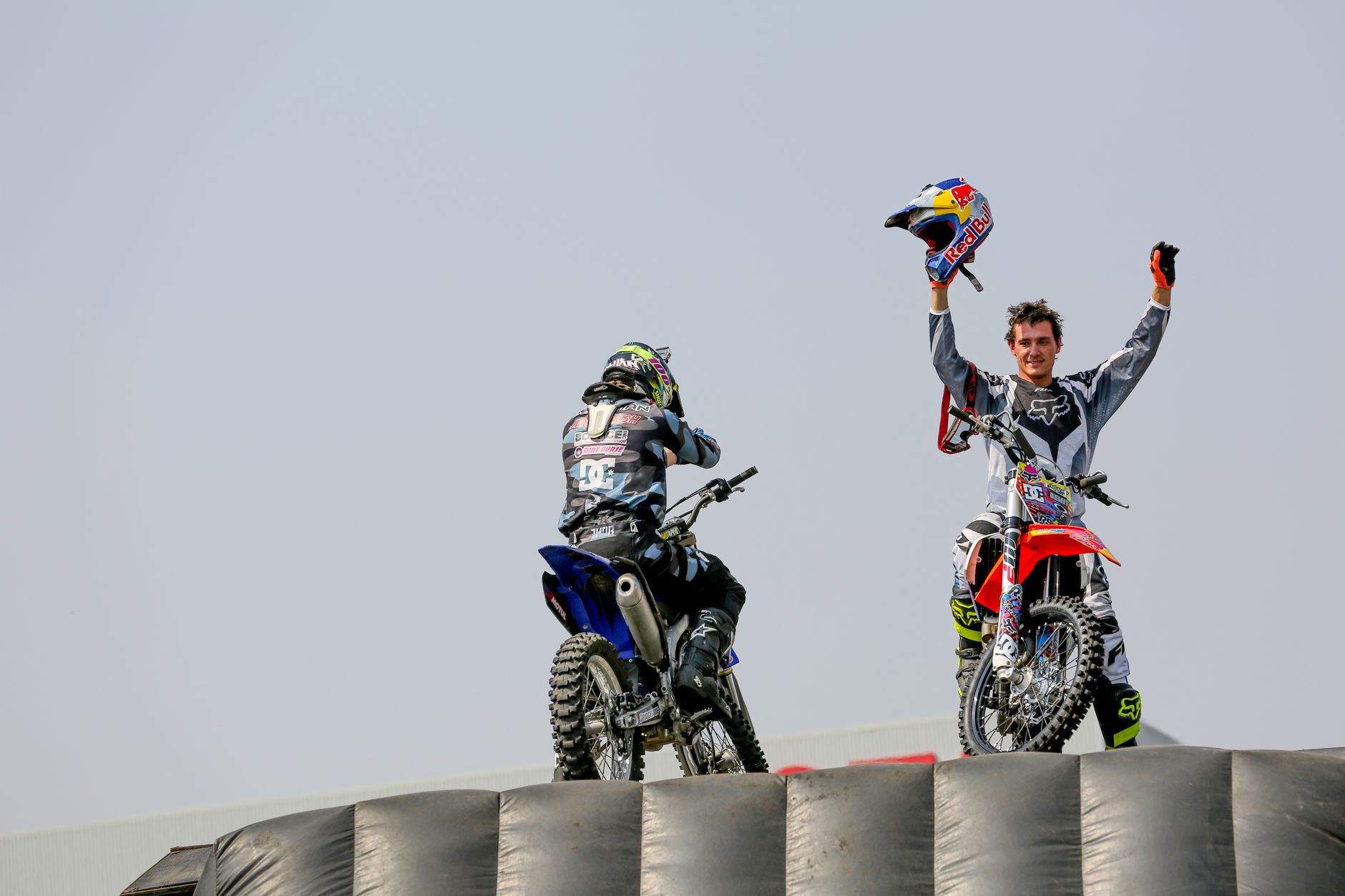
Zhang Xue (张雪) rode an 820RR RS to a headline-grabbing WorldSBK win, reportedly outpacing Yamaha by nearly four seconds in a straight‑line acceleration segment. The rider-turned-entrepreneur’s rise — from a Hunan repair‑shop youth to the founder of Zhang Xue Motor (张雪机车) and a world champion builder — is both a personal triumph and a showcase that Chinese engineers can close core‑technology gaps when they invest in R&D. It has been reported that Zhang Xue Motor’s 2025 R&D spend reached ¥69.58 million, about 9.3% of a ¥750 million output, underlining that homegrown technical breakthroughs are possible.
The "Indian model" is changing the rules
But on the global playing field, price and one‑time exports are no longer enough. China’s motorcycle hubs — including Chongqing, which hosts manufacturers such as Zongshen (宗申), Loncin (隆鑫) and electric brands like Yadea (雅迪) — face structural headwinds: domestic bans on urban motorcycle use, soaring license auction prices in first‑tier cities, shrinking local sales (roughly 6 million units annually) and industry capacity near 20 million units, with more than half of output exported. Meanwhile India’s exports have surged in volume: it has been reported that Indian shipments reached 2.8 million units in 2024 (about $3.16 billion), and firms such as Bajaj (巴贾杰) have spent decades building local factories, financing and dense after‑sales networks in Africa and Latin America. That on‑the‑ground presence — not just low sticker prices — is winning consumers.
Strategic implications for Chinese makers
Why does this matter beyond market share? The decades‑long lesson is clear: sustained local commitment builds an ecosystem of service, parts and financing that locks in customers. Chinese manufacturers have excelled at low‑cost scale and have captured markets in Latin America with rock‑bottom FOB prices (reportedly averaging around $80 per unit), but such thin margins and middlemen‑led distribution leave brands vulnerable and reputation‑scarred when quality or service falter. Can China pivot from a volume‑export model to one that pairs competitive products with localized factories, financing and after‑sales networks — the very elements that make the “Indian model” hard to dislodge? With Zhang Xue’s championship proving technical possibility, the industry now faces a strategic choice amid global supply‑chain shifts and heightened geopolitical scrutiny: double down on technology and localization, or cede long‑term market control to rivals who are planting roots overseas.