Zhang Xue, living effortlessly: a WSBK upset and a portrait of uncompromising focus
The race — and the claim
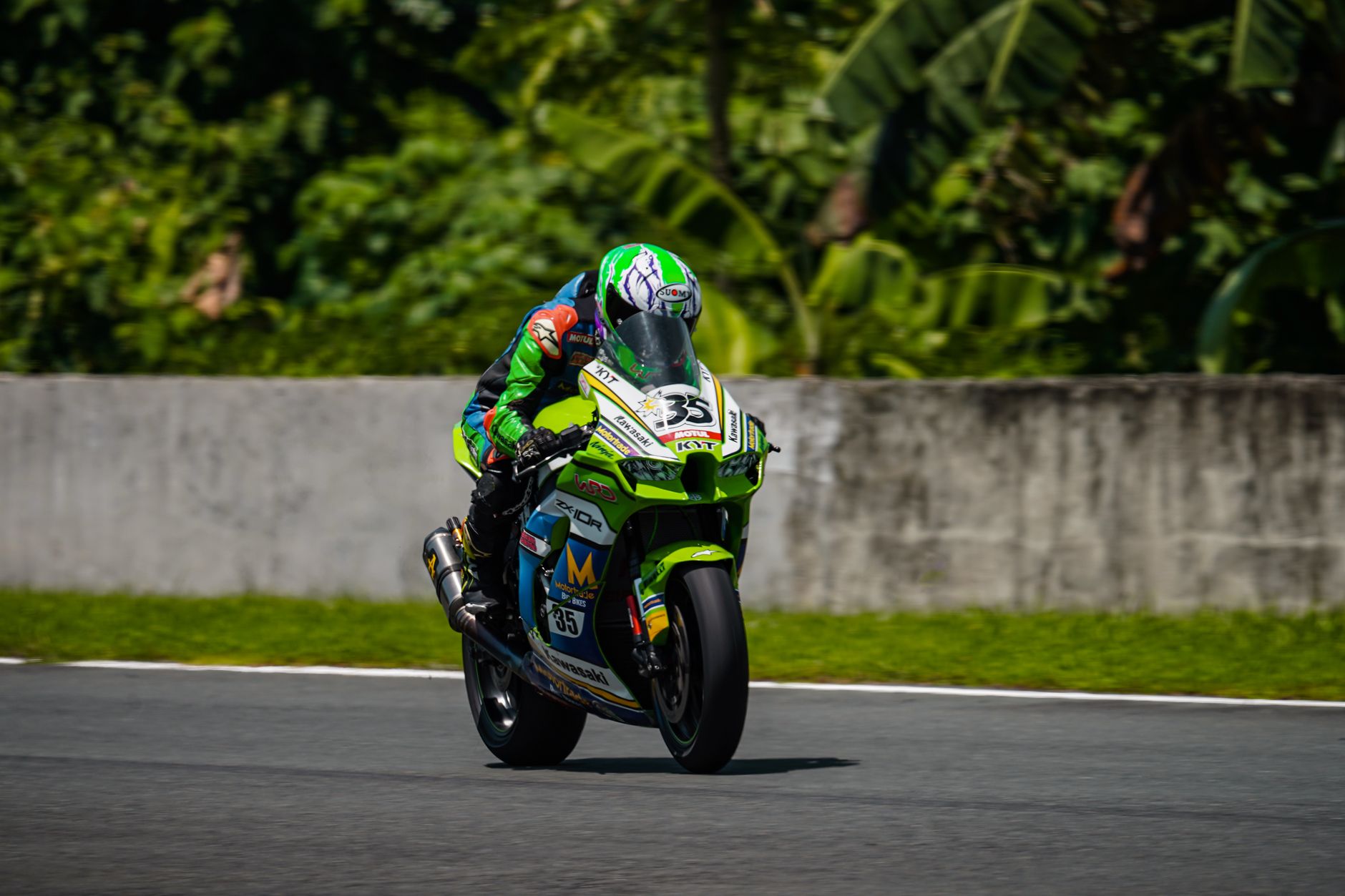
It has been reported that at this weekend’s World Superbike Championship (WSBK) round in Portugal, the Supersport (SSP) class produced what organizers and outlets called the first-ever round victory for a Chinese motorcycle manufacturer, breaking a decades‑long dominance by European, American and Japanese brands. The win grabbed headlines not just for the result but for what it symbolises: a domestic maker stepping onto a global stage where foreign marques have long set the pace.
The man behind the machine
The rider and founder at the centre of the story is Zhang Xue (张雪). Born in 1987 in a small mountain village in Huaihua, Hunan, Zhang’s rise reads like a startup case study—mechanic’s apprentice, factory builder, brand founder, world-stage contender. But what has resonated beyond the trophy is his persona: reportedly blunt, foul-mouthed at times, uninterested in polished PR or grand visions. Colleagues even bought him a palm‑sized desk placard that reads “别吼” (“don’t shout”), a small emblem of an unvarnished leadership style that refuses fashionable framing.
Why the story matters
Why are we watching Zhang more than the podium? Because in an era of multi‑threaded lives—side hustles, content strategies, careful signaling—his single‑minded, no‑Plan‑B dedication feels almost anachronistic. It’s not just a personal drama. It’s also industrial: Chinese motorcycle brands have been shifting from utility to lifestyle products and taking share from imports. This rise occurs against a wider geopolitical backdrop—US‑China trade tensions and policy drives to upgrade domestic manufacturing—so every exported victory is read through both commercial and strategic lenses.
What it reveals about risk
Zhang’s story complicates the tidy success narratives we tell. He reportedly borrowed large sums—including, it has been reported, 1 million yuan from a landlord—to fund his gamble. That level of concentration can produce spectacular returns. It can also expose the human calculus behind risk: the loss of backup plans, the pressure of “all‑in” decisions, and why such lives are now simultaneously admired and rare. The win matters; but what lingers is the image of someone willing to live, and lose, without retreat.