14 Peaks, 41 Years: The Winter-Climbing Era That Wouldn’t Turn Back
Poland’s winter gamble becomes a national epic
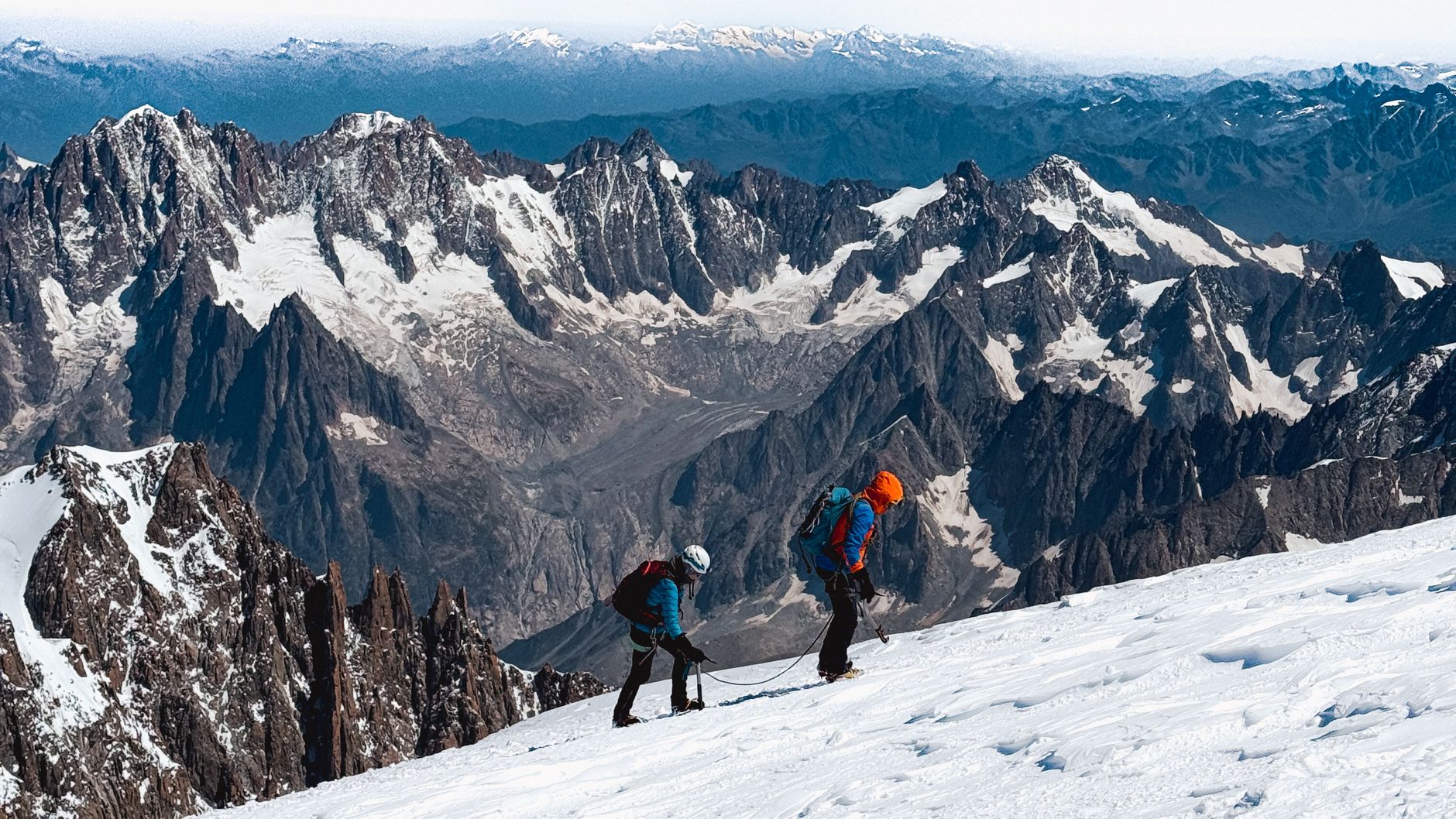
A new book, Winter Climb Era (《冬攀时代》) from The Commercial Press (商务印书馆), traces how human beings took 41 years—from 1980 to 2021—to complete winter ascents of the world’s fourteen 8,000‑metre peaks. The narrative centres on a striking historical twist: excluded from the post‑war “summer” first‑ascent rush by wealthier Western teams, Polish climbers turned the seasonal disadvantage into a national strategy. Why climb in winter — when temperatures fall below −50°C, oxygen is thin and avalanches and crevasses stalk every route? Because, the book’s author Ma Demin (马德民) argues, Poland’s geography and Cold‑War history bred a climbing ethic that treated winter as the only available frontier.
Poland’s so‑called “golden generation” — figures such as Krzysztof Wielicki and Jerzy Kukuczka — trained not on the Himalaya but on the modest but brutal Tatra Mountains. They improvis ed kit, accepted state‑backed collective missions and turned austerity into technique. The cost was high. It has been reported that some climbers were haunted by near‑missummits: in 1987, one veteran is said to have mistakenly stood on a subsidiary peak and spent decades trying to erase that error; he later disappeared in 2013 after what was reported as a successful corrective ascent. Others, like Kukuczka, who completed multiple winter ascents, died on subsequent climbs; their bodies remain on the mountains.
Philosophy, politics and the human toll
Winter ascents were never merely athletic feats. Ma frames them as a philosophical experiment in confronting uncertainty and mortality — a counterpoint to modern comfort and convenience. The book contrasts the Olympic pursuit of “higher, faster, stronger, together” with winter climbing’s more solitary, ascetic tests of endurance. Teamwork still often meant survival: the celebrated 16 January 2021 winter ascent of K2 (乔戈里峰) by a Nepali team, reportedly completed without supplemental oxygen and with ten climbers summiting almost together, was hailed as a closing chapter in that forty‑one‑year saga and a vindication of Sherpa leadership on the world stage.
Ma also looks ahead. He notes China’s mountaineering programme began later and admits a gap in high‑altitude tradition, yet points to growing domestic interest, better sponsorship and younger climbers tackling Alpine‑style winter routes. The book and its stories pose a blunt question to contemporary readers: what does it mean to seek certainty in an uncertain world? For Ma, the answer lies in the same three qualities he sees in climbers—autonomy, honesty and solidarity—lessons for a society facing its own “winters,” from technological disruption to social anxiety.