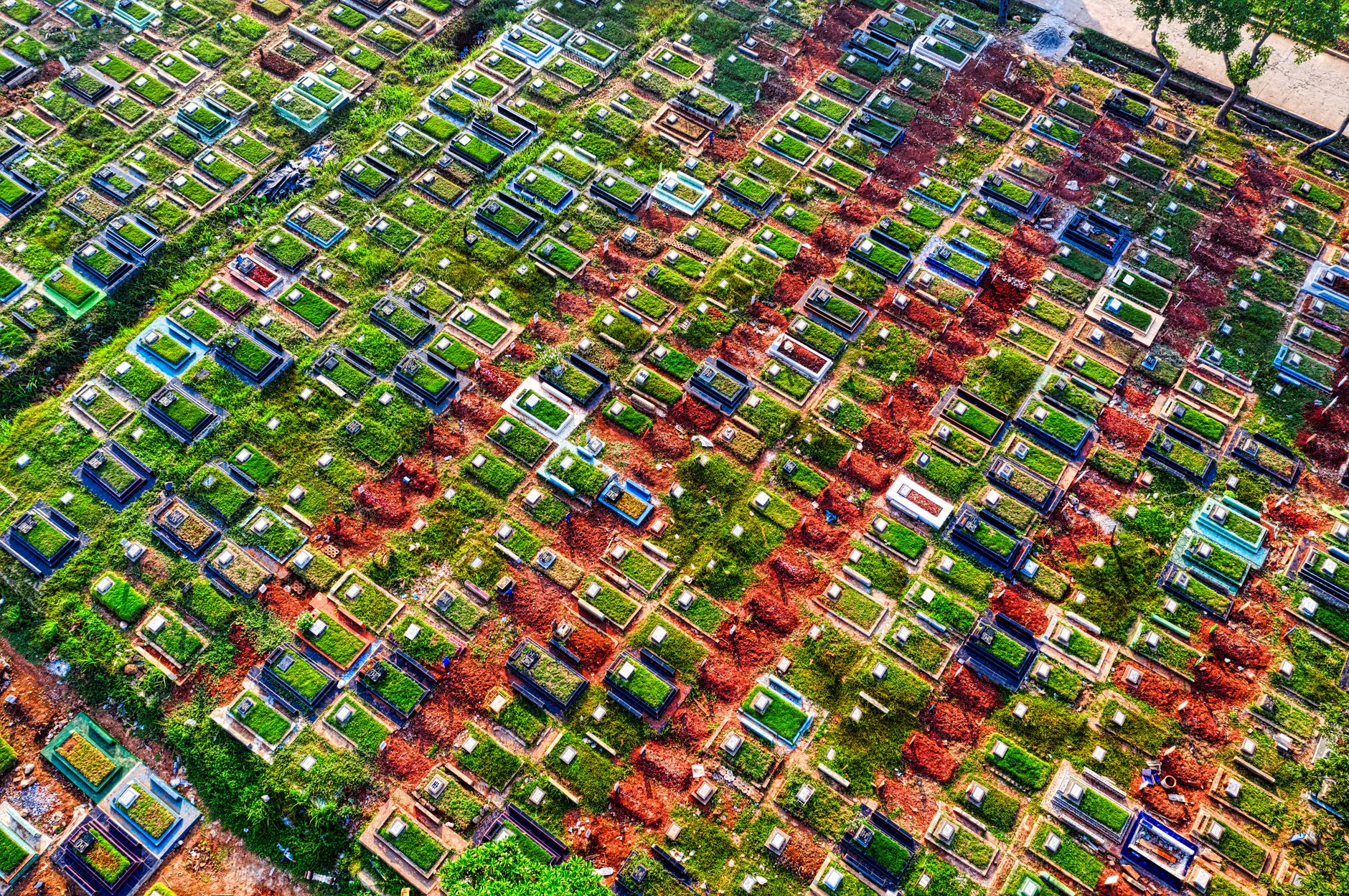
Chinese consumers are walking away from high‑priced burial plots
Listed firms hit as sales and prices plunge
A wave of weak results at funeral‑service companies shows a sector in abrupt retreat. Fushouyuan (福寿园), once a near‑HKD‑10 billion market darling, reportedly swung to its first half‑year loss since listing: it has been reported that revenue for H1 2025 fell about 44.5% to ¥611 million and the company recorded a ¥261 million net loss after a steep decline in sales and prices. Peer names such as Fucheng Co. (福成股份), Anxianyuan China (安贤园中国), Wantongyuan (万桐园) and China Life Group (中国生命集团) have likewise reported sliding revenues, sustained or renewed losses, or long‑running stagnation — despite China’s ageing population and a rising number of registered funeral businesses.
Demand is shifting, not vanishing
National Bureau of Statistics data show China’s crude death rate is near a 20‑year high (about 8.04‰ in 2025), and market supply has continued to grow. So what’s changing? The answer is consumer behaviour. Reportedly, average prices per grave for leading operators have tumbled: Fushouyuan’s average selling price fell from about ¥120,700 per plot in 2024 to roughly ¥63,400 in H1 2025, a drop of nearly 47.5%. Once‑astronomical listings — which industry commentators dubbed “underground real estate” or the “underground Maotai” because of 80–90% margins — now confront buyers who are increasingly unwilling to pay for ostentatious burial space. Even anecdotal reports of sky‑high listings (one Shanghai cemetery was reportedly priced at the equivalent of hundreds of thousands of RMB per square metre) have hardened public resistance.
Policy and culture are pulling the rug from under premium plots
Changing tastes are only part of the story. Central policy is pushing for reform. The 2025 Central No.1 document and local incentives have explicitly promoted ecological, low‑land‑use burials — sea burials, tree burials and subsidised cremation and interment — and some municipalities now reward families that choose them (reported local subsidies range from around ¥1,600–¥5,000 per set of remains in various pilots). Green alternatives, “bone‑room” storage and digital memorial services (Fushouyuan’s cloud platforms and apps have millions of users) offer lower‑cost, modern options that resonate with younger, cost‑conscious families. The question for investors and operators is blunt: can an industry built on scarcity rents reinvent itself fast enough, or will the era of high‑priced plots quietly end?