Reflections on Returning Home: Differences Between Cities, Industries, and Generations
A tour through China’s re‑opening life
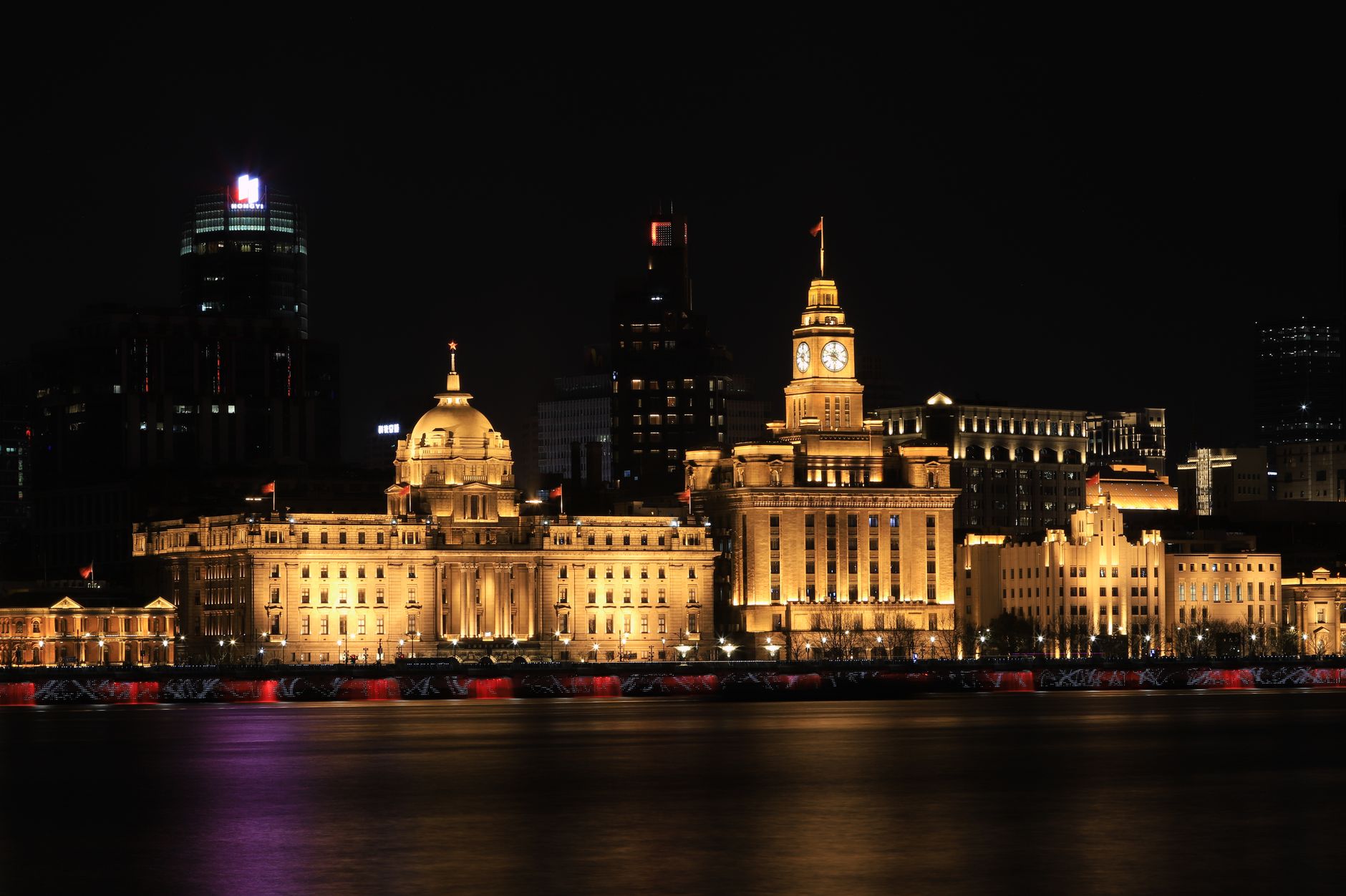
A Huxiu (虎嗅) columnist returning to China after years abroad sketches a country that feels both familiar and freshly rearranged: crowded book events in Shanghai (上海) with waterfront views, a packed business class that seems to have taken over entire train cars, and bookstore signings where friends show up with local delicacies like rabbit head. The scenes read like a social census — who’s back, who’s staying, and how they want to live. Post‑COVID mobility and a rebound in domestic events have accelerated encounters between returnees, long‑time residents and foreign visitors, producing moments that are equal parts convivial and revealing.
Pressure on service industries, visible on flights
One striking theme: frontline service workers are exhausted. The author reports that domestic flight attendants now deliver highly choreographed, high‑tempo service — constant smiles, frequent individualized checks in premium rows, and a raft of post‑flight 360‑degree evaluations. It has been reported that earlier civil‑aviation planning misjudged growth, leaving many newly trained crew with fewer flights and prompting airlines to tighten rules, ramp up internal scoring and make previously informal steps formal — measures that increase stress, not satisfaction. Flight training costs also keep turnover low, even as workload intensifies. Sound familiar? It’s an industry‑level snapshot of a broader trend: rule tightening without a clear reduction in work.
New economics of content and shifting urban desires
Not all sectors feel equally strained. The podcasting and creator scene appears healthier: platform commercialization — notably the rise of podcast platforms such as XiaoYuzhou (小宇宙) — has made content careers feel more sustainable. Creators are shrinking teams, favoring solo or project‑based contracts to avoid fixed payroll burdens and protect mental health. City differences are stark, too. The writer hears Beijing (北京) and Shanghai (上海) audiences as more anxious and career‑driven, while Hangzhou (杭州) and Chengdu (成都) skew more relaxed; Shenzhen (深圳) reads as efficient, well‑funded and youth‑oriented, though not without baffling local design choices. So what next? The columnist suggests — cautiously — that as marriage and childbearing become less universal pressures, more young people may prioritize life quality over megacity opportunity, potentially weakening the magnetic pull of China’s largest cities and diverging from urbanization models seen in the U.S. and Japan.