BYD (比亚迪): The Wolf Has Truly Arrived
Annual results and a tech salvo
BYD (比亚迪) posted muted 2025 results even as it doubled down on R&D. According to its 2025 annual report, revenue reached RMB 804.0 billion (up 3.5%) while net profit attributable to shareholders fell to RMB 32.62 billion (down 19%). The company poured RMB 63.4 billion into research and development and unveiled a string of headline technologies — from a “super e-platform” with a claimed peak charging power of 1 MW to a second‑generation Blade battery and a suite of autonomous and vehicle‑air systems — moves the company says will reshape buyer calculus. It has been reported that the March 5, 2026 announcement around second‑gen blade cells and flash‑charging significantly heightened consumer wait‑and‑see behaviour, helping explain weak early‑2026 sales.
Market mix, margins and overseas push
BYD’s mixed BEV/PHEV strategy — the “two legs walking in step” approach — explains its resilience but also the volatility of year‑to‑year sales mix. Historical data show repeated swings between battery‑electric vehicle (BEV) and plug‑in hybrid (PHEV) leadership; in 2025 BEV and PHEV volumes roughly split 2.256M to 2.289M. January–February 2026 deliveries plunged year‑on‑year (BEV −35%, PHEV −36.7%), a slump analysts link partly to buyers postponing purchases ahead of the new charging and battery tech. Charging infrastructure, oil prices and lithium‑carbonate cost swings remain structural factors that will determine which technology wins in which market — not least in countries where large‑scale fast‑charging rollouts are politically or logistically difficult.
Profitability, competition and geopolitics
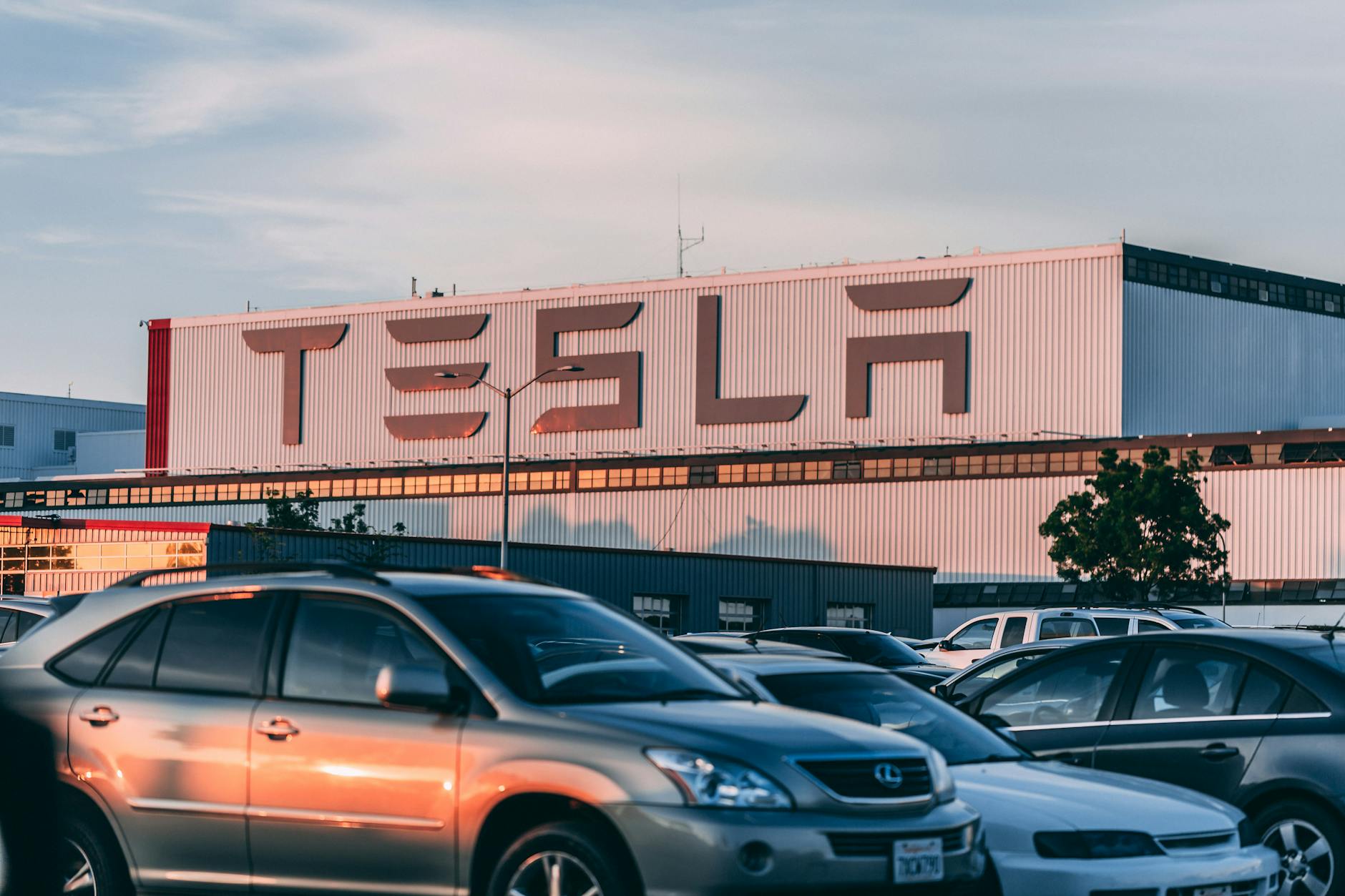
Despite the sales wobble, BYD widened its profit gap over Tesla (特斯拉) on core vehicle gross margins through 2023–25, even as both companies saw margin pressure. BYD’s export surge was the standout: exports jumped to about 1.046 million vehicles in 2025, led by Mexico, Brazil and several European and ASEAN markets. Reportedly, BYD’s overseas selling prices can be multiples of domestic prices — a pricing dynamic that has complex implications for reported profitability once taxes, shipping and dealer margins are included. Geopolitics matters too: export controls, tariffs and shifting trade policy in key Western markets could complicate BYD’s fast global push even as it seeks to monetize new battery and charging advantages.
Is the wolf truly here? BYD’s technological offensive and export momentum make a strong case, but near‑term sales softness and macro‑geopolitical headwinds mean execution, infrastructure build‑out and regional consumer preferences will decide whether that wolf becomes a global predator or a local champion.