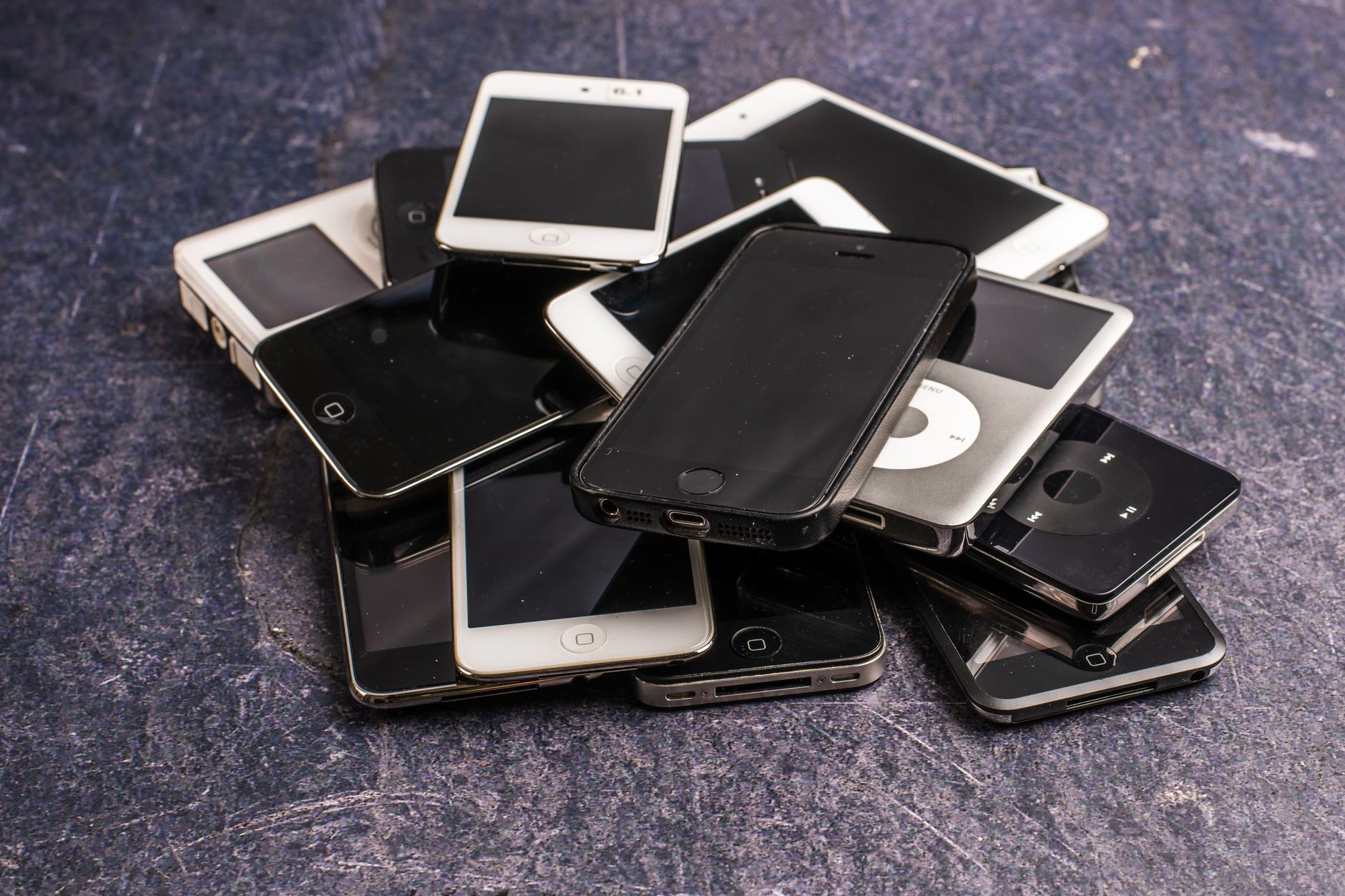
‘E‑waste’ iPhone 4 becomes a boomerang that backfires on AI aesthetics
Huxiu (虎嗅) reports that a surprising retro craze has gripped younger buyers: the 15‑year‑old iPhone 4 has surged in search and resale interest, even as it is functionally obsolete. It has been reported that GadgetHacks found search interest for the iPhone 4 jumped tenfold over the past year, and TechRadar reportedly showed a 979% rise in purchase queries. Why the sudden revival of a device with a 3.5‑inch screen, a 500‑megapixel rear camera, no 5G and an end‑of‑life OS? The short answer: a growing aesthetic backlash against hyper‑perfect, AI‑driven photography.
Why the lo‑fi look is winning again
The long answer lies in how smartphone imaging evolved. Over the last decade, computational photography—AI ISPs, multi‑frame fusion, aggressive denoising and sharpening—has made photos cleaner and more “correct.” But correct doesn’t always feel human. It has been reported that social‑media tests pitting iPhone 4 photos against shots from hypothetical modern flagships (the report cited a comparison with an “iPhone 17 Pro”) often favored the older phone. The iPhone 4’s tiny 1/3.2‑inch sensor, weak dynamic range and color casts introduce grain, blown highlights and soft focus—qualities viewers now read as mood, memory and “emotion.” What high‑end algorithms erase as flaws, some users now crave as authenticity.
The commerce of nostalgia
Design plays its part too. The iPhone 4’s glass‑steel “sandwich” and angular frame still read as iconic, and vendors have moved fast: it has been reported that traders are buying discarded units cheaply, refurbishing them and marking up prices dramatically—some listings reportedly charging up to 80× original scrap values. Sellers even preinstall classic games to sell an emotional package rather than a phone. This is a classic second‑hand market play: nostalgia plus scarcity equals margin. But buyers should be cautious before paying for a feeling.
Practical risks and wider context
Practicality is another matter. The iPhone 4 stays on iOS 7.1.2 with no security updates; it only supports 3G, and domestic networks are being phased to 4G/5G—so voice and data may not work. Batteries, drivers and app compatibility are all liabilities. In the broader context, China’s rapid adoption of 4G/5G and fierce local competition—shaped in part by trade tensions that have pushed both hardware and software innovation—helped normalize polished, AI‑enhanced imagery, creating the exact over‑perfection some users now resist. Reportedly, the trend reveals less about technical merit and more about cultural taste: sometimes imperfection is the point.