Passenger dies aboard BA flight — corpse reportedly left in heated galley for 13 hours
What happened on BA32
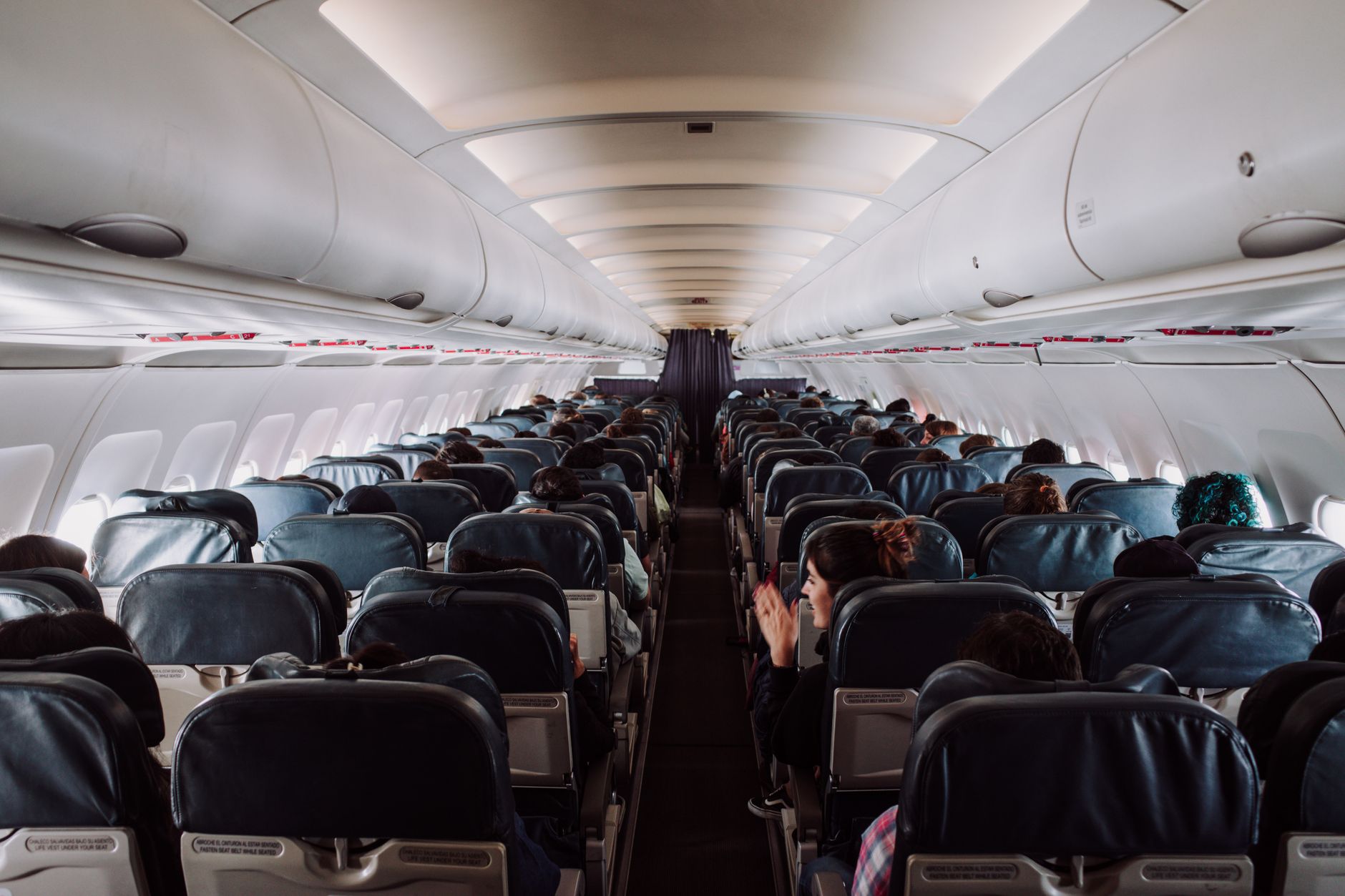
A passenger in his 60s died about an hour after British Airways (BA) flight BA32 departed Hong Kong for London, and it has been reported that crew wrapped the body and placed it on the floor of the rear galley. Passengers on the A350-1000 later complained of a strong odor; many avoided the back of the plane. Police boarded after the aircraft landed in London, passengers were held in their seats for roughly 45 minutes, and it has been reported that several cabin crew subsequently took trauma leave.
Why put a body in a food-preparation area? Reports say the galley floor of the A350-1000 has a heating function that was overlooked, meaning the body spent more than 13 hours in a warm space — accelerating decomposition and causing the smell that alarmed travellers. It has also been reported that British Airways currently has no single, published inflight protocol for handling a passenger death, a gap that has fuelled public outrage and media scrutiny.
Rules, decision-making and the grey zone in the air
The International Air Transport Association (IATA) issues non-binding guidelines: cover the body, keep it away from eating areas, or place it in an empty row behind a screen if possible. But industry sources and veteran crew note that full adherence is often impossible on full flights. Richard Havers, a former Europe deputy VP at a mainland carrier, wrote that finding space on a full aircraft is repeatedly cited as the main operational problem. It has been reported that cabin crew rejected an early proposal to lock the body in a lavatory as disrespectful.
Operational control matters. Veteran pilot and commentator @杉erP told reporters that diversion is not a single-pilot call; it’s made with the airline’s operations and can carry major fuel, customs and scheduling costs. IATA guidance also notes death does not automatically require diversion. Still, there is another layer: only a qualified physician can legally declare death. In the absence of medical staff, crews rely on presumptive criteria — a fraught “grey zone” that carries both medical and moral consequences.
Passengers and commentators are asking hard questions: Was this decision the most humane and safest option? Could crew training, clearer company protocols and better contingency planning have avoided this outcome? For many travellers the incident underscores how aviation operations, medical uncertainty and corporate cost calculus collide miles above ground — and how airlines must do better at protecting dignity and passenger welfare when the worst happens.