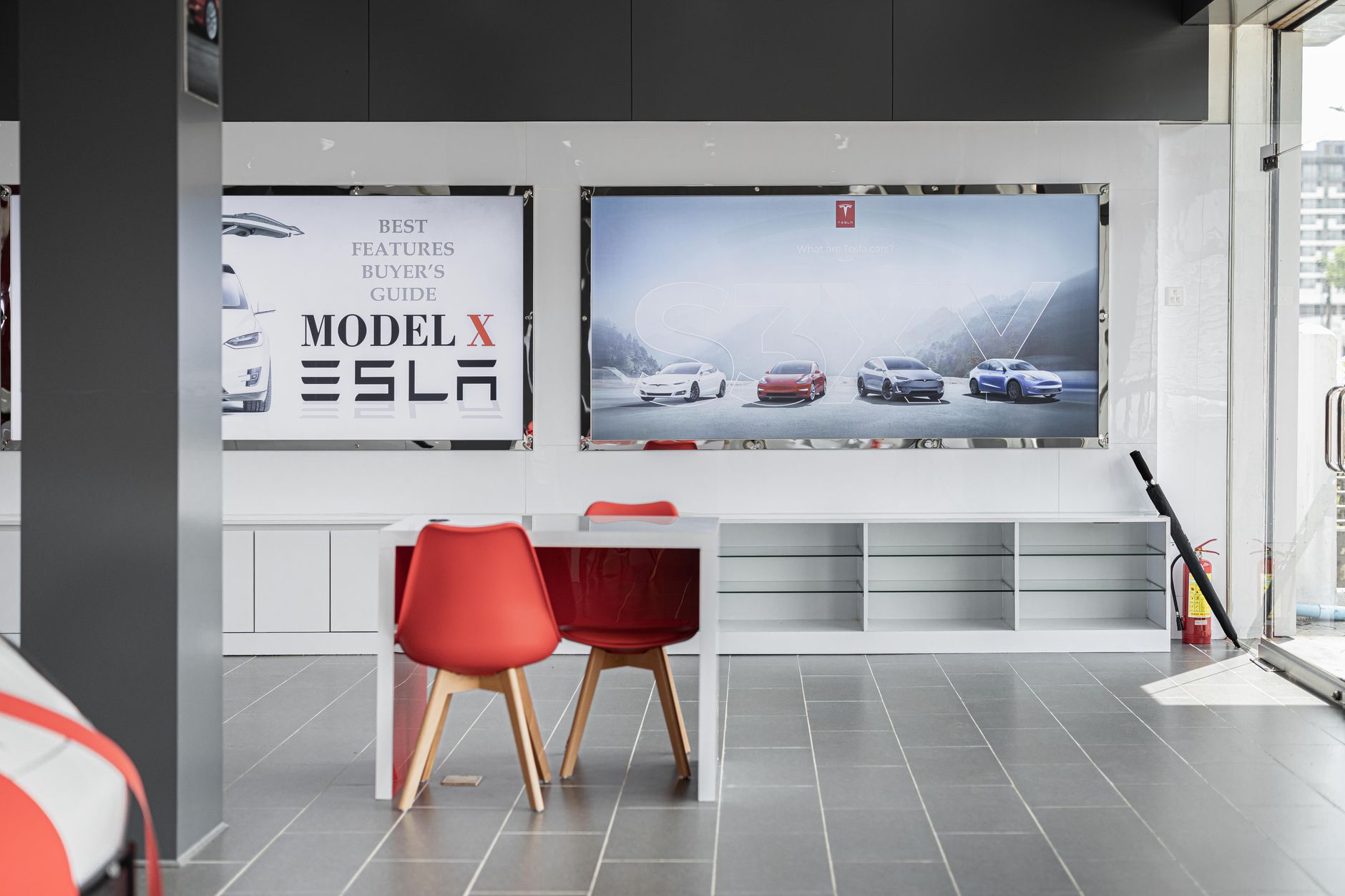
Chinese Electric Vehicles Enter Berlin, The German Automotive Industry's Dilemma is Just Beginning
Chinese EVs arrive in Berlin — a small share, a big signal
Chinese electric vehicles are now a visible presence in Berlin showrooms. It has been reported that one Chinese brand’s German sales rose several‑fold in 2025, though its market share remains roughly around one percent — small numerically, large in symbolic force. Why does this matter? Because Germany’s slow, oscillating electric‑vehicle strategy has left gaps that low‑cost, high‑feature Chinese models are eager to exploit.
Germany once leaned on large purchase incentives — the Umweltbonus — with consumers eligible for as much as €6,000 (a base €3,000 for battery EVs, €1,500 for plug‑in hybrids plus income‑linked top‑ups), and annual THG (greenhouse gas reduction) credits for EV owners. Those subsidies pulled forward demand, but when fiscal pressures forced rapid cuts in 2023–24, new registrations plunged in some months by nearly a third. The immediate lesson: German EV uptake proved heavily subsidy‑driven, not yet fully demand‑led.
A systemic squeeze: technology, supply chains and geopolitics
The bigger problem for Germany is structural. The country’s legacy strengths — engines, drivetrains, chassis tuning — are less decisive in a software‑defined, battery‑centric market. Batteries remain a critical weak point: Europe still depends heavily on Asian suppliers, and Berlin is now tying some support to local production and supply‑chain localisation to reduce that exposure. At the same time, investment in charging infrastructure and grid upgrades is accelerating, but consumers still complain about “finding a working charger” and slow public‑charging rollouts — practical frictions that blunt mass adoption.
Geopolitics compounds the squeeze. The United States is backing domestic EV and battery industries with industrial policy; China offers scale, low costs and rapid product iteration. German manufacturers face a two‑front challenge: compete with U.S. firms at the high end on software, ADAS and ecosystems, and fend off Chinese pressure on price and specification in the mainstream. Trade policy, investment screening and subsidy rules will increasingly shape who gets to play where. Can Germany move from tactical subsidies to a stable, credible industrial transition? The answer will decide whether its storied auto sector remains a leader or becomes a high‑cost niche in the global EV race.