Dubai's veneer of invulnerability is cracking
The incident and immediate fallout
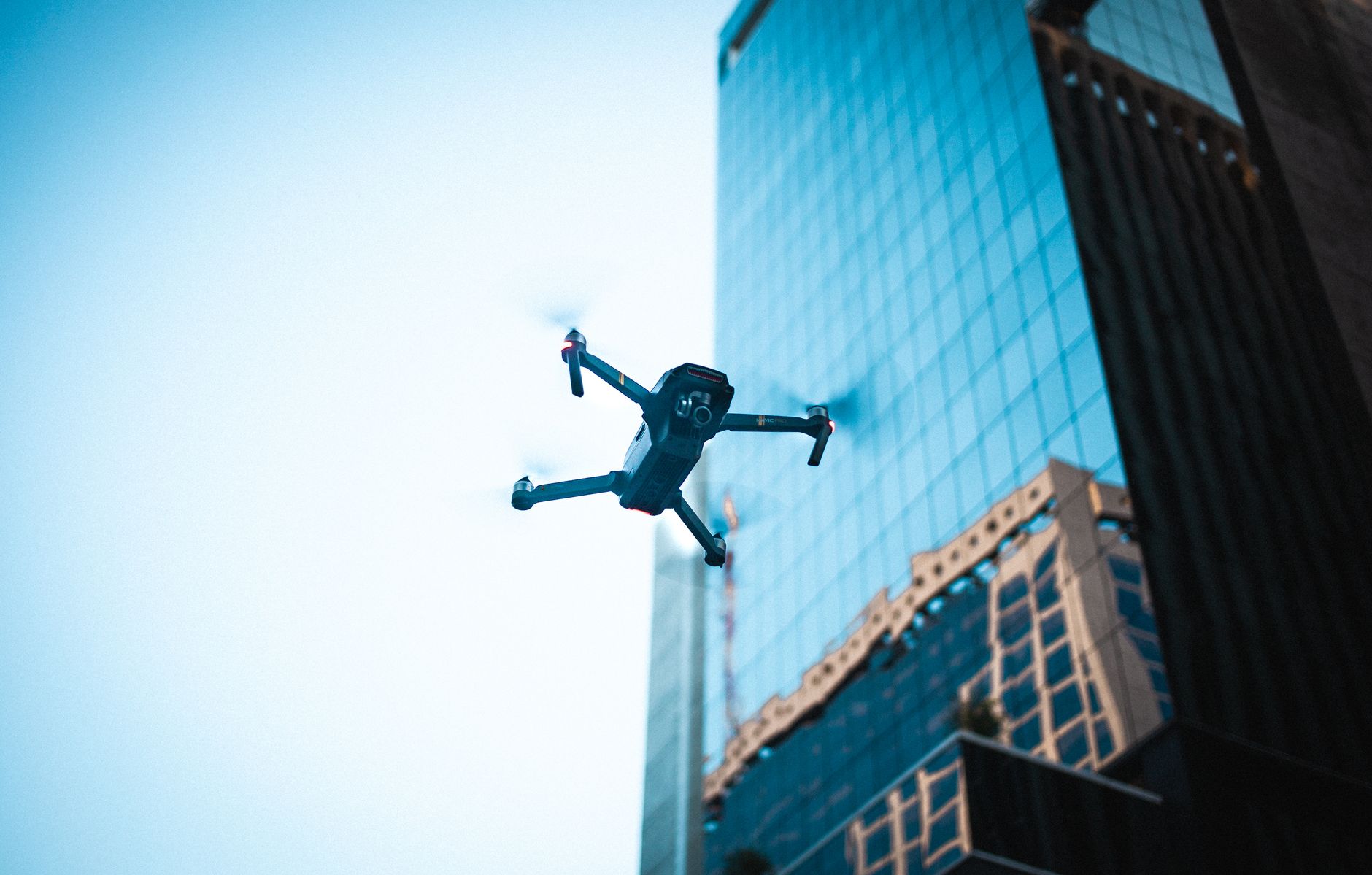
It has been reported that fragments from an intercepted drone struck a building in the Dubai International Financial Centre (DIFC), triggering alarms and a wave of anxiety among office workers. Security forces have reportedly been conducting spot checks on phones and detaining people who posted footage or commentary about the strikes. For residents and expatriate business owners who long touted Dubai as a neutral, ultra‑safe trading hub, the sudden reality of flying debris and audible explosions has been a shock.
From boomtown spectacle to jittery marketplace
Dubai’s global rise was built on spectacle: Palm Jumeirah, the Burj Khalifa and huge developments that turned a desert outpost into a megacity and an aviation hub. Dragon City (龙城) — a 1.2‑kilometre complex of some 4,000 shops that became a lifeline for Chinese exporters to the Middle East and Africa — symbolizes the city’s open‑for‑business model. It has been reported that long‑time traders, who once squeezed into shared rooms and rode boom cycles to prosperity, are now weighing exit plans as foot traffic and insurance of safety evaporate.
Economic and geopolitical ripples
Tourists and wealthy clients have reportedly chartered private flights to leave, and footage of debris striking luxury neighbourhoods circulated before authorities moved to limit its spread. Dubai International Airport has long been one of the world’s busiest international hubs, but the city’s core selling point — a premium on stability that justified risk and thin public services — is under strain. The broader reality: regional warfare, sanctions and shifting Western–Gulf alignments mean no Gulf emirate is immune to spillover. For foreign firms and Chinese merchants operating there, supply chains and asset valuations are suddenly exposed to a new form of geopolitical risk.
What to watch next
Will Dubai restore the safety premium that underpinned two decades of rapid growth, or will merchants and investors quietly redeploy capital elsewhere? For Western readers and investors unfamiliar with the local ecology: this is not simply a tourism shock. It is a test of Dubai’s model — low taxes and high‑profile projects supported by a fragile social compact — and a reminder that geopolitical shocks can quickly erode even the most tightly marketed havens.