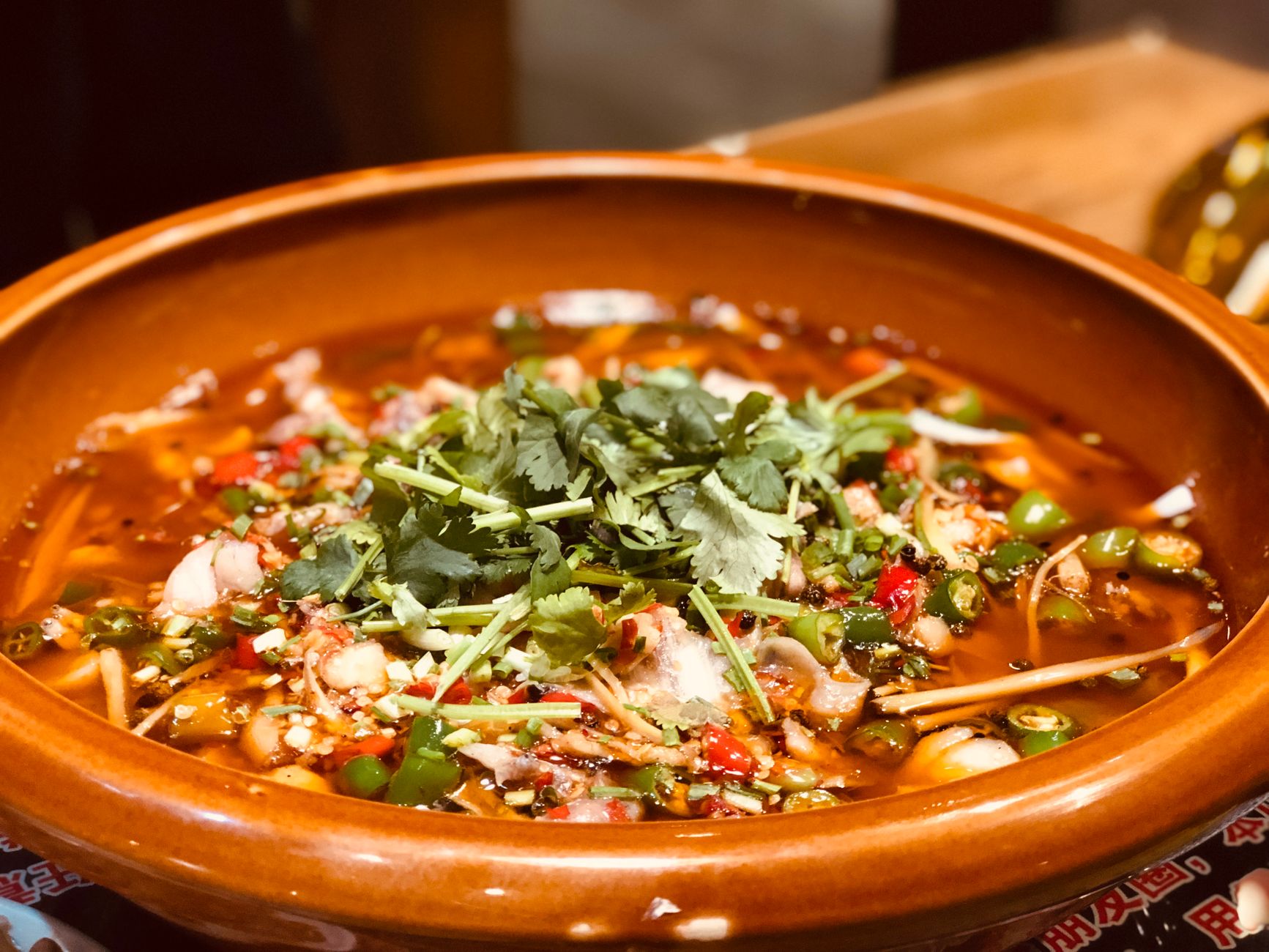
A snack-school taught me “technology and tough work.” A bowl of malatang reportedly contains 16 kinds of aroma agents
The lesson: recipes as chemistry
A Huxiu (虎嗅) feature, citing a NetEase Qingliu Studio (网易清流工作室) report, describes a snack-training chain called Shi Weixian (食为先) where students spend more time weighing and mixing industrial flavoring agents than learning knife skills or heat control. The author says the classroom feels like a chemical storeroom: shelves stacked with tubs and bottles labeled “Meat Fragrance King,” “Aroma Powder 3A,” “Bone Granules” and dozens more. According to the article, a single Sichuan malatang (麻辣烫) broth can contain at least 16 separate “aroma agents,” while other street staples showed 14 or 9 different additives respectively.
How the industry reportedly works
It has been reported that Shi Weixian claims 72 branches and more than one million alumni nationwide — figures that, if accurate, imply these additive-heavy playbooks may have been copied across thousands of stalls and small restaurants. Trainees are given precise recipes down to the gram and spend hours at an electronic scale combining concentrated pastes, powders and oils that the writer says leave persistent smells on skin and create intensely engineered, “invasive” flavors. Wholesale markets and ingredient suppliers visited by the reporter reportedly sell a wide catalog of tailored products — from “hot‑pot aroma pastes” to “snail noodle stench enhancers” — aimed at making food taste more addictive and delivering quick customer retention.
Why it matters
Is this just modern culinary efficiency — or a regulatory blind spot? The Huxiu piece frames the phenomenon as an industrialisation of street food flavor, driven by fierce competition: a vendor told the reporter that not using these additives is to “lose repeat customers.” That market pressure collides with long‑standing public concern over food safety and transparency in China, where regulators periodically crack down on illegal additives but many branded industrial condiments remain legal and widely used. The article stops short of health claims; it reports composition and prevalence rather than toxicology, leaving unanswered questions about long‑term exposure and labeling.
Bigger picture
This is not merely a food story. It speaks to how low‑cost franchising, recipe IP and supply‑chain products are reshaping China’s small‑business foodscape — turning culinary craft into scalable, repeatable “technology.” Reportedly, the training chain also licenses dozens of branded concepts to graduates and supplies core ingredients and equipment for a fee, blurring lines between education, franchising and ingredient distribution. For consumers and regulators abroad trying to understand what’s on their plate, the piece is a reminder: taste is now a manufactured product as much as it is a tradition.