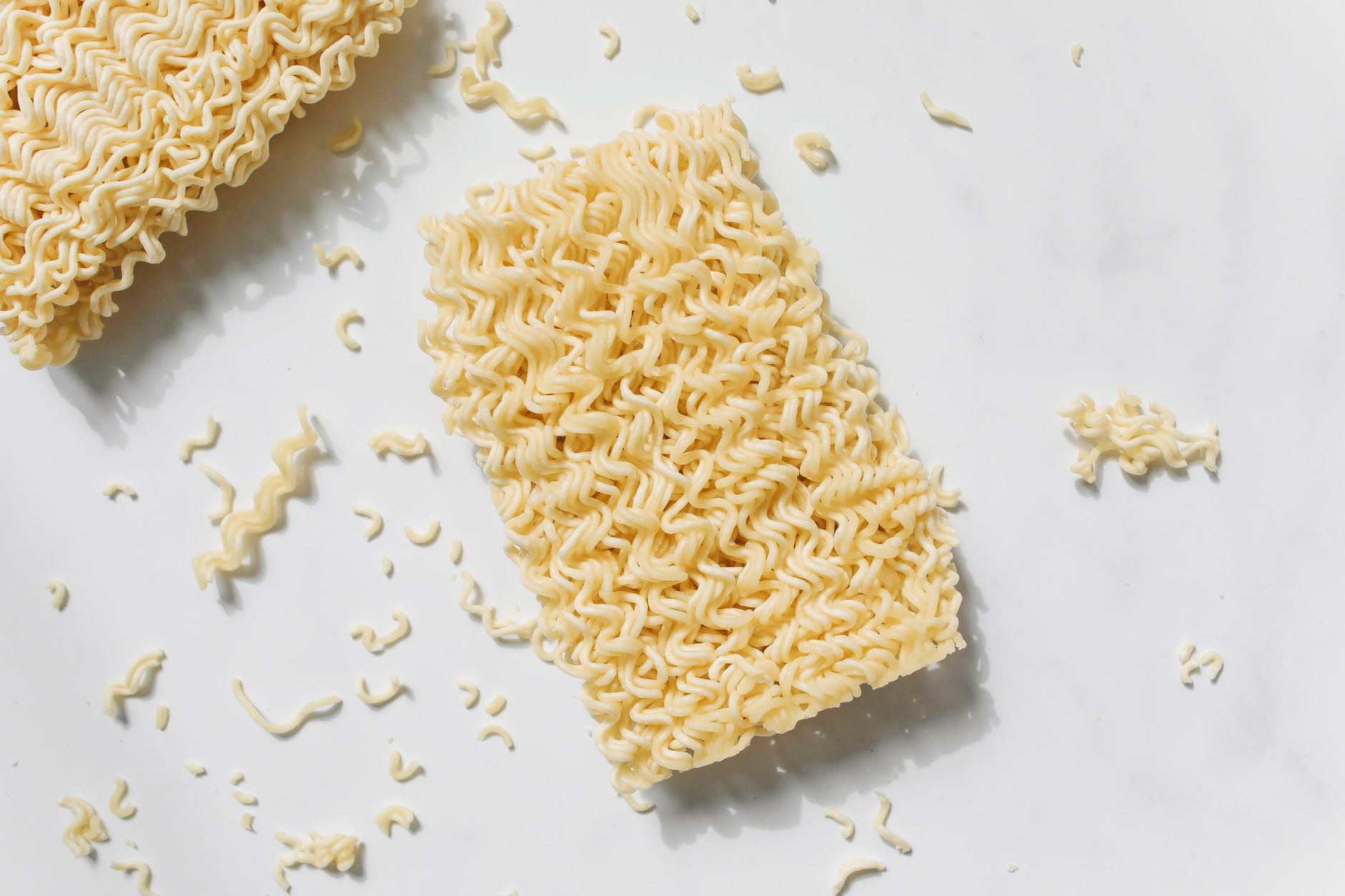
If a bowl of luosifen (螺蛳粉) doesn't need to be cooked, what level of joy would that be?
Instant luosifen's paradox
Luosifen (螺蛳粉) has gone from a regional specialty in Liuzhou (柳州) to a national obsession. It has been reported that Liuzhou Municipal Commerce Bureau (柳州市商务局) data show the full luosifen industry chain brought in RMB 669.97 billion in 2023 and climbed to RMB 813.1 billion by 2025, even as global instant‑noodle consumption — monitored by the World Instant Noodles Association (WINA) — topped 1.2 trillion servings in 2024. So why hasn't a truly convenient "pour‑and‑eat" luosifen become as dominant as instant noodles?
Texture, toppings and the limits of “just add hot water”
The problem is technical as much as cultural. Traditional rice noodles are dense and need 10–15 minutes of boiling to regain the Q‑elastic texture fans expect; early makers such as Jialiu (家柳) experimented with the idea decades ago, reportedly producing only a few hundred packets a day in simple market‑floor factories. Attempts to make the noodles finer or thinner speed hydration but sacrifice bite. And what about the mountain of toppings — pickled bamboo shoots, tofu skin, peanuts and the signature pungent broth? Consumer Reports (《消费者报道》) found that many pour‑and‑eat products compromise on ingredients and aroma: crunchy items sog, flavor compounds that require sustained heat don’t fully release, and soups taste “thin.”
Where demand and tech meet
Despite the compromises, pour‑and‑eat luosifen has grown into a sizable segment — one that exploded online during the 2020 surge when the category became a “hard currency” item sold out across platforms. Sales data and midnight social media confessions show consumers crave both convenience and authenticity: some will wait the 15 minutes to cook, others will accept a quick fix. The question now is whether manufacturers can close that gap with new drying, pre‑gelatinization and packaging technologies that preserve noodle structure and keep toppings texturally satisfying. Can engineering replicate the bowl from a Liuzhou street stall in three minutes? Not yet. But the market, the money and the appetite are certainly pushing the industry toward an answer.