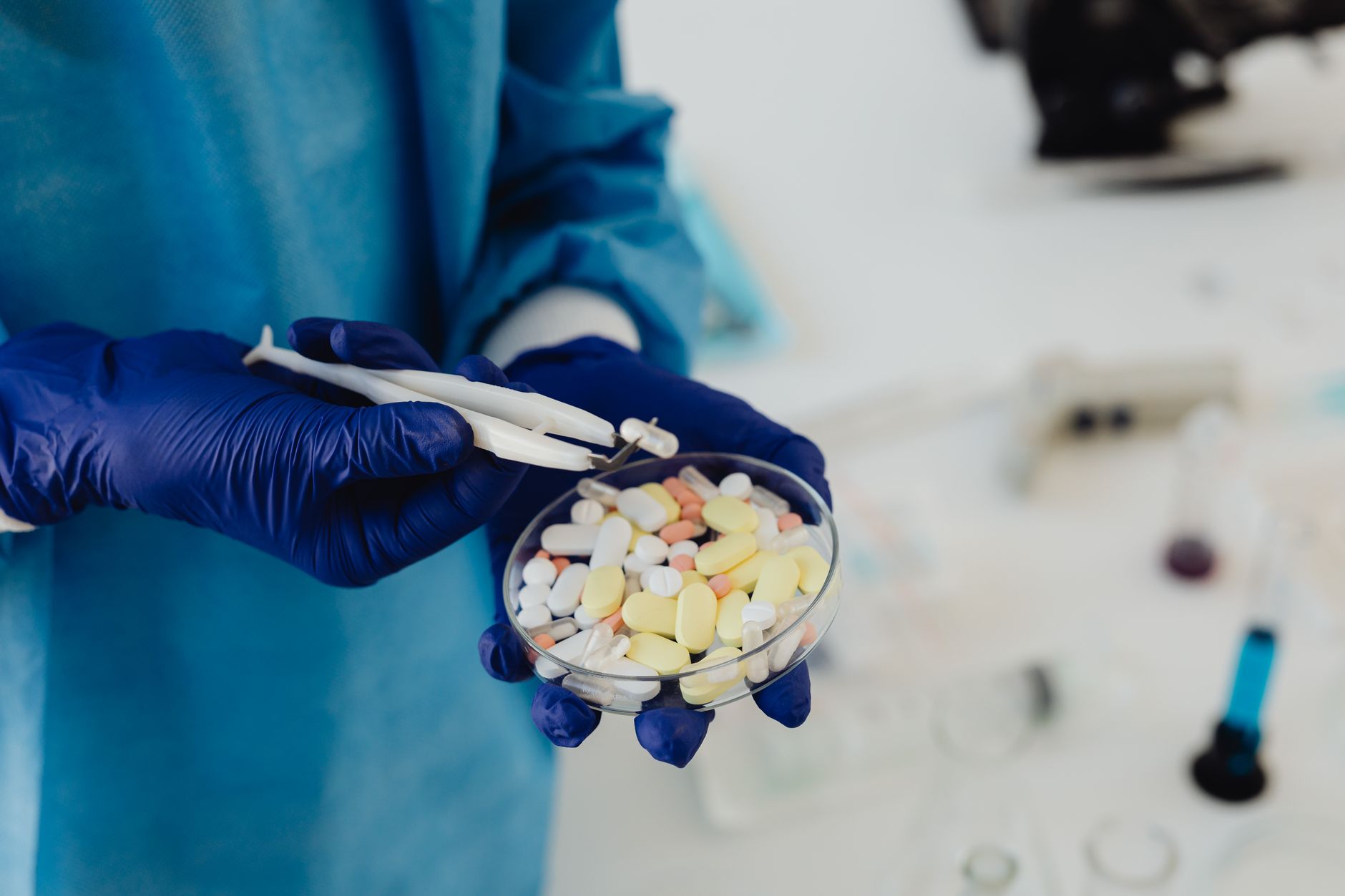
A miraculous drug sold for 15.2 billion
The headline deal
It has been reported that a so‑called "miraculous" drug in China has changed hands for ¥15.2 billion (roughly $2.1 billion), according to Huxiu (虎嗅). Details remain opaque: the buyer, seller and exact terms of the transaction were not disclosed in the initial report, and regulatory filings have yet to corroborate the headline figure. Reportedly, the asset attracted a feverish bidding environment after early clinical results and aggressive media coverage positioned it as a breakthrough treatment.
Why the price matters
Why would a single drug command such a price? China's biopharma market has been on a tear since regulatory reforms at the National Medical Products Administration (NMPA) sped up approval pathways and opened the door to bigger domestic deals. For investors and corporate buyers, a late‑stage compound with promising data can look like a shortcut to market share and margin. But high prices also raise familiar questions: is the premium justified by robust trial evidence, or are buyers chasing hype?
Wider context and risks
This deal sits at the intersection of finance, science and geopolitics. China’s biotech boom has been fuelled by venture capital, state support and an appetite for homegrown treatments amid strained U.S.–China relations and tighter controls on some kinds of cross‑border technology transfer. That geopolitical backdrop makes domestic consolidation attractive, but also increases scrutiny: pay too much and firms risk writedowns; pay too little and they may lose access to critical expertise. It has been reported that observers are now watching regulators and hospitals closely for guidance on pricing and reimbursement, since the ultimate value of any drug depends on approval and real‑world adoption.