Saying Goodbye to Huaihai 755 and Meeting at Zhang Garden: Recent Moves by MUJI
Closure of an icon
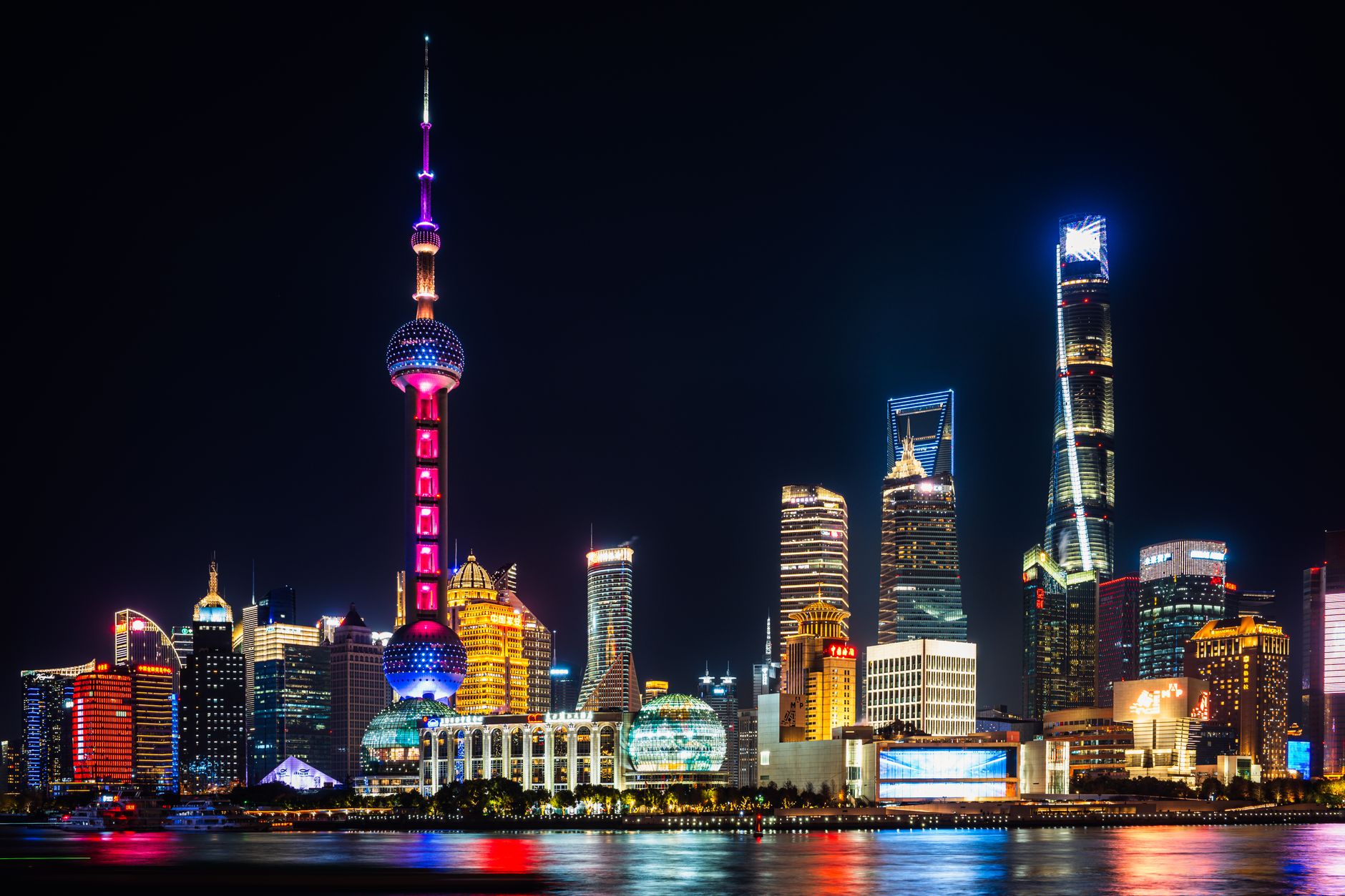
MUJI (无印良品) has quietly closed its Huaihai 755 world flagship in Shanghai — a store many Shanghainese had come to treat as part of daily life. Designed by 杉本贵志 and opened more than a decade ago as one of the brand’s largest global outlets, the 11‑year run reached a natural update point. It has been reported that a pared‑back farewell poster moved shoppers, and that the outgoing “再见” on Huaihai Road is being answered by new signage reading “在张园见” as MUJI prepares a presence in Zhang Garden — a gesture that feels like a promise rather than an end.
Expanding and localizing in China
MUJI is not retreating from China. Reportedly, a Xujiahui New 600 YOUNG city flagship will open soon while a Zhang Garden experiential store is under construction. Those moves sit alongside store refreshes elsewhere: Chengdu’s Taikoo Li flagship was renovated with local bamboo motifs and craftspeople; a Hangzhou shop reused old timber and introduced a Gelato concept CaféMUJI using local ingredients. The company says it added four stores in mainland China in Q1, bringing its tally to 426 — part of a stated “open new stores, open big stores” strategy.
Why this matters
Why mourn a store closure? Because MUJI’s appeal in Chinese cities has never been only about products. Its restrained design, low‑contrast palette, and carefully staged quietness create what customers describe as a pressure‑free space — “like water and air,” as an earlier campaign put it — and that experiential trust is a slow‑built asset. Against a backdrop of fierce domestic competition and broader geopolitical trade tensions that complicate supply chains for foreign retailers, MUJI’s continued investment in large, localized flagship experiences signals a deliberate bet on in‑person retail and on deepening ties with Chinese consumers.