Being Pursued by the "Strongest Prefecture-Level City", How Can the "First Provincial Capital" Maintain Its Position?
A strategic move: twin airports as a defensive play
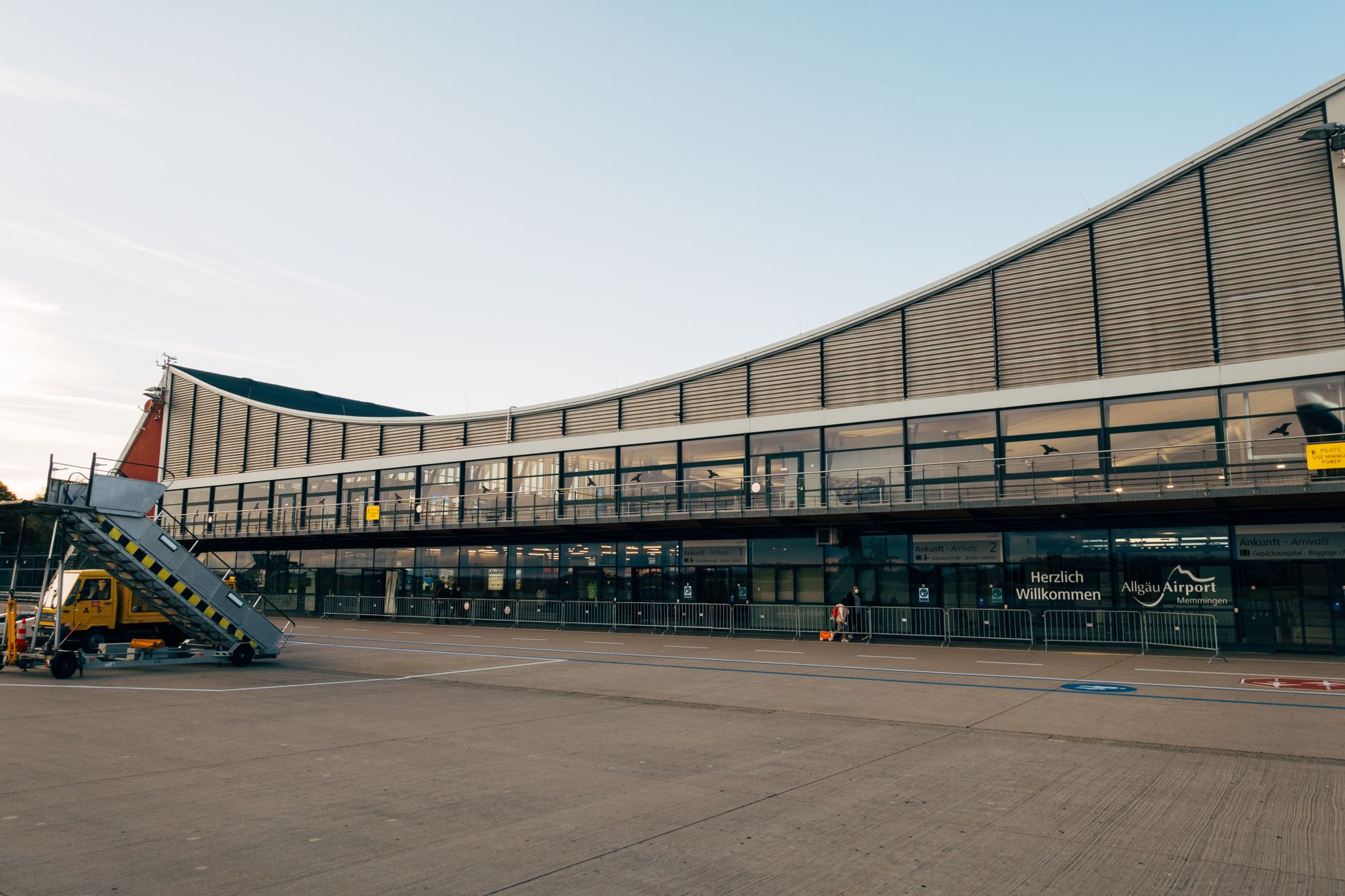
Guangzhou (广州) broke ground on a new airport in Foshan Gaoming (佛山高明), a project reportedly costing more than CNY 40 billion and designed to handle about 30 million passengers a year. Paired with Baiyun International Airport (白云国际机场) to the north and west, the city now joins Beijing, Shanghai and Chengdu as a “double‑airport” metropolis — a configuration global gateway cities use to scale passenger, cargo and logistics capacity. Why build another airport? Because infrastructure can be a quick, visible lever to protect and amplify a city’s hub function in the face of rising regional challengers.
The scoreboard: recovery, but not a rout
Guangzhou’s early‑year data show signs of repair: industrial added value for large firms rose 5.6% in January–February, new‑energy vehicle output jumped 35.5% and retail sales surged, yet first‑quarter GDP growth slowed to 3.0%. It has been reported that these gains are partly a base‑effect rebound rather than an outright re‑acceleration. By contrast, Suzhou (苏州) posted a much stronger industrial tempo — 10.2% growth in the same period — and is stacking hard‑tech wins in integrated circuits, industrial robots and an AI/digital cluster that it has been reported reached CNY 120 billion in output in Suzhou Industrial Park. Some analysts even say Suzhou could overtake Guangzhou around 2030 if current trends persist; it has been reported that this view rests on Suzhou’s deeper manufacturing base and higher industrial share of GDP.
The strategic choice: hub versus maker
Guangzhou’s answer so far is twofold: double down on its hub strengths — aviation, logistics, finance and services — while trying to graft a stronger manufacturing backbone. The city’s “Advanced Manufacturing Strong City” plan (2024–2035) aims to double industrial added value and overall GDP by 2035. It has been reported that leaders want more than marquee projects; they want a “big firms up top, dense SMEs beneath” ecosystem that can fill supply‑chain gaps in EVs, biotech and aerospace maintenance around the airports. That push sits in a delicate geopolitical context: U.S. export controls and broader supply‑chain realignments have elevated the strategic value of domestic semiconductor and advanced‑equipment capacity — precisely the strengths Suzhou is leveraging.
Can airports and policy be enough?
Infrastructure and policy can buy time and attract capital. But can a twin‑airport strategy plus industrial plans turn repair into re‑ascendancy? Guangzhou still holds clear advantages in services, education and international connectivity. Yet the contest with a lean, manufacturing‑first Suzhou underscores a broader question facing Chinese cities: will the future belong to hubs that radiate services, or to regions that master the industrial stack end‑to‑end? The race is on — and the prize is a place among China’s next generation of urban heavyweights.