Fashion supply‑chain crisis under the shadow of war
War at sea stokes a new logistics shock
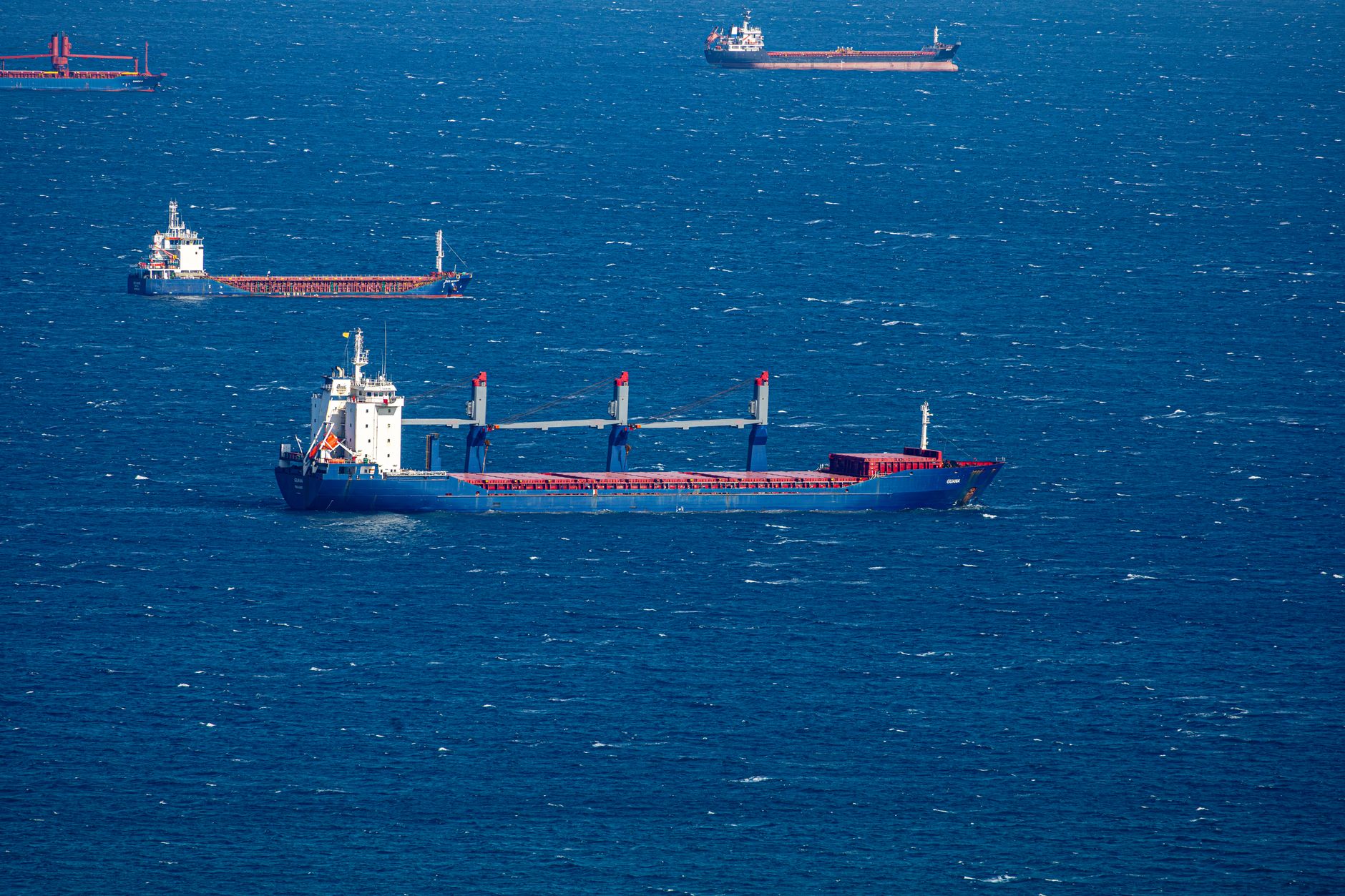
A spike in maritime risk tied to the Middle East conflict is compounding an already fragile global fashion supply chain. Shipping through the Red Sea has become perilous after repeated attacks on commercial vessels, and it has been reported that carriers and insurers have responded by adding war‑risk surcharges or rerouting ships around the Cape of Good Hope. The result: longer transit times, higher freight costs and squeezed margins for fast‑moving apparel brands that built their models on “just‑in‑time” deliveries.
Factories and raw materials feel the squeeze
Garment manufacturers from Bangladesh and Vietnam to Turkey and coastal China are now facing delayed inbound inputs and unpredictable lead times. Energy and commodity price volatility — amplified by broader geopolitical tensions, including sanctions on Russia and trade frictions with the West — is pushing up the cost of synthetic fibers and logistics. Western retailers are under pressure to restock shelves ahead of peak seasons. Who absorbs the cost? Often the low‑margin suppliers and the factories closest to the production line.
Geopolitics forces strategic shifts
For Western readers unfamiliar with China’s role in apparel supply chains: Chinese manufacturers and trading firms remain central as component suppliers, contract makers and logistics providers. At the same time, decades of concentration in a handful of hubs are now being questioned. It has been reported that some brands are accelerating nearshoring and diversification plans — a trend the U.S. and EU have encouraged via trade policy incentives — but reshaping networks takes time and capital.
Short runs, longer headaches
The crisis reveals a blunt truth for fashion: speed is fragile. Short production runs and thin inventories worked when ports and seas were predictable. They do not work well under the shadow of war. Expect more delays, higher prices and louder calls from brands for resilience — and expect factories and consumers, especially in emerging markets, to bear much of the immediate pain.