China's electric two-wheelers are going overseas faster and easier
China’s factories are shipping the world’s scooters and e-bikes at scale
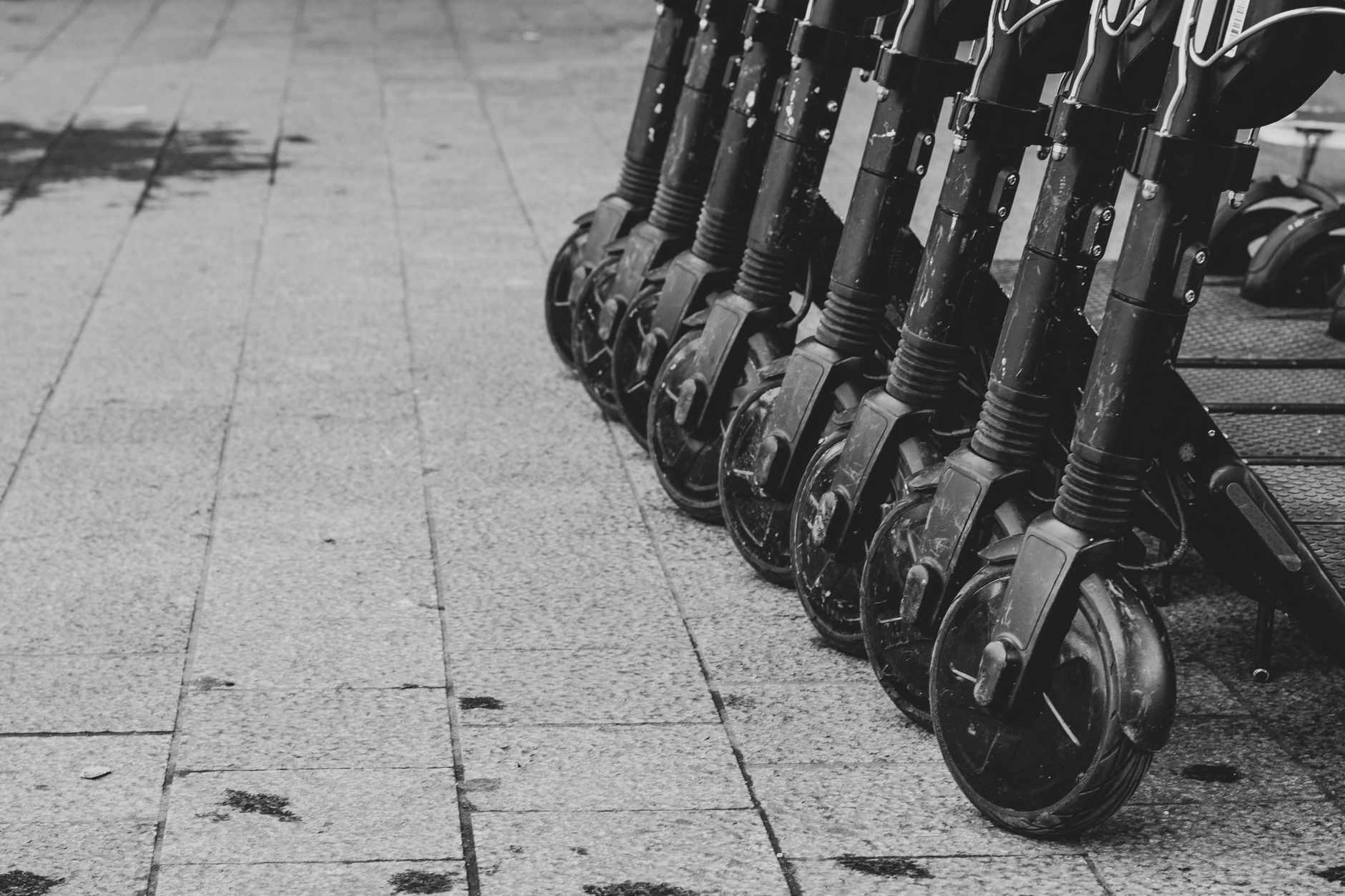
China — home to the world’s largest producer of electric two‑wheelers — is accelerating the export push for scooters and e-bikes. Manufacturers such as Yadea (雅迪), Niu (小牛电动 / Niu Technologies) and Aima (爱玛) are no longer just serving domestic commuters; they are actively targeting Southeast Asia, Latin America and parts of Africa. Reportedly, lower unit costs, standardized modular designs and mature battery supply chains mean these firms can undercut local models and move large volumes quickly. Shorter product cycles also help: new models go from factory floor to overseas shelf far faster than before.
Easier logistics, looser homologation in some markets
Several factors are smoothing the path abroad. Cross‑border e‑commerce and freight routes have improved since the pandemic. It has been reported that some recipient markets have eased type‑approval rules for low‑speed electric two‑wheelers, and that brands are using local distributors and light assembly hubs to avoid high tariffs and meet regional standards. Companies are also adapting hardware — simpler controllers, swappable battery packs and region‑specific lighting — to match local regulations and consumer habits. The result is a faster, lower‑cost market entry model that looks familiar to Western readers who have seen Chinese consumer electronics conquer global shelves.
Regulation and geopolitics will shape the next phase
But rapid expansion raises questions. Will safety standards, battery transport rules and environmental regulations follow the same pace? And what about geopolitics? While two‑wheelers have so far avoided the high‑stakes trade and technology sanctions aimed at semiconductors and telecoms, regulatory scrutiny over battery safety and quality could become a flashpoint. It has been reported that some jurisdictions are already tightening inspections. For Chinese makers, the strategy seems clear: move fast, localize where needed, and push scale. For governments and consumers abroad, the choice will be between cheaper, ubiquitous e‑mobility and the costs of enforcing higher standards. Which will win out?