Yunnan's output tsunami crushes blueberry "middle‑class fruit" premium
Price plunge: local surplus, national headlines
Blueberry prices have collapsed across China as Yunnan's rapid expansion turned a formerly niche "middle‑class fruit" into a staple. It has been reported that social‑media topics about a "blueberry price dive" repeatedly topped trends: half‑pint packs in Shenzhen fell from nearly ¥30 to ¥19.9, while producers in Yunnan's Chéngjiāng (澄江) were reportedly selling by the bucket and roadside stalls in small inland cities offered fruit for as little as ¥35–45 per jin. Why the sudden reversal? The blunt answer: supply — massive, mechanised, greenhouse production has removed the symbolic scarcity that once supported a premium.
Industrialisation, capital rush and the quality question
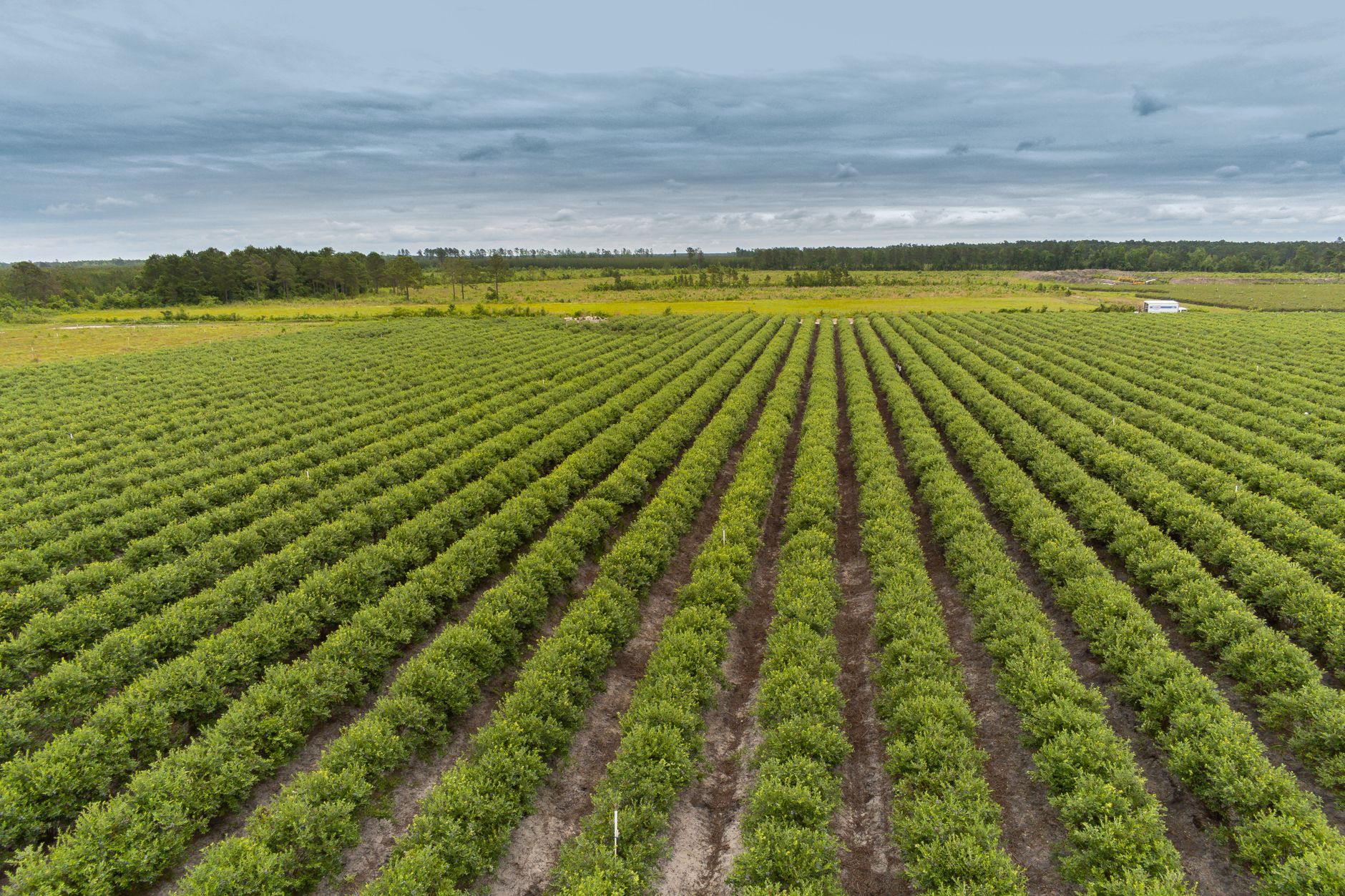
China has reportedly become the world's largest blueberry producer, with planting area and output surging in recent years as facility‑cultivation, substrate pots and sensor‑controlled irrigation pushed yields past traditional levels. That certainty attracted capital — international and domestic players poured into Yunnan's Red River (红河州) region — but expansion created a two‑tier market. High‑grade fruit still trades at a premium and moves through high‑end channels; the rest floods livestreams, markets and street stalls. There are also quality warning signs: growers chasing early or bigger fruit have allegedly used growth regulators, some plantations lack certified plant stock, and it has been reported that some blueberry bases are already being sold at steep discounts.
Choice ahead: quality preservation or commodity fate?
This moment echoes earlier episodes — the rise and fall of premium grapes such as "Sunshine Rose" (阳光玫瑰) and the very different path of domesticated avocados. Avocado localisation replaced imports in part because producers preserved freshness and picking standards; the grape collapsed when pursuit of yield eroded signature flavour. Will blueberries follow the grape into "commodity" territory or stabilise as a quality product? The answer will hinge on growers, buyers and supply‑chain decisions — and on consumers tired of paying for symbolic status. At base, what has been stripped away is not the fruit's nutrition but the social premium attached to it.