Growth-stage Xiaomi (小米) hit as rising memory prices squeeze margins; quarterly profits slump
Revenue up, profit down — and cars are the only bright spot
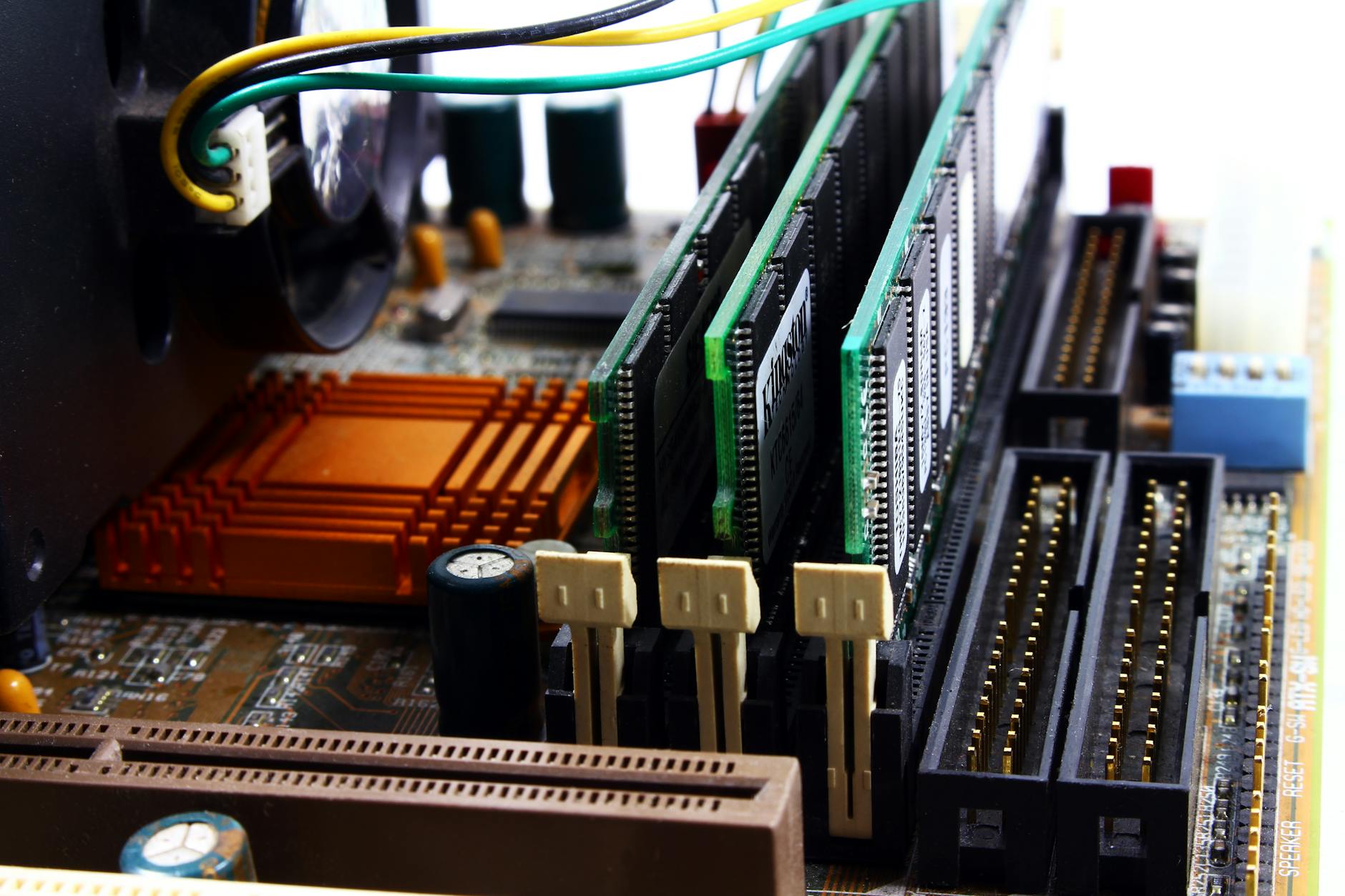
Xiaomi (小米) reported a mixed quarter: group revenue reached RMB 116.9 billion (1169亿元), up 7.3% year-on-year, but operating profit plunged 45% to RMB 3.2 billion (32亿元) from RMB 5.8 billion a year earlier. The growth came almost entirely from its car unit; traditional businesses—smartphones and home appliances & IoT (AIoT)—both contracted and dragged overall profitability. It has been reported that a sharp rise in core component costs, most likely memory chips, was a key culprit undermining handset margins, though Xiaomi’s filing did not spell out specific suppliers.
Cars: rapid scale-up, but input-cost risk looms
Xiaomi’s car arm delivered 145,000 vehicles in the quarter, generating RMB 37.2 billion (372亿元) in revenue and sustaining a healthy gross margin around 22.7%, remaining profitable for a second consecutive quarter. Annual deliveries hit 411,000, and management targets 550,000 for 2026 — a pace that puts Xiaomi close to established Chinese EV makers NIO (蔚来), XPeng (小鹏) and Li Auto (理想) on a short timeline. But margins face pressure: lithium, copper, aluminium and other commodity swings — and potentially rising memory prices for in-car electronics — could erode profitability even as volume grows. Can scale offset commodity cyclicality? That is the near-term question.
Phones, AIoT and the cost squeeze
Smartphone revenue fell to RMB 44.3 billion (443亿元), with shipments down to 37.7 million units and ASP slipping to RMB 1,176. Phone gross margin dropped from above 10% to 8.3% year-on-year. Home appliances & digital products (AIoT) revenue declined 20% to RMB 24.6 billion (246亿元), hit by subsidy rollbacks in China and fiercer competition. Reportedly, memory-price inflation was a key factor eroding smartphone margins and remains a risk for Xiaomi’s lower-priced models in 2026.
Strategy: high-end, overseas and heavy R&D — but will it be enough?
Management has doubled down on a twin remedy: push upmarket and accelerate international expansion — overseas store count is planned to rise from 4,500 to 10,000 and the company says foreign markets could be as large as six times China’s. Xiaomi is also ramping R&D, spending RMB 33.1 billion (331亿元) in 2025 and planning over RMB 40 billion in 2026, with five‑year cumulative R&D above RMB 200 billion to target AI, embodied intelligence and chips. Yet geopolitical and trade tensions that affect chip supply and memory-market volatility add an extra layer of uncertainty. High-end products and overseas brand lift can help, but can they fully offset rising input costs and subsidy declines? That will determine whether this quarter is an anomaly or the start of a tougher phase for Xiaomi.