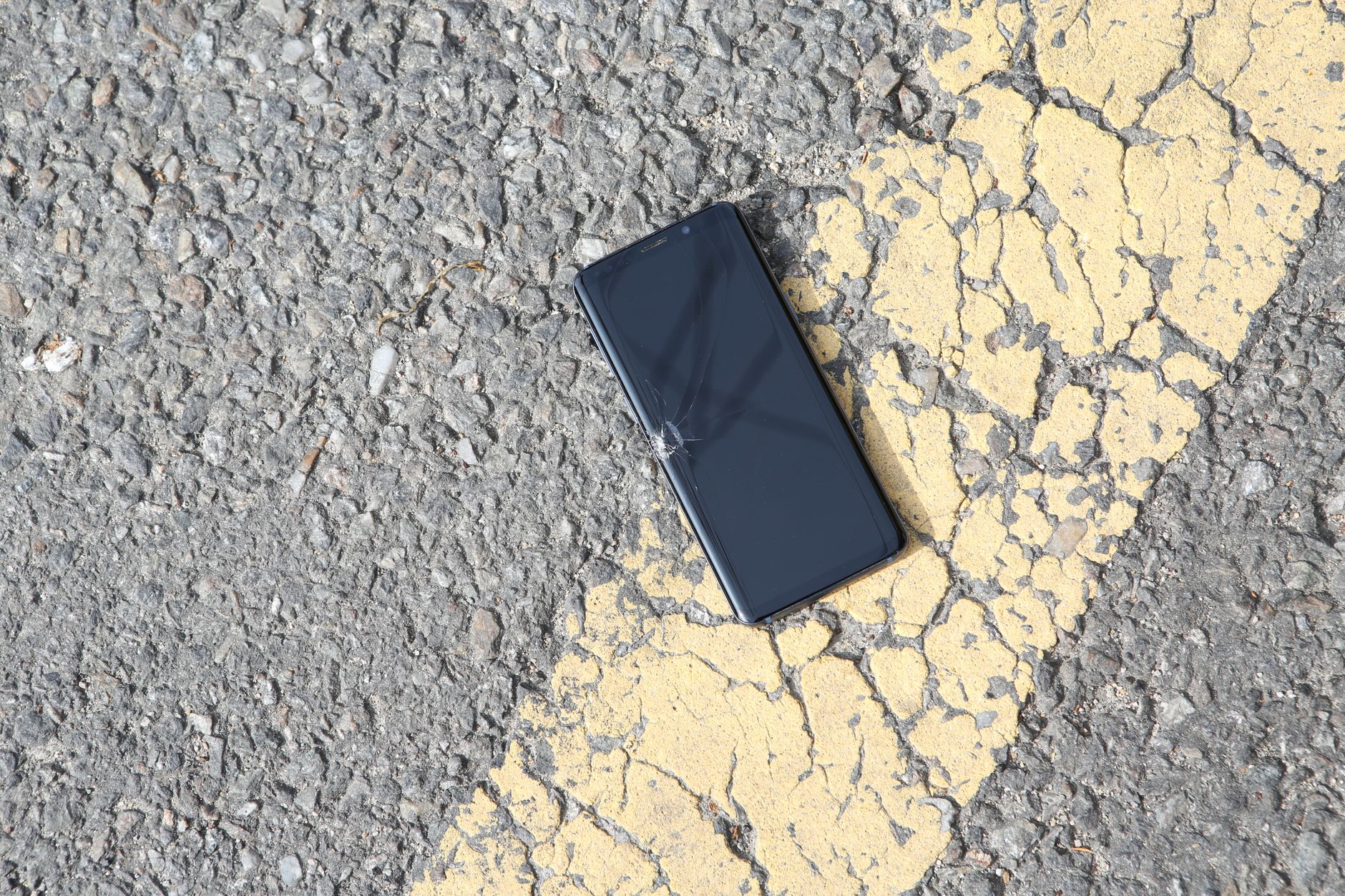
Value surges tenfold; cracked‑screen Android phones in drawers become hot commodities
Scrap phones become sudden cash
Old Android handsets that wouldn't even power on this spring have turned into hot commodities. It has been reported that social platforms across China are now informal marketplaces: a single photo and “selling phone” can attract multiple offers within an hour. Recyclers tell reporters that even phones with shattered screens or seemingly dead batteries are fetching prices five to ten times higher than a year ago, and some sellers say they “didn’t expect broken phones could make money.”
Memory shortage fuels the boom
The surge is driven by a global spike in demand for memory and storage because of the AI boom. According to TrendForce (集邦咨询), spot prices for memory chips have climbed hundreds of percent in recent months, and it has been reported that DRAM and NAND prices hit decade highs in early 2026. SK Hynix (SK海力士) reportedly told investors its inventories are at historic lows and that the market has become a seller’s market as suppliers reallocate capacity toward high‑end HBM for data centers. The downstream effect? Phone makers raised prices, and small repair shops and electronics assemblers began hunting for second‑hand memory on dismantled phones.
Why Android phones win — and Apple loses out
Not all phones are equally valuable. Recyclers say Android brands such as OPPO (欧珀), VIVO (维沃), Huawei (华为) and Redmi (红米) are preferred because their memory chips are soldered as discrete, industry‑standard components that can be desoldered, retested and resold. By contrast, it has been reported that Apple’s iPhone uses a unified memory architecture (UMA) that tightly integrates DRAM with its SoC, making chips difficult to separate and reuse — and therefore far less valuable on the parts market.
Profit, risk and policy angles
Broken phones are being stripped for reusable DRAM, NAND and dozens of recoverable metals, then routed through markets such as Huaqiangbei for resale; typical margins reported by recyclers vary by price band. But observers warn the frenzy may cool: as pricing and margins become public, more entrants raise acquisition costs and thin profits. There is also a geopolitical backdrop — concentration of memory production among Samsung (三星), SK Hynix (SK海力士) and Micron (美光), along with export controls and policy shifts that prioritize high‑end AI memory, have amplified shortages — and indirectly powered this cottage industry in phone recycling. The current spike may be temporary, but it highlights how AI’s demand shock can reshape even the fate of cracked screens in a drawer.