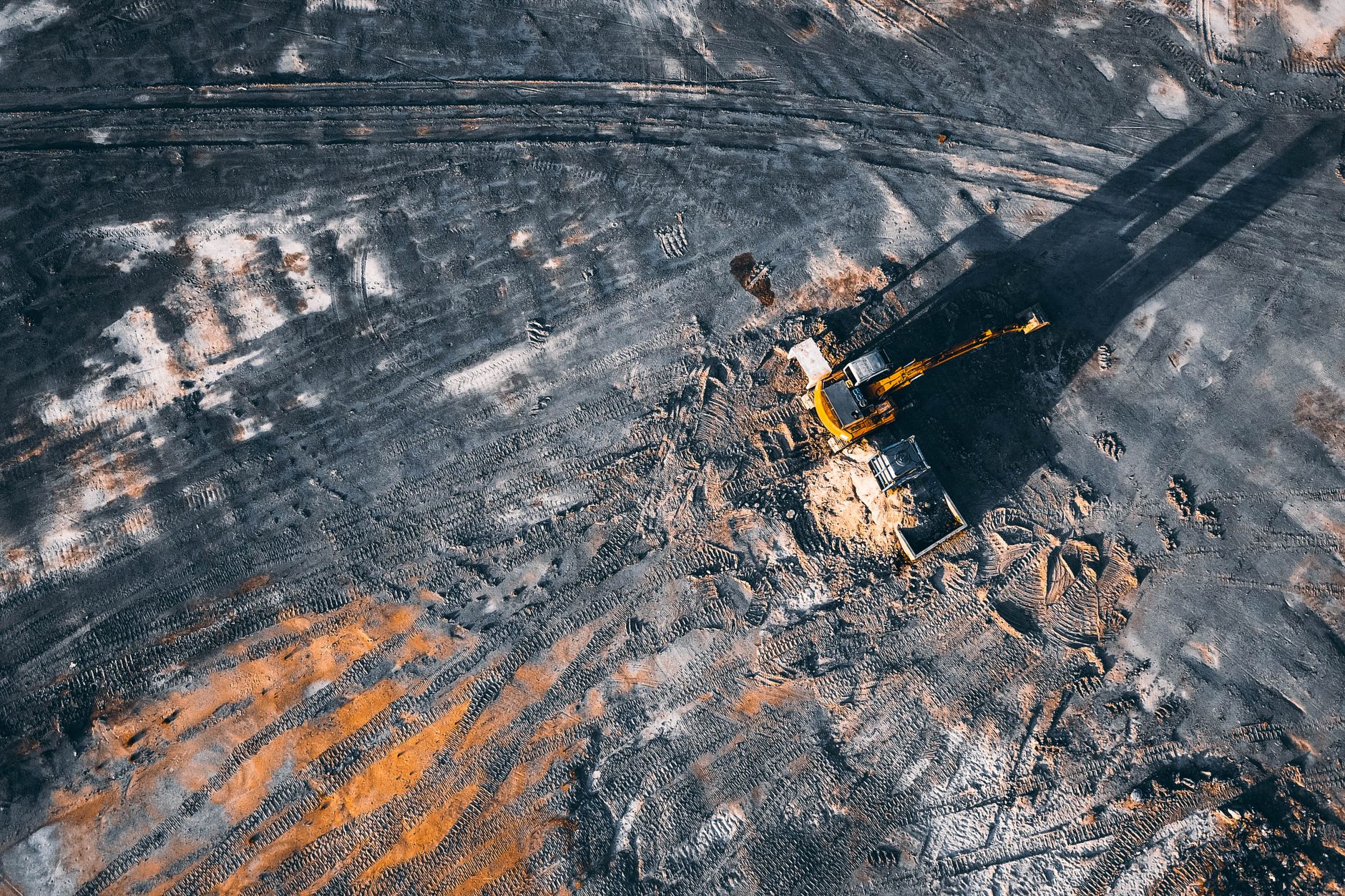
Can China turn the tide in this big pit in Cuba?
China is reportedly stepping into a large, politically sensitive environmental and engineering challenge in Cuba — a literal "big pit" left by intensive resource extraction — and asking whether its firms can convert a liability into strategic leverage. It has been reported that Beijing is preparing to offer heavy engineering, financing and technical know‑how to stabilize the site, remediate environmental damage and restart economic activity around it. But success is far from guaranteed.
Background: economics, engineering and environmental risk
Cuba’s long‑standing economic strain and limited access to Western capital make Chinese partners attractive. Beijing has already deepened ties with Havana through trade, infrastructure projects and commodity deals; those ties now appear to be extending to more complex engineering work. Reportedly, Chinese equipment and technical teams would be used for slope stabilization, drainage control and tailings management — tasks that require heavy machinery, geotechnical expertise and long‑term monitoring. For local communities, the stakes are immediate: livelihoods, water safety and environmental restoration.
Geopolitical stakes and the wider picture
This is not only an engineering test. China's involvement in Cuba must be read through a geopolitical lens: the U.S. embargo, longstanding bilateral mistrust and Washington’s growing sensitivity to Beijing’s footprint in the Western Hemisphere all complicate the arithmetic. Could a successful remediation enhance China’s soft power and access to resources? Or will it draw increased scrutiny and political pushback from the United States and its regional partners? It has been reported that any deal will need to balance commercial returns with diplomatic risk.
Ultimately, whether China can "turn the tide" in Cuba depends on finance, engineering competence and politics. Technical solutions exist, but implementation will require transparent contracts, sustained funding and community buy‑in — plus careful navigation of U.S. sensitivities and international norms on environmental remediation. Reportedly, the coming months will reveal whether this is a model for pragmatic cooperation or another flashpoint in great‑power competition.