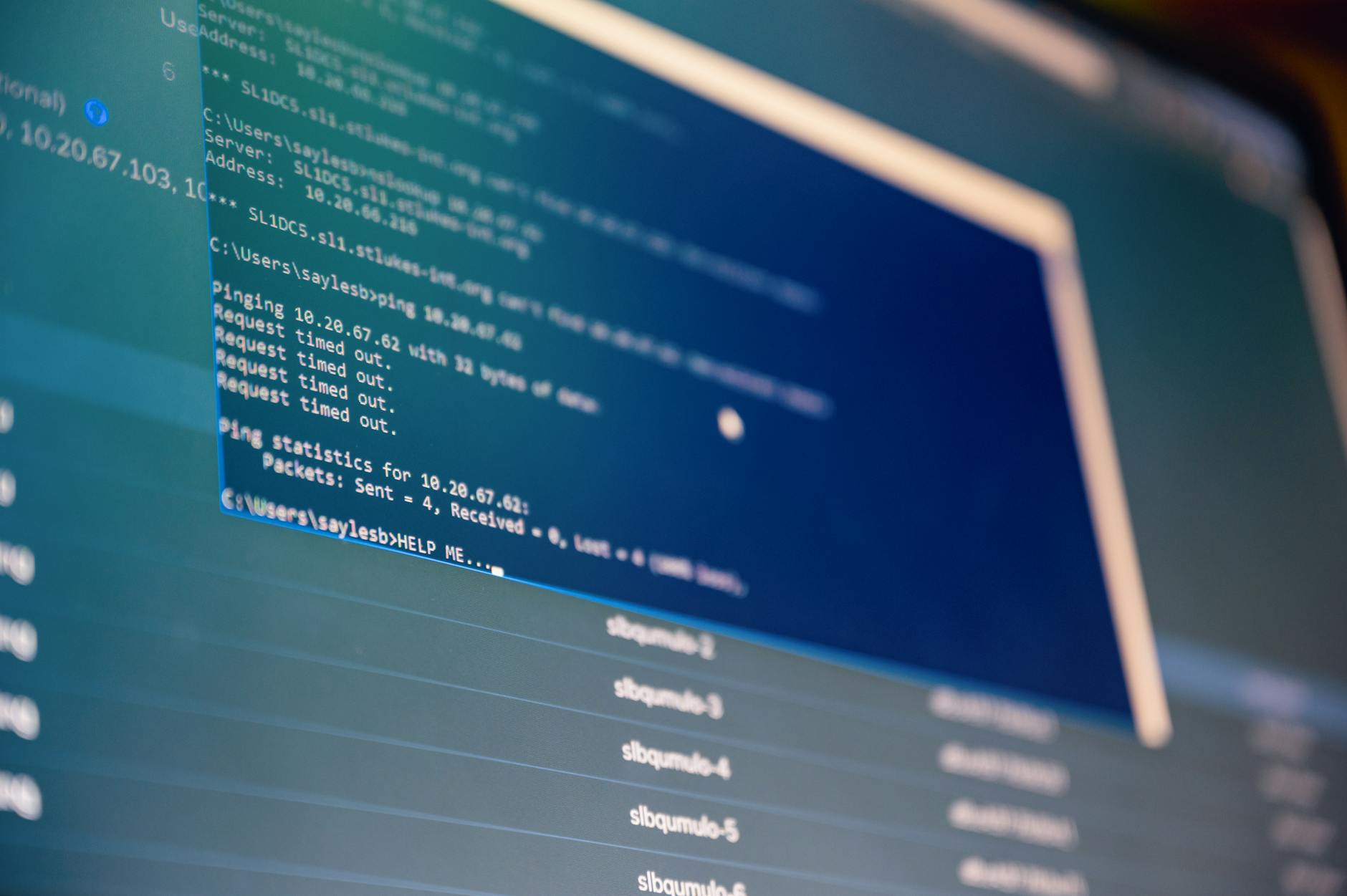
After CLI, Humans and AI Will Go Their Separate Ways
An essay published on Huxiu (虎嗅) and the WeChat account 硅基立场 by Luo Yihang (骆轶航) argues a provocative thesis: the command line interface (CLI) — that old, text‑based way of talking to computers — is reasserting itself as the natural language of human–AI collaboration, and in doing so it will change how humans stay involved with machines. The author sketches a personal arc from a childhood Logo turtle drawing squares to, decades later, watching an AI agent such as Anthropic’s Claude Code execute code‑level commands. The interaction model, he says, is the same: humans express intent as text, machines execute and return results, and the loop repeats.
Three structural strengths that matter
The essay isolates three structural features that make CLI especially suited to the AI era: composability, programmability, and “text as protocol.” Composability means small, single‑purpose tools can be piped together to perform arbitrarily complex tasks — like Lego for software. Programmability turns one‑off command sequences into repeatable automation and agents. And because everything is text, tools interoperate without bespoke integration work: text becomes the lowest‑common‑denominator protocol across systems and models. In short, the CLI is not merely a nostalgic geek toy; it is a UI philosophy that privileges open‑ended, human‑driven orchestration over designer‑locked workflows.
What this means for China and geopolitics
Why should Western readers care? Chinese developers and enterprises still carry a strong terminal culture born of Unix and Linux, and that background predisposes them to build agentized, scriptable workflows around large language models. But access to the most advanced AI stacks is shaped by geopolitics: U.S. export controls, sanctions and broader tech tensions affect the flow of chips, cloud services and some software into China, and so determine which models and tooling developers can plug into their CLIs. Reportedly, many teams in China are stitching together domestic models and international tools where possible, using text‑based glue to avoid brittle integrations.
CLI is both old and new. It offers a minimalist, extensible way to hand agency to software — and to step back. Will humans accept being less present in the loop? Or will we insist on interfaces that keep human judgment front and center? The answer will shape not only developer ergonomics but also who controls the next era of automation.