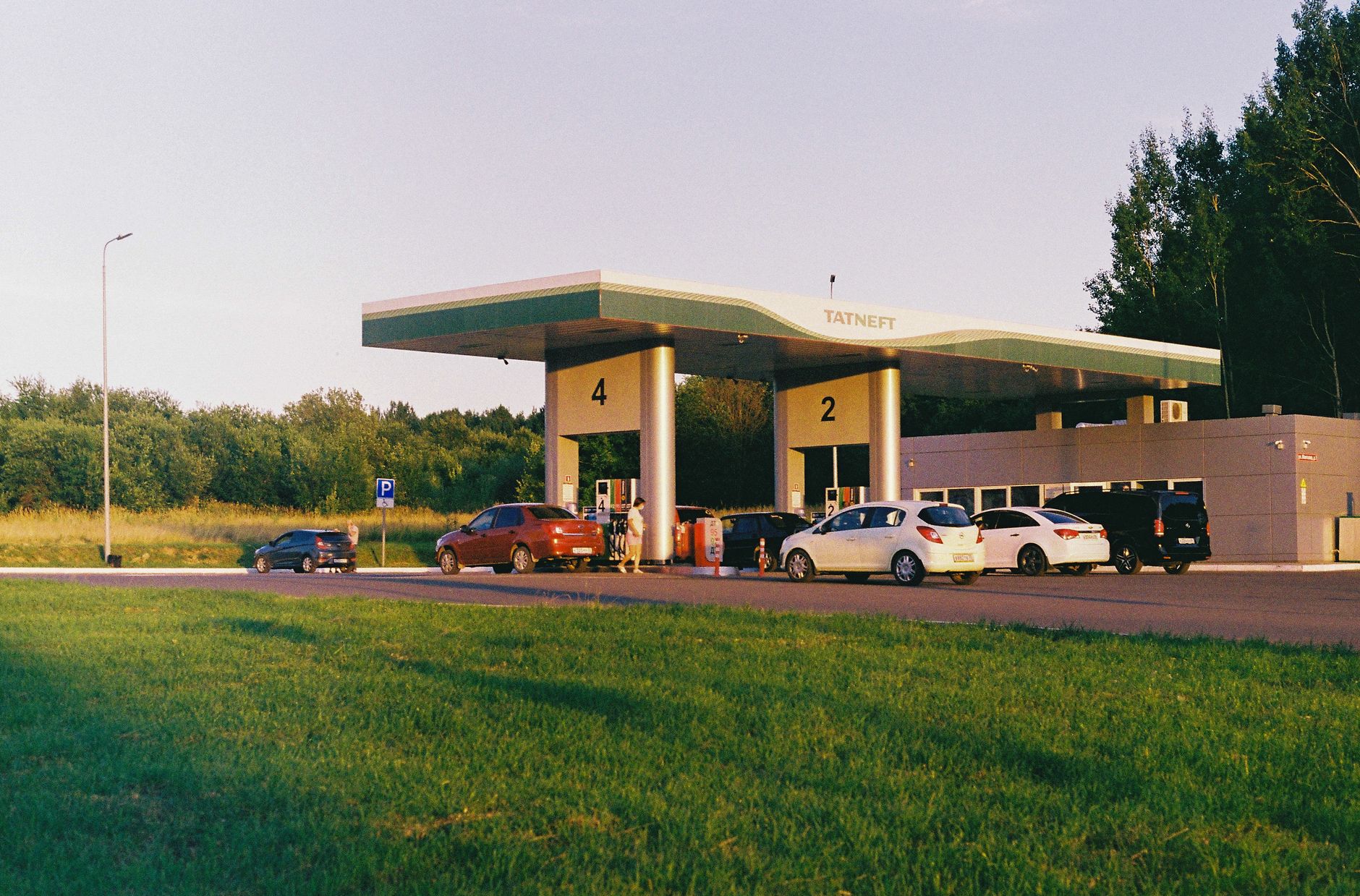
Gas station queues over 100 metres as China braces for biggest fuel-price jump of 2026
The immediate shock: queues and sticker shock
Lines snaked past a Sinopec (中国石化) filling station in central Beijing on the evening of March 22 — more than 100 metres of cars waiting to fill up. The reason is blunt: domestic refined-fuel prices are set to rise sharply at 24:00 on March 23, pushing retail gasoline into a “9 yuan per litre” era. The planned adjustment — about RMB 2,000–2,200 per tonne for petrol and diesel — works out to roughly +RMB 1.7 per litre for 92-octane and +RMB 1.8 per litre for 95-octane. For ordinary drivers, that is real money: a 50‑litre fill adds roughly RMB 85, an SUV with a 70‑litre tank pays more than RMB 120.
Why prices are spiking: supply chokepoints and tight markets
The surge is not just domestic. It comes amid a severe supply squeeze tied to disruptions in the Strait of Hormuz — the narrow chokepoint that handles about a quarter of global oil flows. It has been reported that tanker routings and insurance costs have jumped after military escalations in the region, prompting the International Energy Agency to call the episode “one of the most serious supply chokepoints in global oil-market history.” Major banks also warned that continued disruption could send Brent crude to levels not seen since 2008. It has been reported that former U.S. President Donald Trump issued a 48‑hour ultimatum to Iran, and Iran reportedly refused to reopen the strait; the diplomatic standoff is amplifying market fear. Those external shocks meet longer-term structural constraints — a decade of reduced upstream investment and ongoing OPEC+ production discipline have left the market with little spare capacity.
Domestic squeeze: demand up, refinery throughput down, costs passed on
China’s own demand has rebounded after the Spring Festival and springtime activity — logistics, farm work and construction — while many refineries are on seasonal maintenance, tightening supply further. Airlines have already begun adjusting fares: Juneyao Airlines (吉祥航空), Xiamen Airlines (厦门航空) and Spring Airlines (春秋航空) announced higher fuel surcharges on some international routes. Ride‑hailing drivers are among the most exposed: a driver whose car consumes 8 L/100 km and runs 300 km a day would see daily fuel costs climb by about RMB 40 and monthly outlays rise roughly RMB 1,200 — a 15–20% hit to net income for many. Over a year, a high‑mileage petrol car could see fuel bills exceed RMB 15,000; comparable electric cars, by contrast, would cost only a few thousand yuan a year in electricity at current residential rates — a gap that could accelerate “oil‑to‑electric” switching.
Bigger picture: inflation, consumption and policy questions
Fuel feeds freight, cold chain logistics and last‑mile delivery. Economists estimate that every 10% rise in oil prices lifts CPI by about 0.1–0.2 percentage points and PPI by roughly 0.5 points — an inflationary pulse that shows up in everyday spending. The effect is subtle but real: it shrinks discretionary purchases, nudges down restaurant bills and delays short trips. Will policymakers step in with tax adjustments, subsidies or reserve releases? For now, consumers, drivers and travel businesses are front‑row observers of how global geopolitics and a tight oil market can translate into lengthening queues and thinner wallets at home.