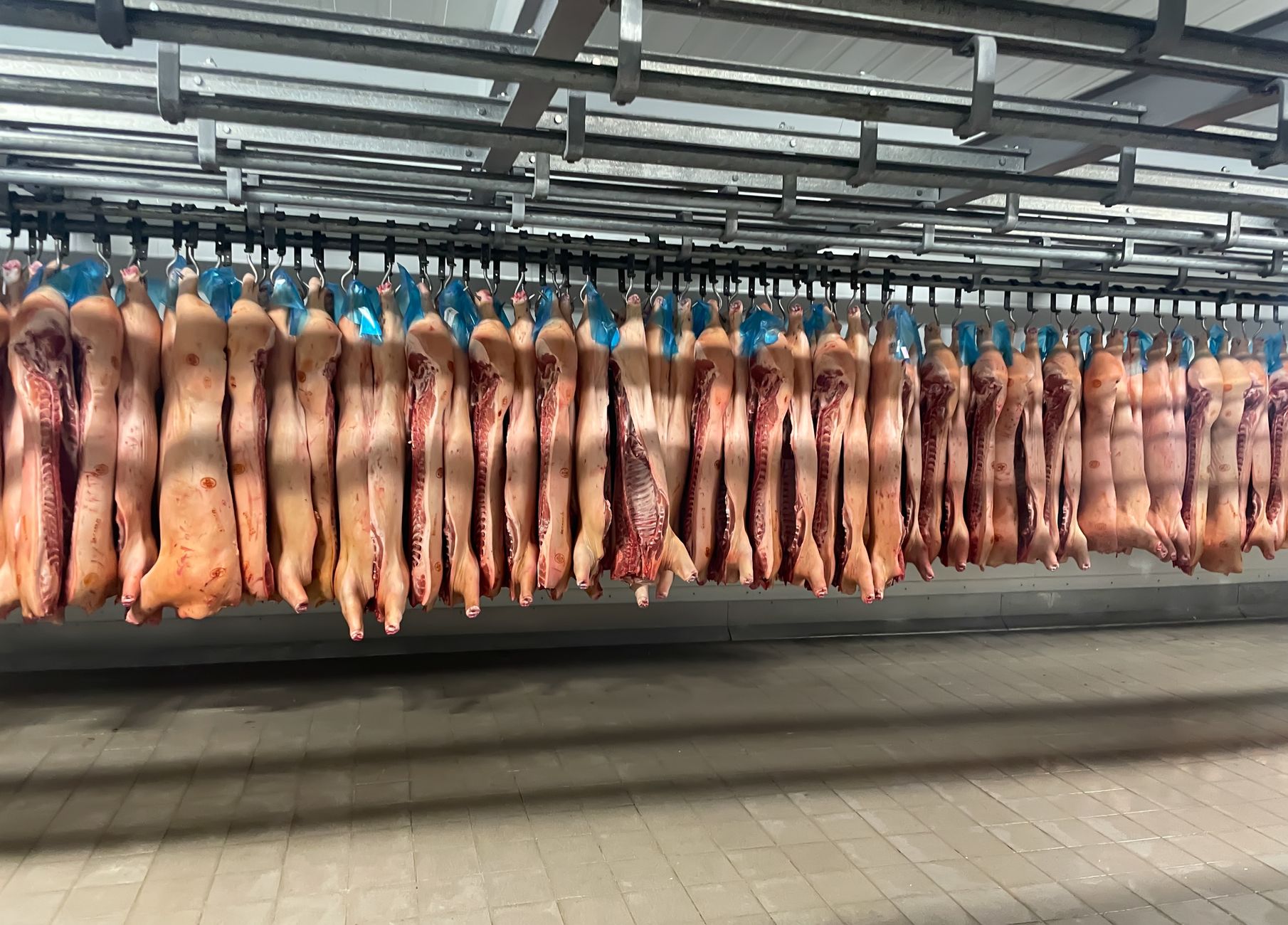
Pork prices 'take a nosedive,' but it's getting increasingly hard to make money
Pork plunges, but the pain isn't evenly shared
China's pork and live-hog prices have fallen sharply since March, yet the relief is not translating into easy profits for food businesses. The Ministry of Agriculture and Rural Affairs (农业农村部) reported the national pork price at 23.04 yuan/kg in the first week of March, down 2.1% from the prior week and marking four consecutive weekly declines; national live-hog prices were 11.89 yuan/kg, down 4.5% and down for five straight weeks. China Swine Network (中国养猪网) monitoring showed the national average for one common commercial hog type had slid to 10.24 yuan/kg by March 20 — roughly 0.30 yuan above the 2018 historic low. Why the drop? Post‑New Year slaughter volumes rose, stockpiling behavior eased and animals moved to market faster, increasing supply even as demand stays uneven; analysts say prices could linger near lows for two to three quarters with only holiday-driven blips upward.
Eggs, vegetables and the other half of the bill
The disinflation is broader than pork. National egg prices fell to 8.81 yuan/kg in early March, and the Ministry's basket of 28 monitored vegetables averaged 5.20 yuan/kg between Feb 20 and Mar 15 — up 6.9% year‑on‑year but down 1.9% versus the recent three‑year average. The latest daily readings showed vegetable averages drifting around 4.86–4.88 yuan/kg as unseasonably warm weather through late winter boosted yields and supply in many regions. So input prices are mixed: some items easing, others holding, but the overall trend is far from a simple windfall for operators.
Three cost mountains keep margins thin
Lower pork prices are welcome, but restaurants and foodservice operators face three persistent cost pressures: rent, labor and the rest of the food bill. Linkshop (联商网) reported a Shanghai mall outlet paying up to 2.2 million yuan in annual rent — translating to a daily break‑even revenue of roughly 12,200 yuan on standard 50% gross margins. Labor investments for improved service and front‑of‑house experience have also risen as operators chase higher per‑customer spend. It has been reported that some brands are quietly substituting cheaper ingredients to protect margins; anecdotal accounts suggest consumers are receiving lower‑grade proteins at the same menu price.
Survival by precision, not price
The market is already selecting for operators who "do the math." Nanchengxiang (南城香) — whose founder Wang Guoyu said the chain’s 2025 net profit rose 101% despite a near 1% drop in sales — illustrates the shift: tighter staff redeployments, menu pruning toward high‑margin single dishes, and investment in centralized kitchens and automated cooking equipment. Saliya (萨利亚) (萨利亚) and other low‑cost chains rely on standardized supply chains, streamlined menus and multi‑skilled staff to preserve margins. After the African swine fever shocks earlier in the decade and amid continuing trade and import policy levers that can influence supply, the key question for China's restaurant sector is no longer whether raw materials get cheaper, but whether operators can squeeze value from every yuan of cost.