McDonald’s “Good Friend” Lamb Weston Draws Fire from Activist “Barbarians”
Activist pressure on a fry giant
It has been reported that activist investor Starboard Value has built a significant stake in Lamb Weston and is pressing the frozen‑potato supplier to accelerate cost cuts and strategic changes — including reportedly urging the sale of its Asia‑Pacific business. Why target Lamb Weston? Activists say the company’s stock is undervalued and that carving up or reshaping international operations could unlock shareholder value.
A familiar brand behind an unfamiliar name
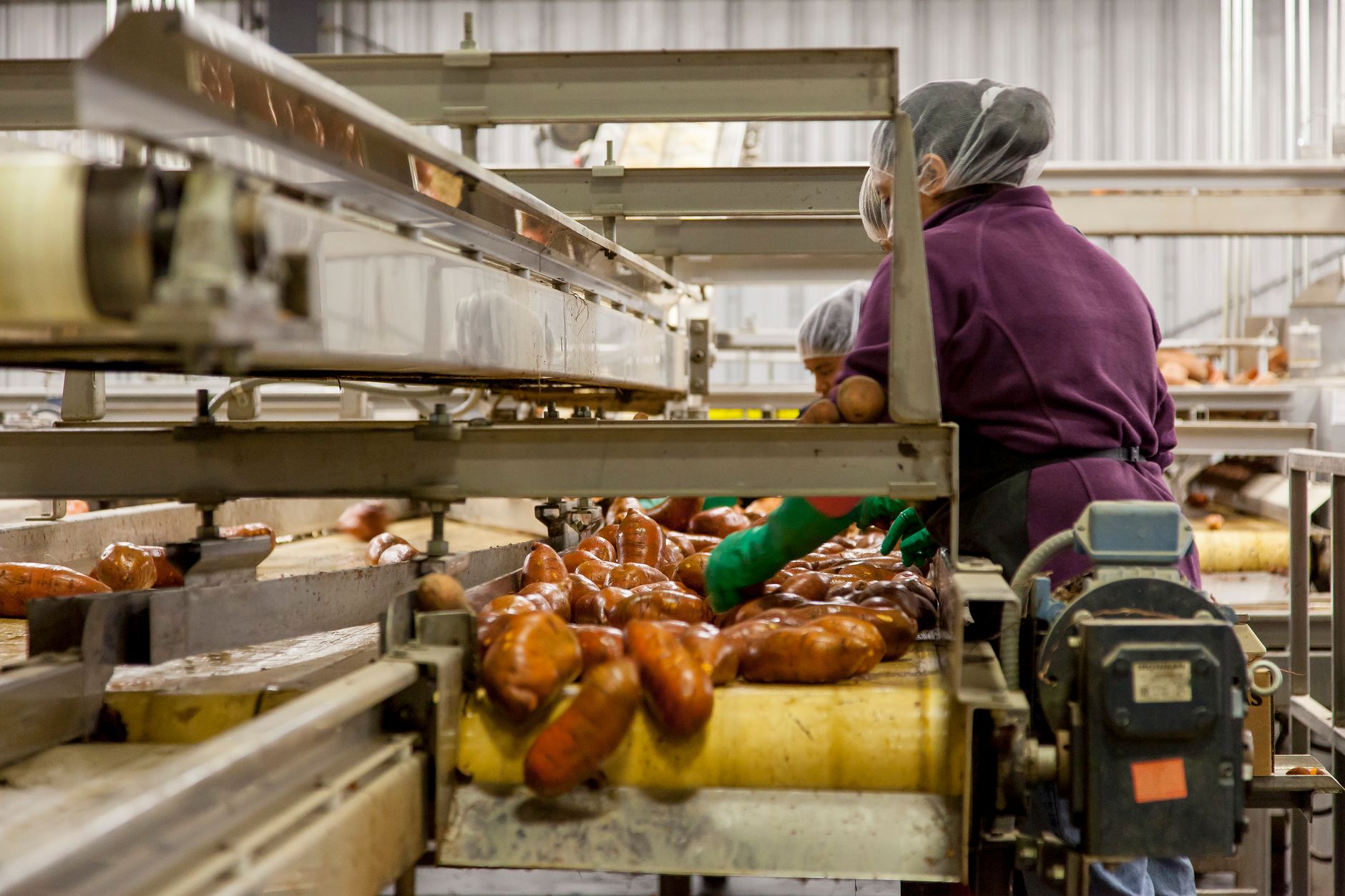
Lamb Weston is one of the world's leading processors of frozen potatoes and a major supplier of fries to fast‑food chains such as McDonald’s and KFC; many customers in China will recognize the product even if they don’t know the name. The company, founded in 1950, reports annual revenue in excess of RMB 45 billion (roughly USD 6 billion) and operates factories in places including Harbin, Ningxia and Inner Mongolia. Reportedly, 13–15% of its sales come directly from McDonald’s, a relationship that helped define the industry’s “golden‑and‑crispy” standard.
From Jana to Starboard: activists reshaping food suppliers
This is not Lamb Weston’s first brush with activists. Jana Partners previously forced board and management changes after pushing for asset sales and restructuring; the company subsequently launched a “Focus to Win” strategy and named former Budweiser APAC executive Yang Ke (杨克) as executive chairman. It has been reported that Starboard’s approach would lean more toward operational overhauls in the model it used at other food companies — but the activist playbook increasingly includes board fights, divestitures and management incentive changes tied to stock price recovery.
Part of a wider re‑pricing of consumer assets
The Lamb Weston episode sits inside a broader wave of disposals and investor relocations across the food and beverage sector. It has been reported that Blue Bottle Coffee (蓝瓶咖啡) and tea chain Gong Cha (贡茶) are among brands or assets being shopped, while Cargill sold its Chinese poultry business to local private equity. Amid slowing growth, rising private‑equity exit schedules and U.S.‑China trade frictions that complicate international operations, buyers and activists are reshaping who owns the pipes that feed global fast food. Who wins? Shareholders may — if activists can balance short‑term value extraction with the long‑term demands of a complex, geopolitically sensitive supply chain.