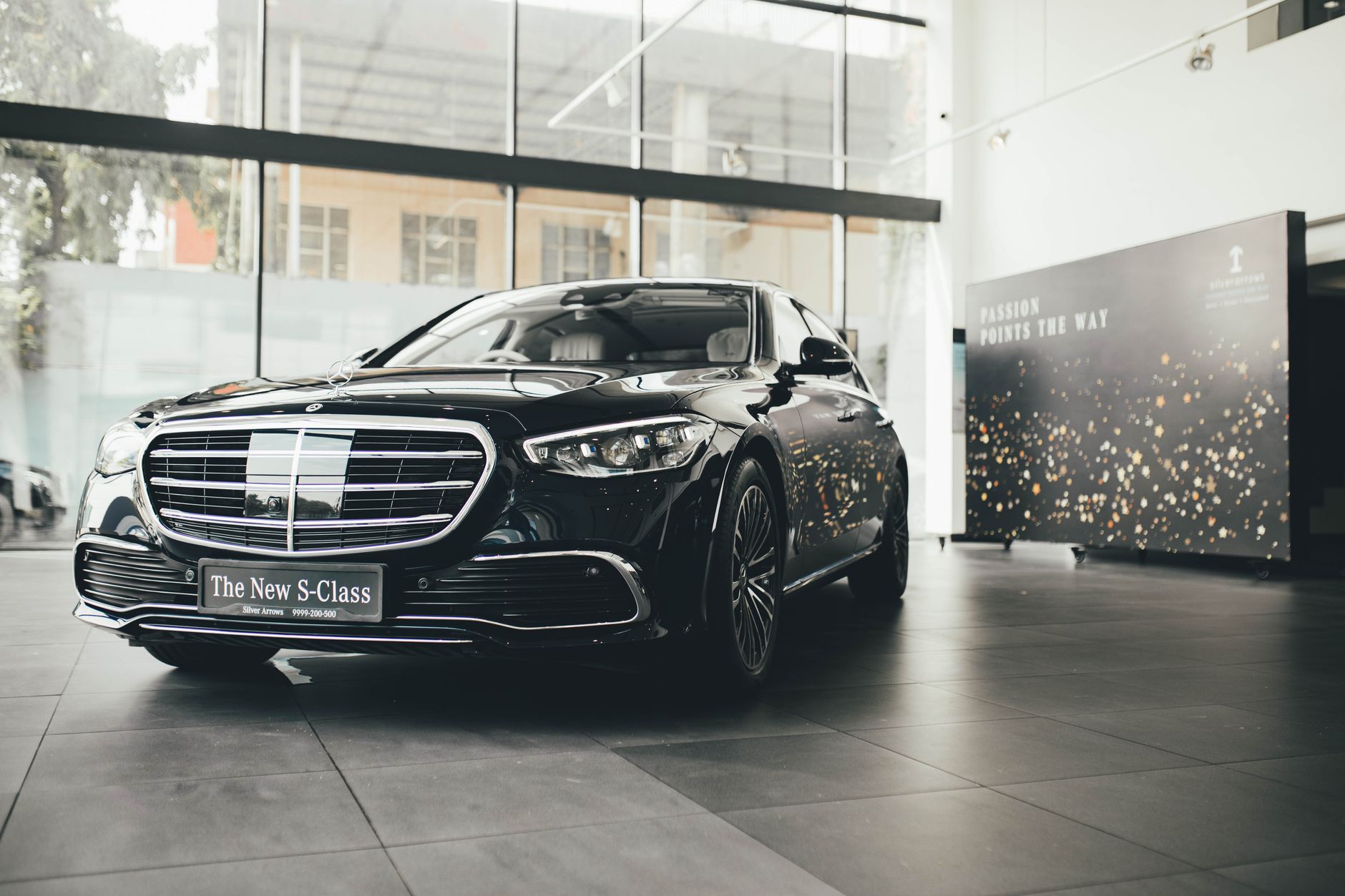
From 'duel of two champions' to 'battle of hundreds': the ceiling of the 9‑series luxury market has been broken
Market shift: the old guard challenged
Once largely a duel between traditional flagships — think Mercedes-Benz S‑Class and BMW 7 Series — the top-tier "9‑series" luxury segment in China is no longer a narrow contest. The ceiling has been broken. What was a two‑horse race has opened into a crowded battlefield as dozens of new models and marques chase buyers who want size, tech and status in one package.
Chinese challengers multiply
Domestic names are leading the charge. Hongqi (红旗), BYD (比亚迪), Nio (蔚来), Xpeng (小鹏) and Li Auto (理想) have pushed into the space with long‑wheelbase sedans and electric flagships that aim to match or out‑feature imported rivals. Zeekr (极氪) and other newer brands are adding high‑tech interiors, battery chemistry advances and smart cockpits to the formula. For Western readers: China is the world’s largest auto market, and local firms have moved from catching up on quality to directly competing on luxury and technology — at price points that fragment the market into many sub‑tiers.
Geopolitics, supply chains and what comes next
This transformation is unfolding against a backdrop of US‑China tensions and export controls on advanced semiconductors and other components. It has been reported that these pressures accelerated Chinese automakers’ investments in localization and vertical integration, helping them field competitive flagship models faster than many expected. The result: incumbents face margin pressure, faster product cycles and a softer line between premium and super‑premium. Will consolidation follow, or will the “battle of hundreds” become the new normal for luxury car buyers in China? Industry watchers say both outcomes are possible — and the global luxury map may look very different in a few years.