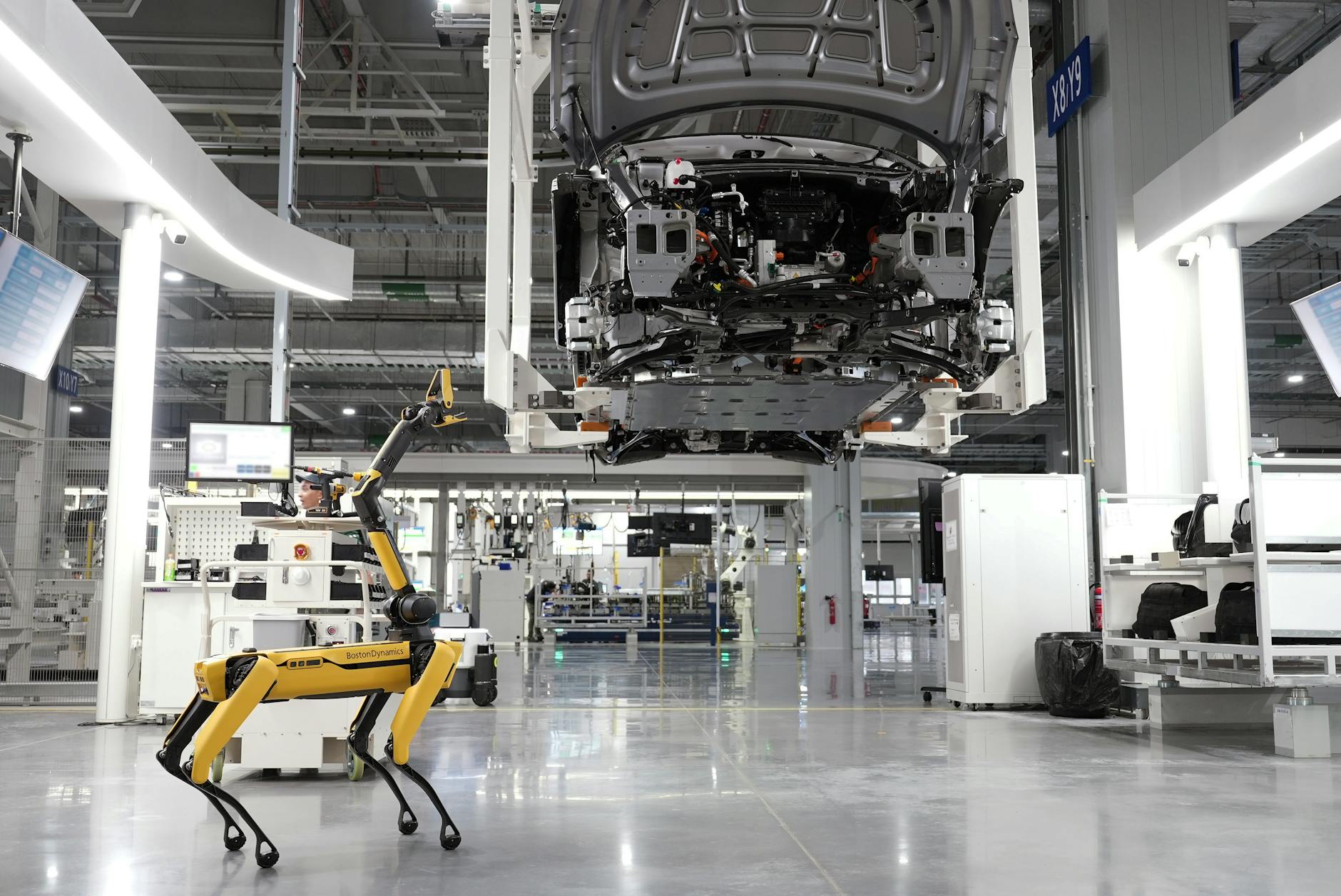
The strongest "intern" in the automotive industry is now on duty
It has been reported that a new class of AI assistant—dubbed by Chinese media as the industry’s “strongest intern”—is being deployed inside automakers and suppliers to accelerate design, testing and software development. Huxiu reported the emergence of these large-model-powered tools that sit alongside engineers, drafting specifications, diagnosing software faults and automating routine simulation tasks. The pitch is simple: speed up development, cut costs, and free senior engineers for higher‑value work. But will an “intern” really change how cars are built?
What the "intern" does and who’s behind it
According to the reporting, the intern is not a single product from one vendor but a set of generative-AI assistants built into engineering workflows and supplier platforms. Chinese AI and cloud players such as Baidu (百度), Huawei (华为) and Alibaba (阿里巴巴) — among others — have been actively positioning large language and multimodal models as tools for industries including automotive. Reportedly, these assistants can read design documents, suggest code patches, generate test cases, and even draft regulatory filings — tasks that used to require junior engineers or months of manual effort.
Why Western readers should care
Automotive value chains are global. If Chinese automakers and suppliers rapidly adopt AI to compress development cycles, they will compete on time-to-market and software quality as much as on hardware cost. That has implications for foreign OEMs and suppliers who face a more automated, faster-moving set of competitors. There is also a geopolitical layer: U.S. and allied export controls on advanced chips and certain AI technologies shape which tools are available where, and national industrial strategies are pushing Chinese firms to build domestic AI stacks that reduce reliance on Western suppliers.
Trade-offs and the human factor
The promises are tangible — higher productivity, fewer trivial errors, and faster iteration. The risks are familiar too: model hallucinations in safety‑critical code, IP and data‑sovereignty concerns, and workforce disruption for junior roles long considered stepping stones. Regulators and companies will need to decide how much autonomy to give these assistants in a sector where mistakes can cost lives. For now, the “intern” looks powerful. But will it be a productivity multiplier or a new source of risk? The answer will shape the next decade of carmaking.