Gold and silver plummet as Middle East shock collides with hawkish central banks
Market shock: metals dive hard
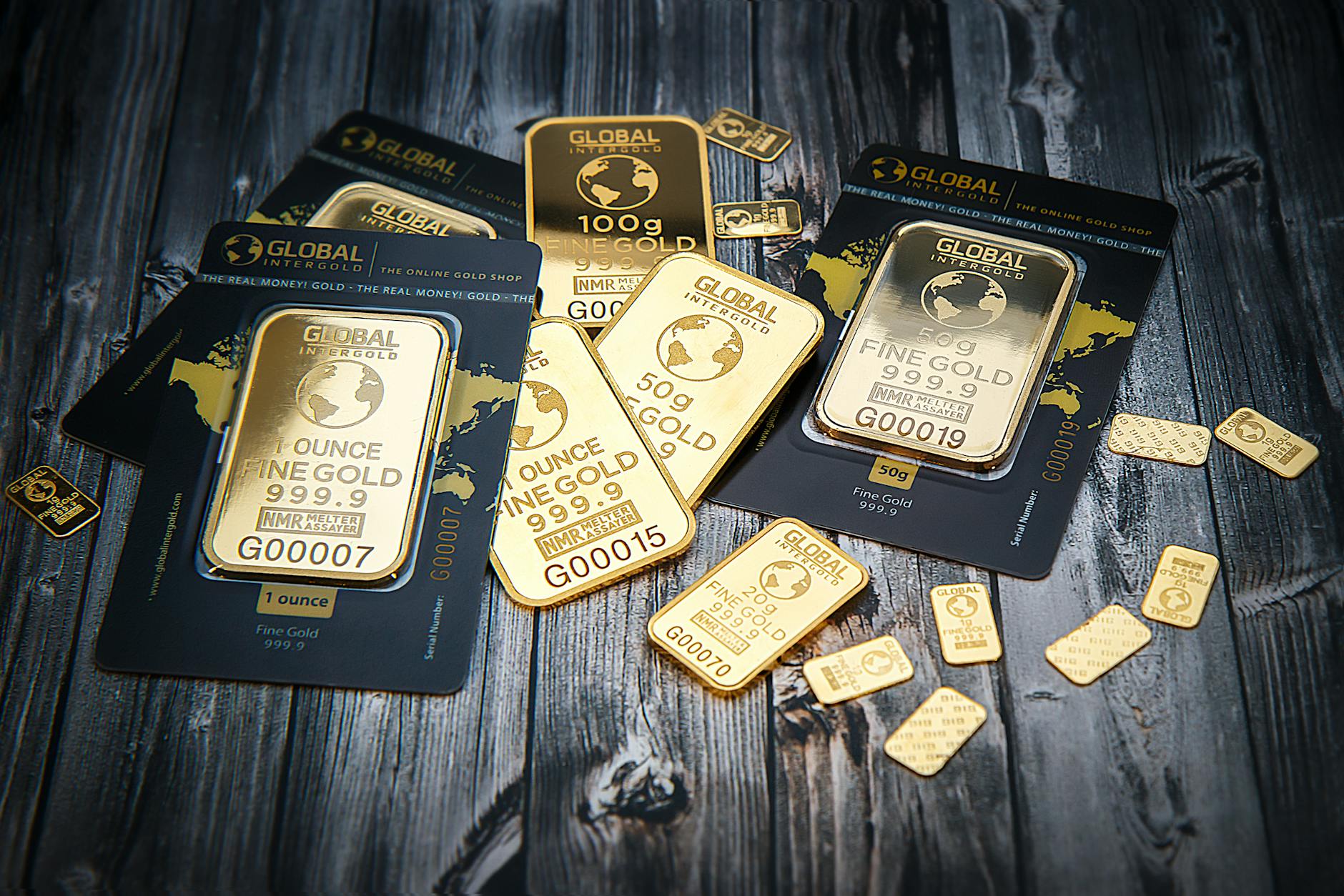
Precious and base metals plunged in European trading on Thursday, with moves that stunned markets. Spot gold briefly tumbled more than 6%, reportedly nearing the $4,500/oz mark; spot silver fell about 12% to break below $66; platinum slid 6.8% to $1,886 and palladium lost 4.1% to $1,415. On the London Metal Exchange, aluminum plunged over 8% — its largest one-day drop since 2018 — while tin, nickel and copper each fell between roughly 4% and 8%.
Why did this happen? Energy shock meets rate risk
The immediate spark was a renewed Middle East escalation that pushed Brent crude above $110/bbl and rekindled inflation concerns. Reportedly, the moves followed an Israeli strike on Iran’s South Pars gas field and subsequent Iranian counter-attacks on regional energy facilities. It has been reported that the U.S. administration is considering sending thousands more troops to the region as the conflict risks entering a new phase. But why did safe-haven metals fall as geopolitics worsened? Because higher energy prices and rising inflation have pushed markets to price in a longer period of elevated interest rates — a dynamic that weakens non-yielding assets like gold.
Central bank caution and positioning
Traders reacted to macro data and central bank signals as much as to geopolitics. After last week’s U.S. initial jobless claims, markets largely stopped expecting a Fed cut in 2026, and bets on further ECB hikes rose — traders put the chance of another ECB move this year at about 75%. TD Securities’ commodities strategist Daniel Ghali said gold’s role as an institutional portfolio holding — driven last year by a “currency depreciation trade” — is now undercut, leaving the metal vulnerable in the short term despite a longer-term bullish backdrop.
Flow dynamics: profit-taking, dollar and leverage
Analysts point to profit-taking, margin pressure and a stronger dollar as aggravating factors. SP Angel noted that after a strong 2025 rally, investors have been locking in gains and reallocating into energy. Netwealth’s Iain Barnes argued that marginal buyers of gold are now financial investors rather than fundamental buyers, and leveraged, financing-sensitive funds are reducing exposure. AJ Bell’s Dan Coatsworth added that a firmer dollar makes gold more expensive for foreign buyers, accelerating the sell-off. Short term? Expect volatility and downside risk. Long term? Geopolitical risk and inflation dynamics will keep markets guessing.