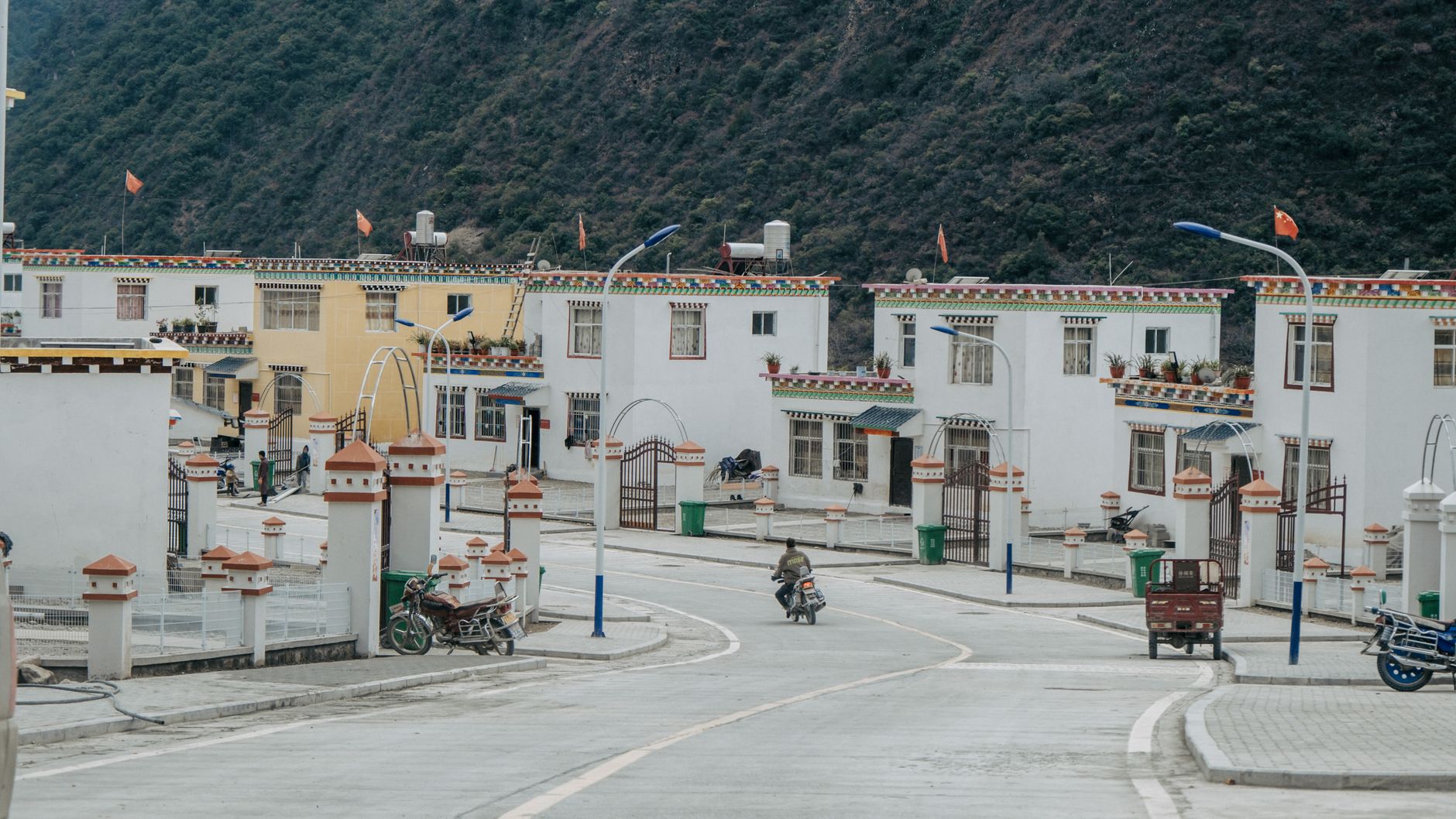
A 3-Kilometer Washboard Road Exposed a Village's Conscience
A rough stretch of road turned into a moral test for a Chinese village, it has been reported that Huxiu (虎嗅) detailed how a 3-kilometre "washboard" road became a focal point for social judgment and collective failure. The article cites a local saying—“在农村,说你穷不算骂人,说你坏还能忍,但说你亏先人——等于宣布你在道德系统里,永久掉线。”—which roughly means: calling someone poor is tolerated, calling them bad is bearable, but saying they have dishonored their ancestors is a permanent moral exile.
What happened
Reportedly, the road’s persistent, bone-jarring corrugations were not only an infrastructure problem but a symptom of deeper disputes over responsibility, payment and face (mianzi). Who maintains public goods when trust frays? Who pays when lineage, reputation and local leadership are at stake? Huxiu describes neighbors weighing the cost of repair against fears of losing social standing, and how that calculus left a public amenity to degrade.
Why it matters
For Western readers unfamiliar with rural China, this is not merely about potholes. Reputation, filial piety and communal honor remain powerful social currencies that can override formal governance and even state-directed programs like rural revitalization. The episode highlights how micro-level social dynamics—shame, pride and the memory of ancestors—shape day-to-day outcomes, from road quality to people’s willingness to cooperate.
The washboard road is a small story with larger implications. It asks a blunt question: can modern infrastructure and social trust advance together when age-old moral judgments still determine who bears the cost?