Qatar's Ras Laffan LNG Hub Hit — A‑shares Rotate to Energy and Defensive Names
What happened
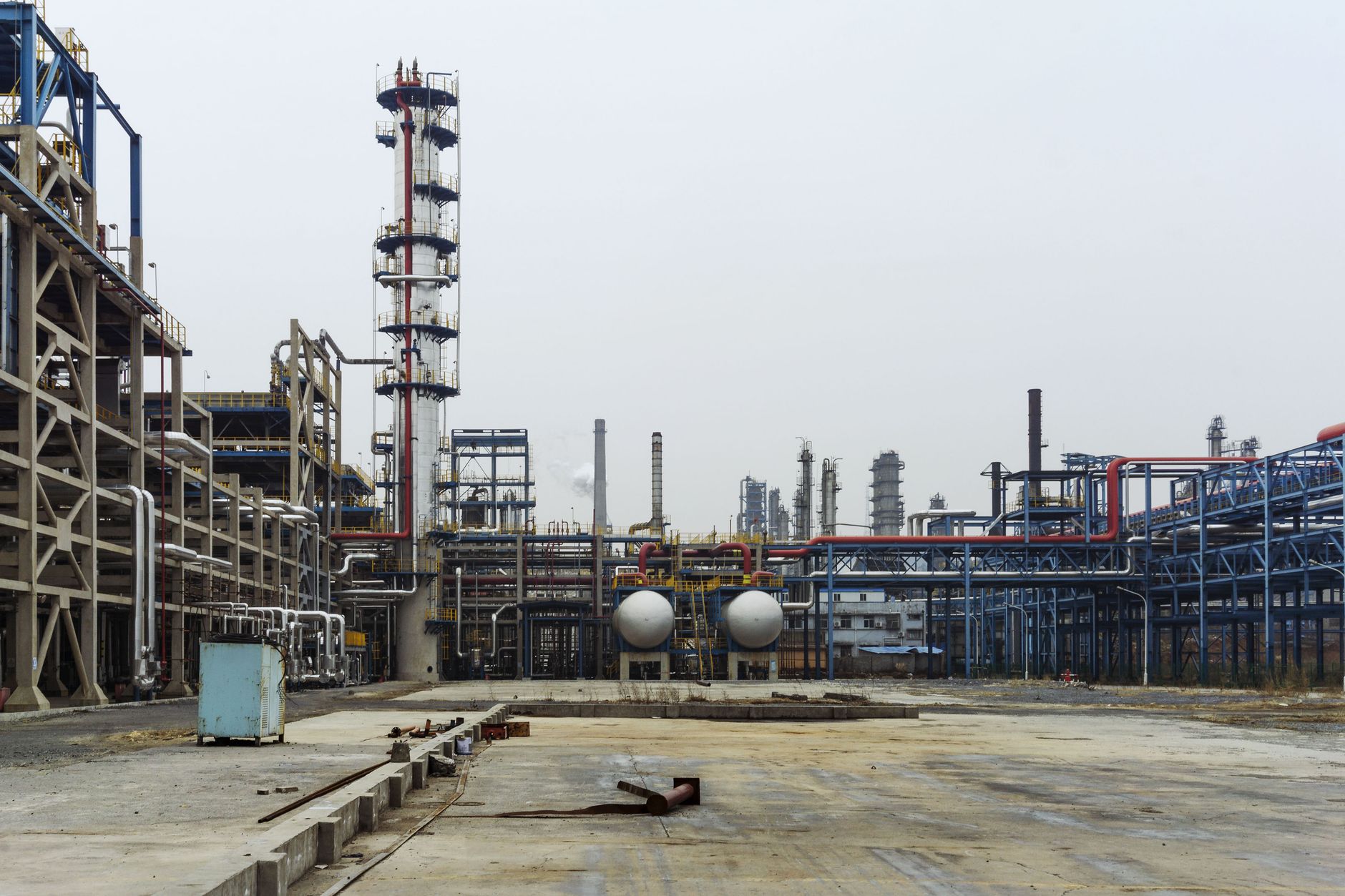
It has been reported that on March 19, 2026 the Ras Laffan Industrial City — the world’s largest liquefied natural gas (LNG) hub in Qatar — was struck by ballistic missiles, triggering fires and widespread structural damage that will delay restart by weeks to months. The facility normally accounts for roughly 20% of global LNG supply and exports heavily to Europe and Asia. The attack sent European TTF gas futures higher by more than 6% in a single day, pushed Brent crude above $111/barrel, and lifted Asian spot LNG prices as markets reassessed near‑term supply risk.
Market reaction in China
Mainland A‑shares did not rally on the energy spike; instead the market suffered a broad, sharp pullback with the three major indexes opening and trading lower — the Shanghai Composite briefly fell below the 4,000 level. Market breadth showed a pronounced divergence: defensive sectors such as oil & gas, coal and power outperformed, while cyclical sectors (non‑ferrous metals, steel, basic chemicals) and growth tech names (electronics, communications) tumbled. Geopolitics is now the dominant driver of market style, with Middle East supply risk reshaping investor positioning overnight.
Which A‑shares stand to benefit?
Investors looking for direct exposure will watch integrated energy names and midstream players that can capture higher spot and term margins; Guanghui Energy (广汇能源) is one onshore beneficiary given its upstream‑to‑downstream footprint. On the broader list: LNG traders, storage and shipping companies, oilfield services and power generators tend to gain when gas tightness forces fuel switching. At the same time, defensive utilities and state‑backed energy holdings often attract flows as risk aversion rises. Which companies exactly win will depend on contract structures, hedging and exposure to Asian versus European flows.
Broader context
This shock intersects with other structural stories in China’s market: it has been reported that Tencent (腾讯控股) flagged a planned doubling of AI‑related investment in 2026, and Litong Electronics (利通电子) is closely tied to Tencent’s compute buildout — yet tech sentiment softened amid the sell‑off. Geopolitically, the attack sharpens trade and sanctions considerations: European and Asian buyers may scramble for alternative suppliers, while any further escalation could prompt longer‑term rerouting of energy flows and sustained premium pricing that favours energy producers and infrastructure owners.