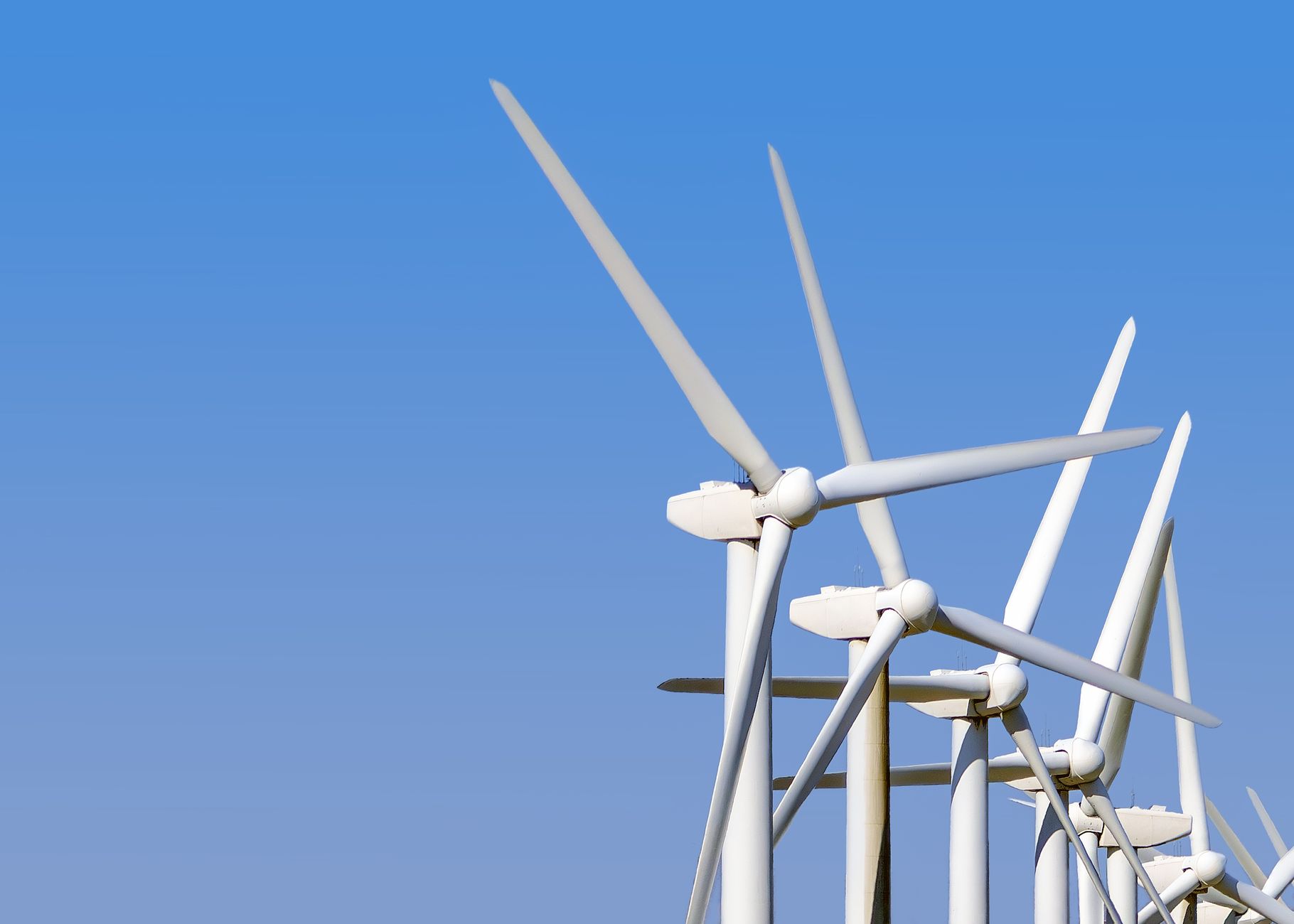
Wind power joins China’s “new four”: 65% export surge signals manufacturing’s next overseas wave
Surge and what it means
China’s General Administration of Customs released January–February trade data showing a 65% year‑on‑year jump in exports of wind turbines and components — a clear signal that wind power has stepped up to join electric vehicles, lithium batteries and photovoltaics as the “new four” of Chinese manufacturing going overseas. The earlier “new three” began to see growth moderate as overseas capacity rolled out and trade barriers mounted. Wind power, by contrast, appears to be in a delivery phase: it has been reported that many framework agreements clinched last year have converted into real bills of lading and shipments.
Why Europe keeps buying
Why are European buyers still signing contracts even as some governments launch anti‑subsidy probes? Because they face a capacity crunch. It has been reported that Europe faces a 9.5 GW offshore shortfall in 2026 and that legacy OEMs such as Siemens‑Gamesa and Vestas have factory backlogs into 2028. That squeeze — plus high local steel and labor costs — helps explain the surge. It has been reported that roughly 40% of the export increase reflects higher billed value for towers and monopiles as European steel and capacity costs rise, while another roughly 25% comes from Chinese firms supplying core electromechanical systems previously made in Europe.
Winners on the supply chain and geopolitical implications
The biggest commercial gains, it has been reported, are accruing to deep‑capacity suppliers rather than final‑assembly brands. Dajin Heavy Industry (大金重工) is reportedly approaching a 30% share in European monopiles; Zhenjiang Co. (振江股份) has order books into 2027 for precision parts; Oriental Cable (东方电缆) is accelerating 525 kV subsea projects; and Mingyang Smart Energy (明阳智能) is winning 18 MW+ offshore platforms. Exports remain geographically dual‑tracked: the EU still accounts for about 40% of the incremental value, while ASEAN and Central Asia are growing fast — 29.4% and over 35% respectively — as lower‑cost Chinese solutions enable new markets to afford clean‑energy buildouts. Policymakers in the West can enact subsidies or net‑zero industrial laws, but it has been reported that recreating China’s dense, low‑cost heavy‑manufacturing ecosystem — the skilled workforce, steelmaking scale and long competition‑driven cost declines — is not a short‑term option. Reportedly, 2026 looks set to be the year Chinese wind firms convert global capacity into both market share and profits.