"Actors" everywhere: China’s beauty marketing is losing its sense of being real
The phenomenon
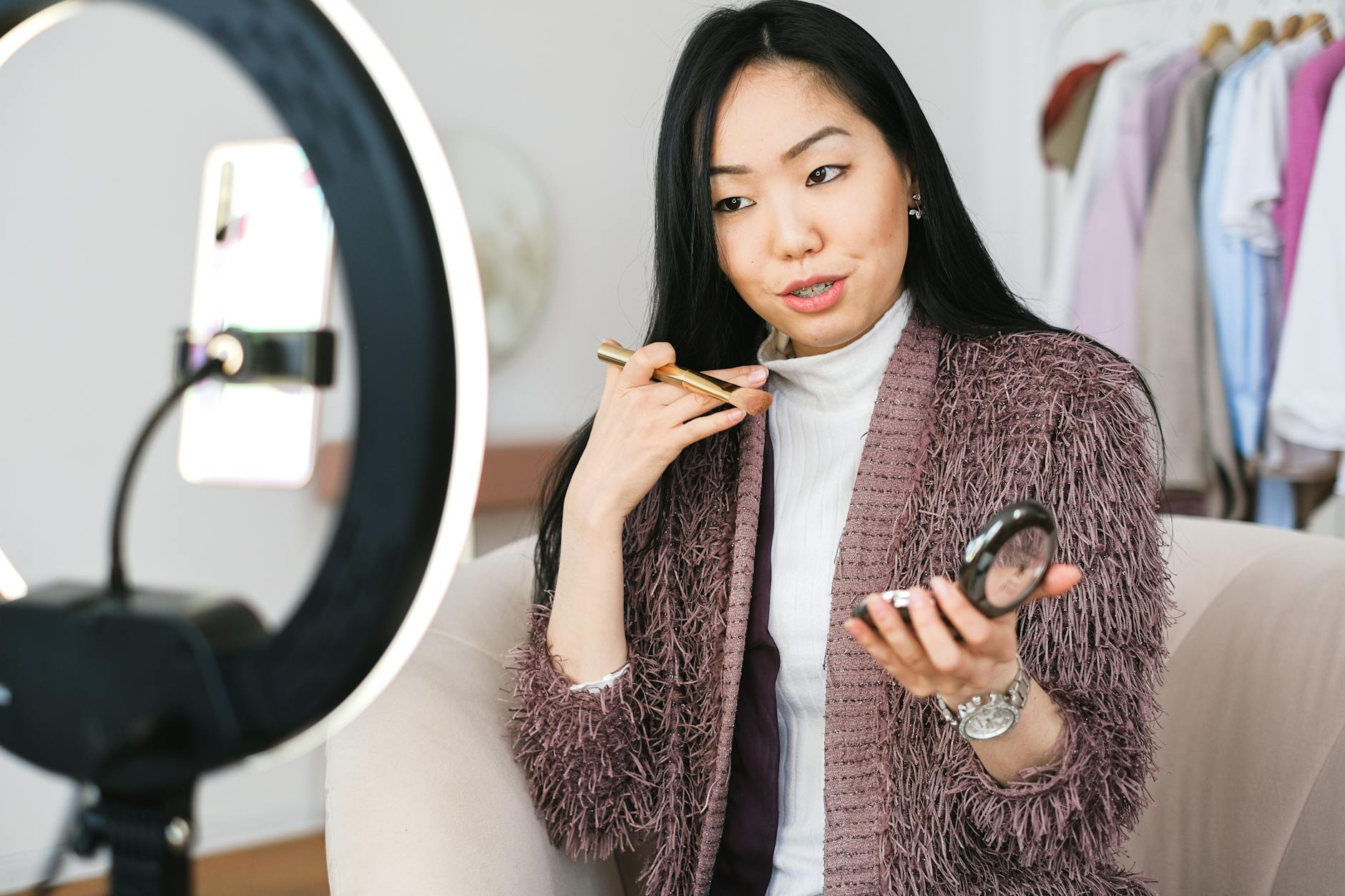
Chinese beauty creators are openly accusing the industry of hollowing out authenticity. In January 2026 beauty vlogger Erliang (二凉) posted a video denouncing brands and MCNs for prioritizing speed and conversions over honest reviews, and for churning out "beauty actors" (美妆演员) who simply read scripts for pay — “I want to see when this tall building will collapse,” he said. The row, echoed by other creators such as Tazi (塔子) and 羚羊leon, comes as platforms like Xiaohongshu (小红书) have become primary battlegrounds for fast-turning, performance-driven campaigns. It has been reported that e‑commerce news site Ebrun (亿邦动力) even paid for a growth course on Xiaohongshu that functions, critics say, as training to mass-produce such actors.
How the factory works
The mechanics are simple and industrial. MCNs — multi-channel networks that manage creators — recruit ordinary faces, teach them to follow tight templates, and sell standardized scripts to brands that prize measurable click‑throughs and conversion metrics over individuality. It has been reported that some campaigns require brands to give more than 50% of sales uplift to influencers and demand rigid copy and staging; dissenting creators find copy replaced wholesale. With turnaround times compressed to days or hours, trial periods shortened, and paid promotion optimized by platform algorithms, creators have little time to test, feel or design original content. The result: videos that look and sound the same. Who benefits? The templates, the ad buys — and sometimes the platforms — but not necessarily consumers or the creators who built trust.
Why this matters
For Western readers unfamiliar with China’s creator economy, this is both a commercial and cultural signal. China’s influencer system has been shaped by heavy platform mediation, intense promotion cycles and, more recently, tighter regulatory scrutiny of advertising and platform behavior; brands are increasingly risk‑averse and budget‑conscious. Reportedly, some MCNs are now redeploying “beauty actors” into better‑paying verticals like automotive and home goods. The downstream effect is clear: homogenized content, exhausted creators, eroded consumer trust and thinner returns for genuinely creative accounts. Can authenticity survive when commerce is engineered to be frictionless and formulaic?
The industry still has dissenters who refuse to become “actors.” But rejecting templated ads carries an economic cost. Unless brands restore time for product testing, agencies value creator voice over mere conversion, and platforms reward originality alongside scale, the answer to “how real is beauty marketing?” is looking increasingly bleak.